
Mission context
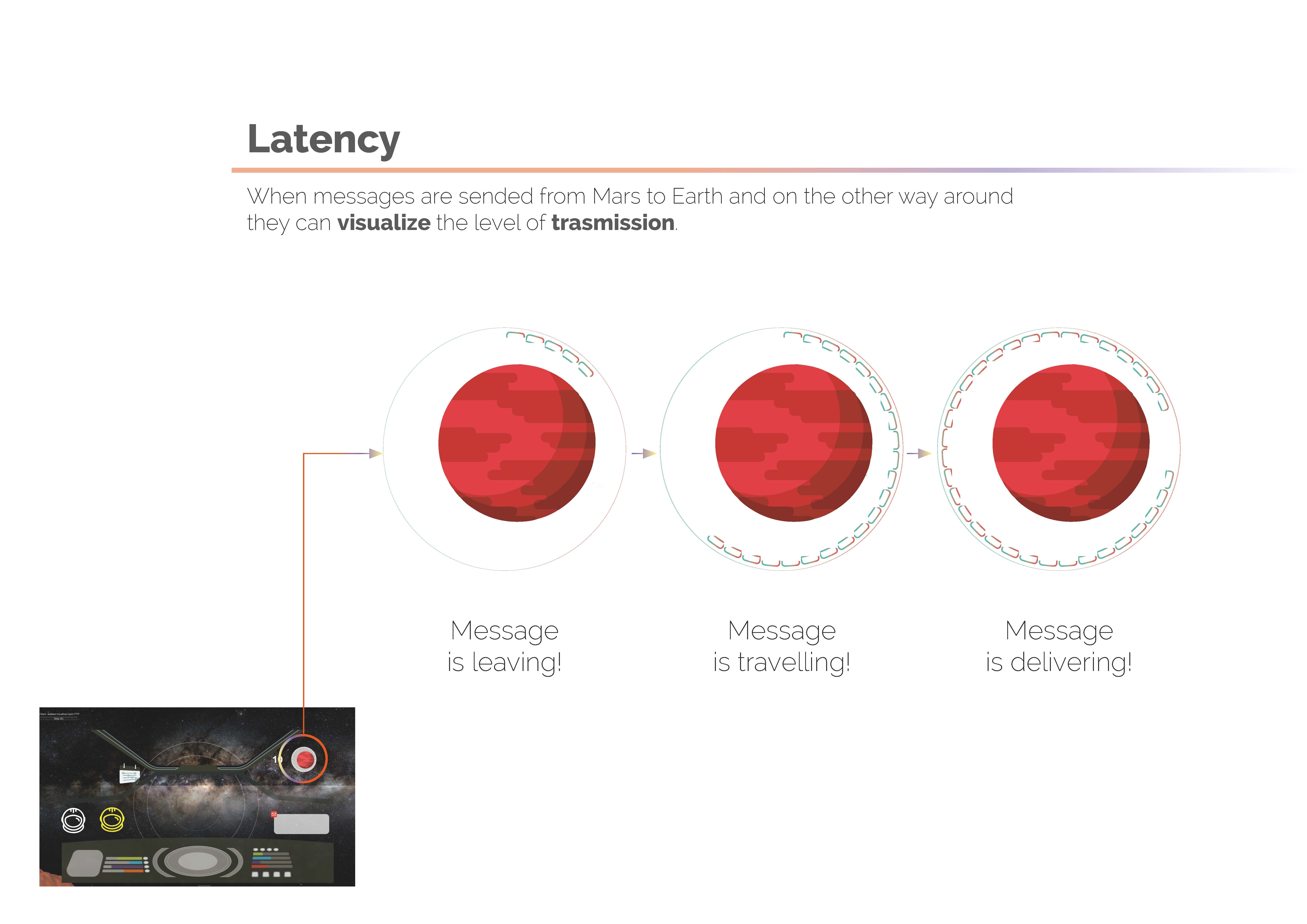
Mars expeditions expose astronauts to relentless environmental extremes and communication delays. Redstorm augments Mars analog missions with a wearable interface so trainees can monitor vitals, environmental data, and mission cues in real time.
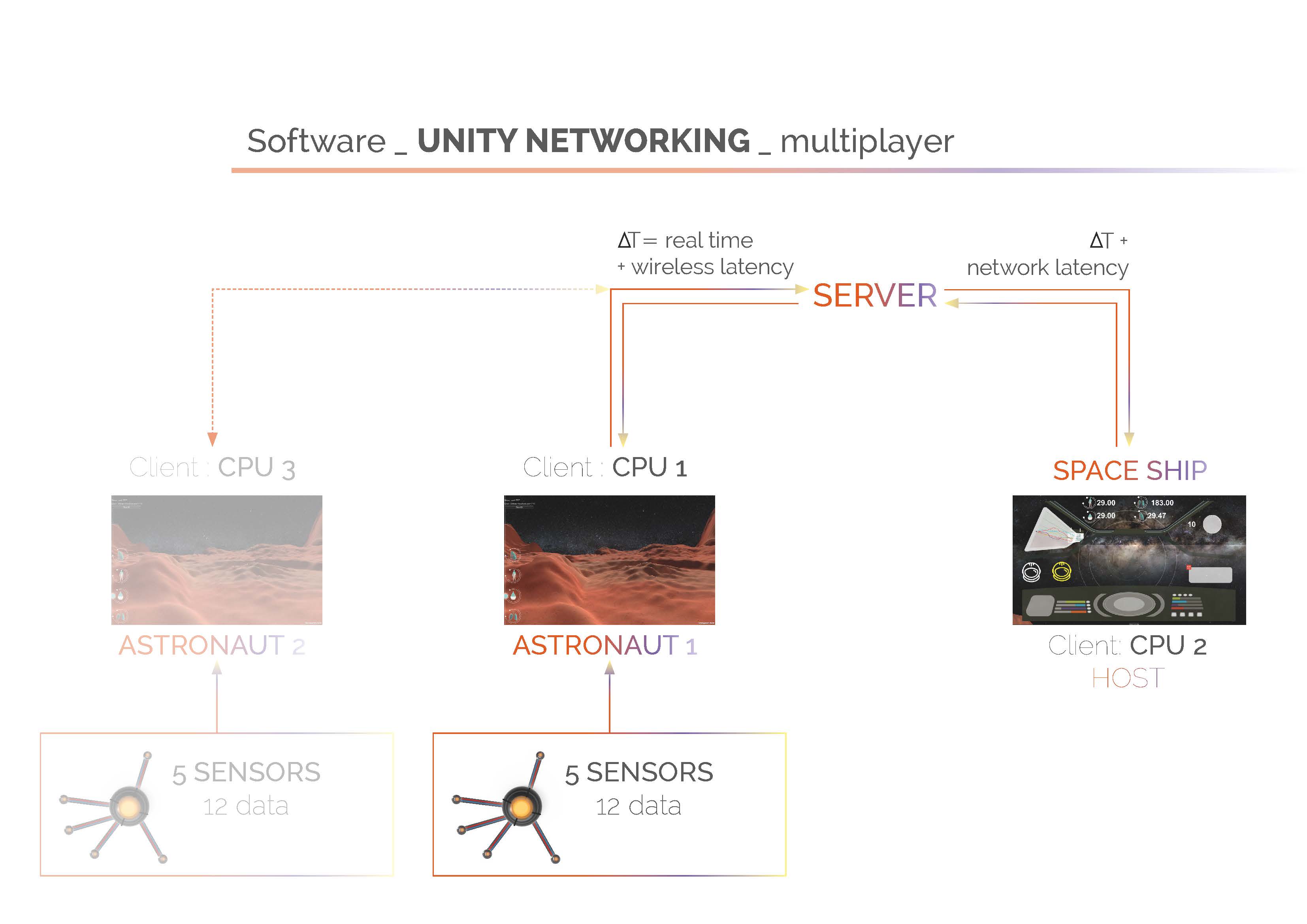
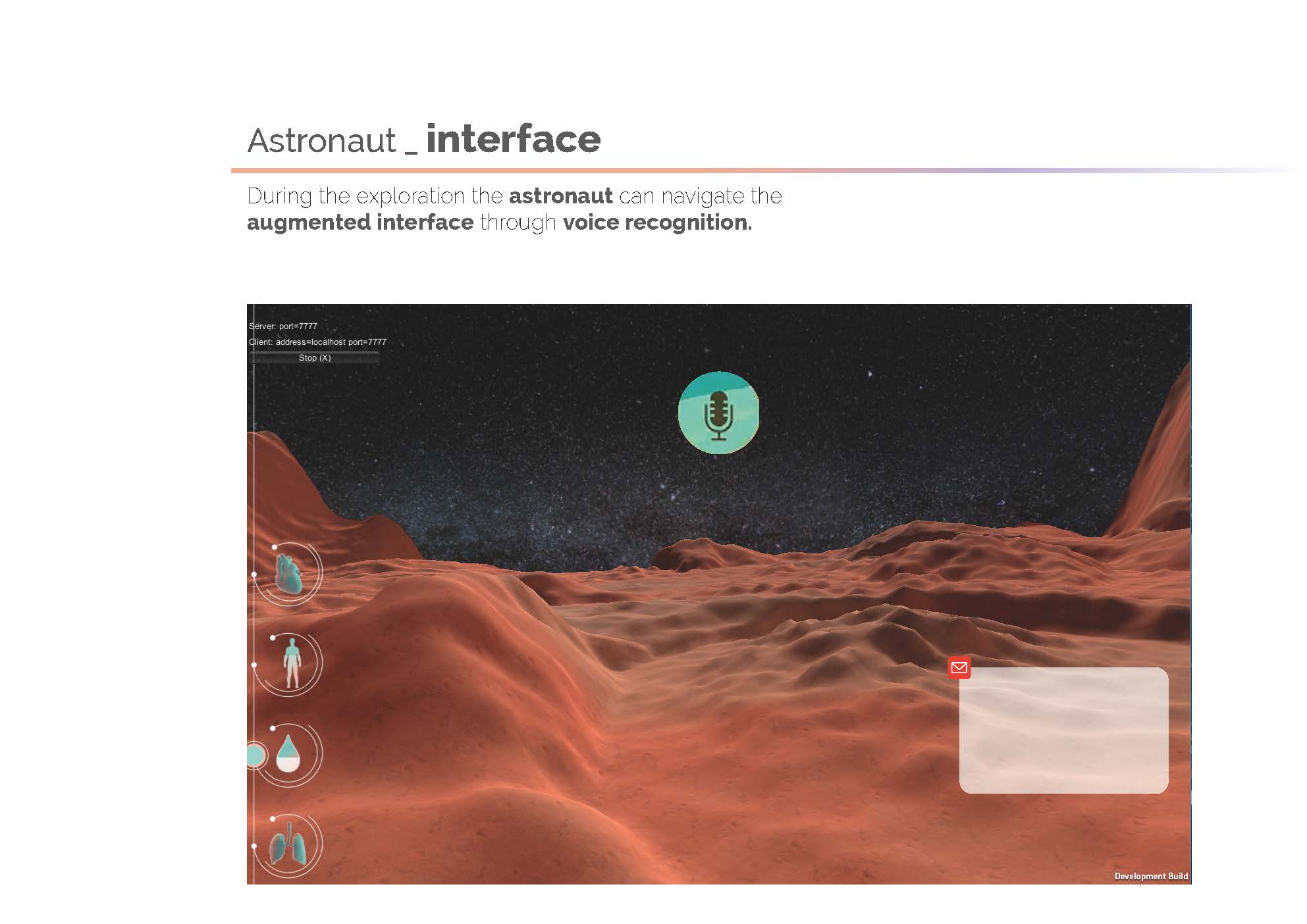
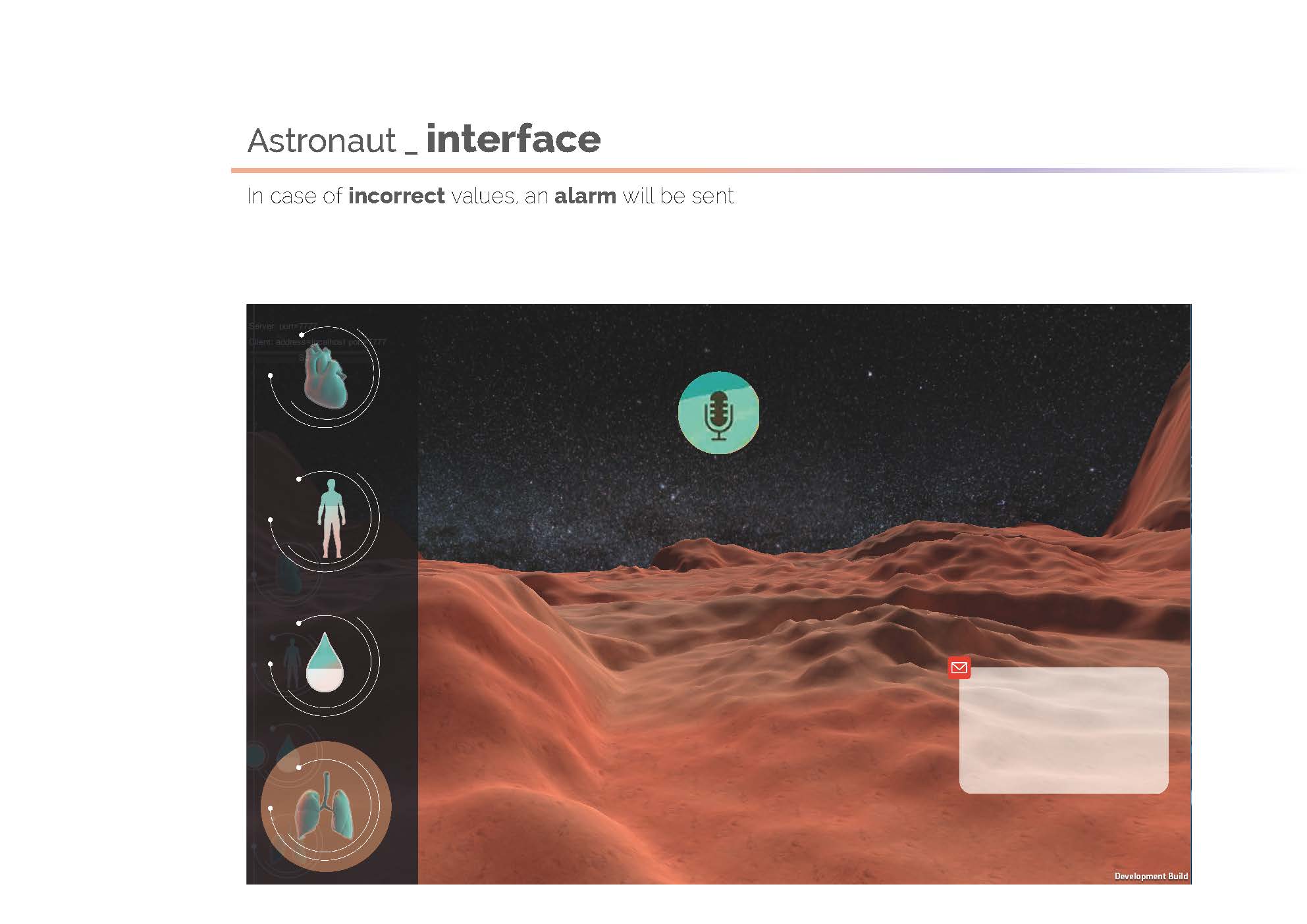
The undersuit runs a network of sensors feeding Unity-built HUDs that simulate helmet UIs. Alerts, biometrics, and voice commands keep mission control synchronized with every move.
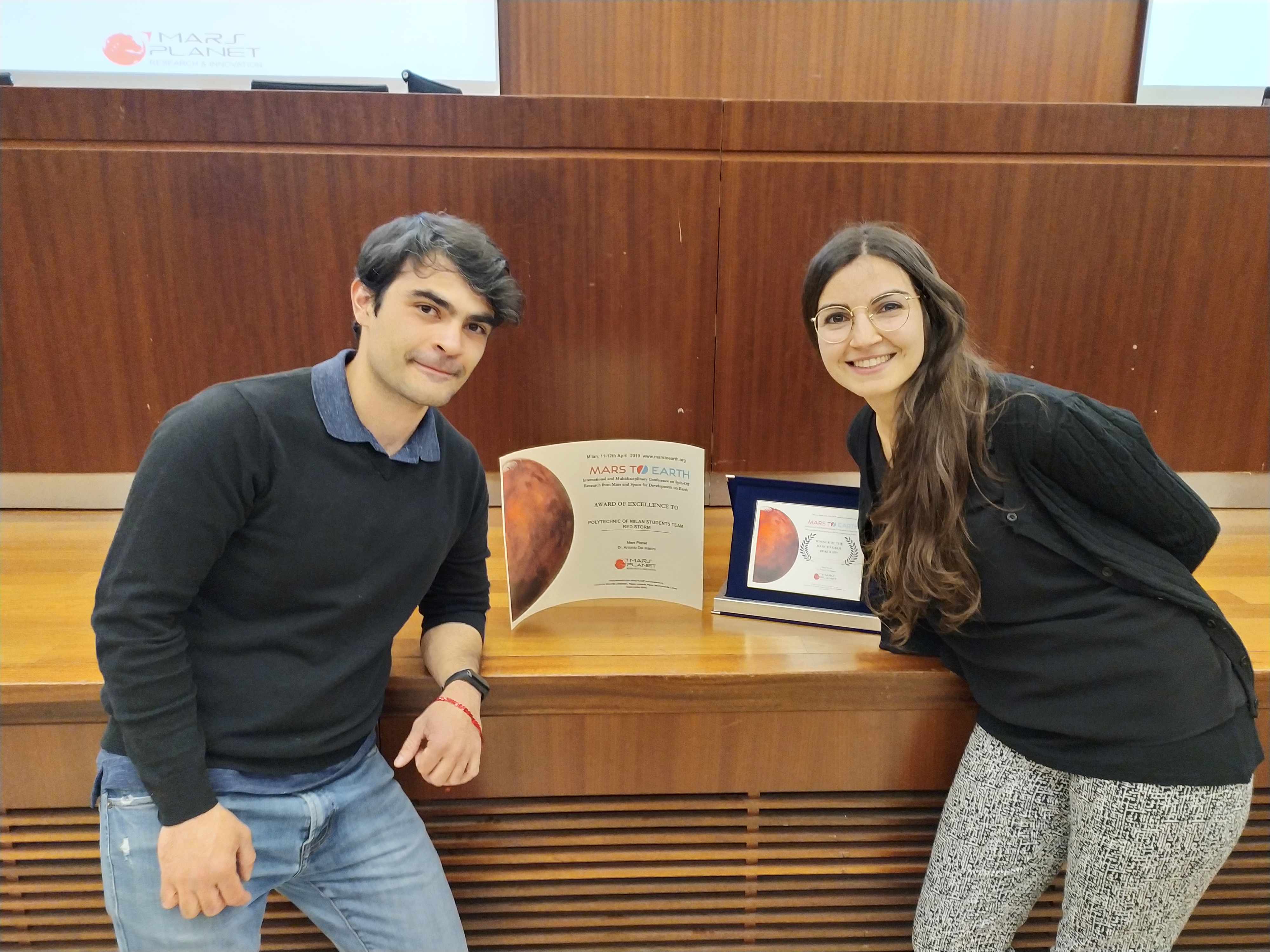
- Award winner at Mars to Earth conference.
- Designed for analog sites simulating sandstorms and low visibility.
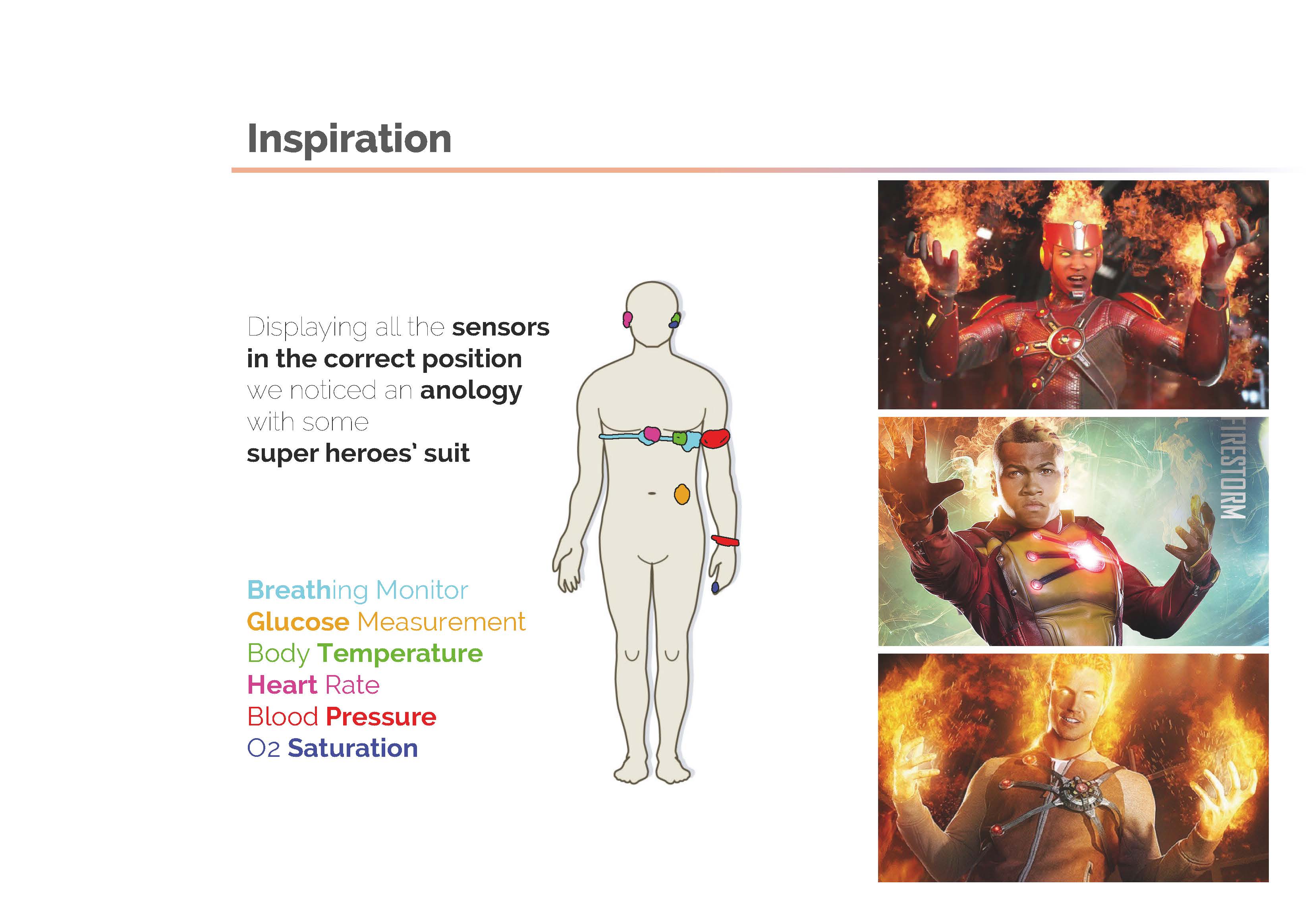
- Extends the “fictional super suit” metaphor into a practical astronaut toolkit.
Problem framing
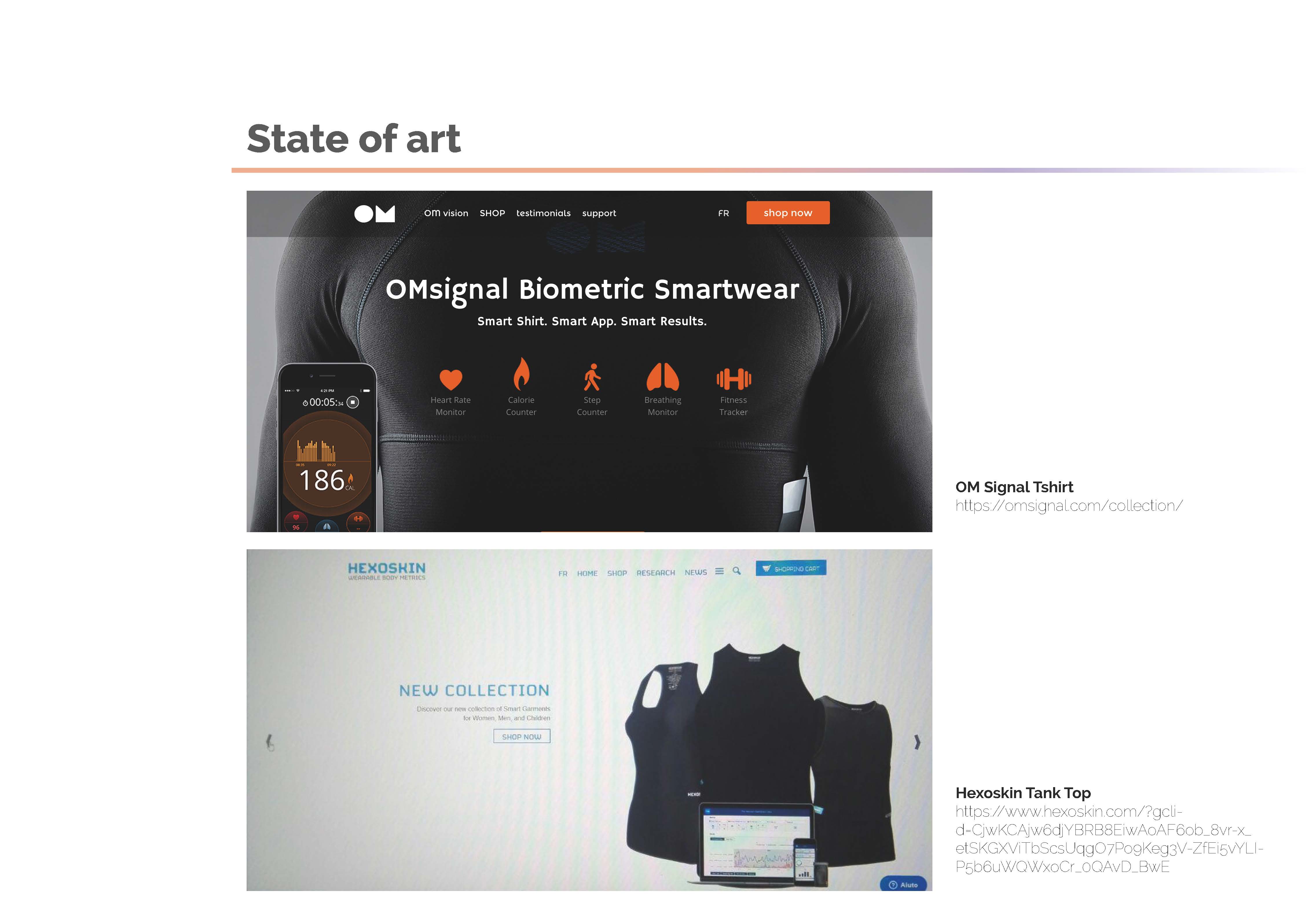
Proprioception and situational awareness degrade fast in analog storms. Astronauts need contextual hints without breaking immersion, while mission control needs a reliable data stream for safety decisions.
System architecture
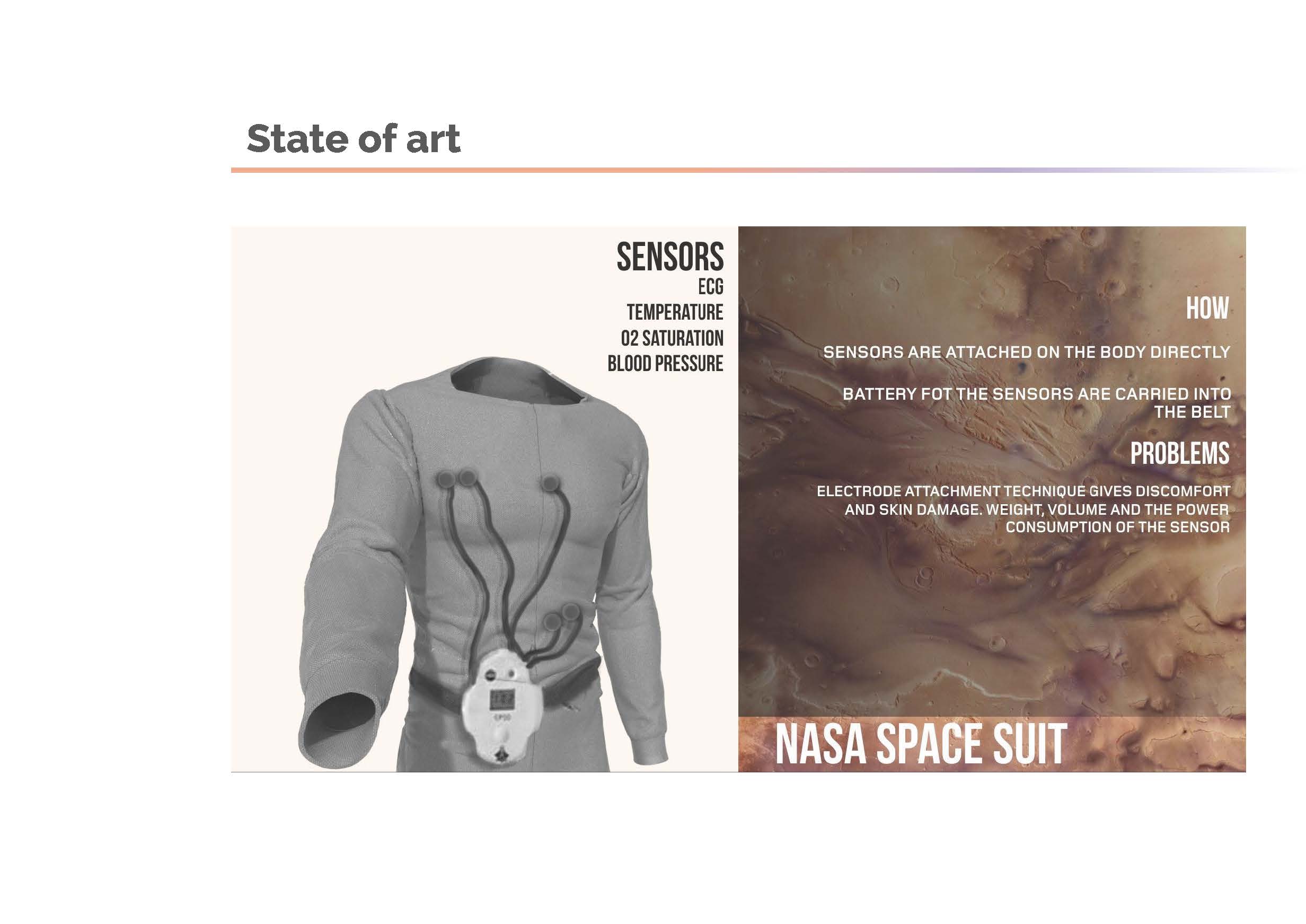
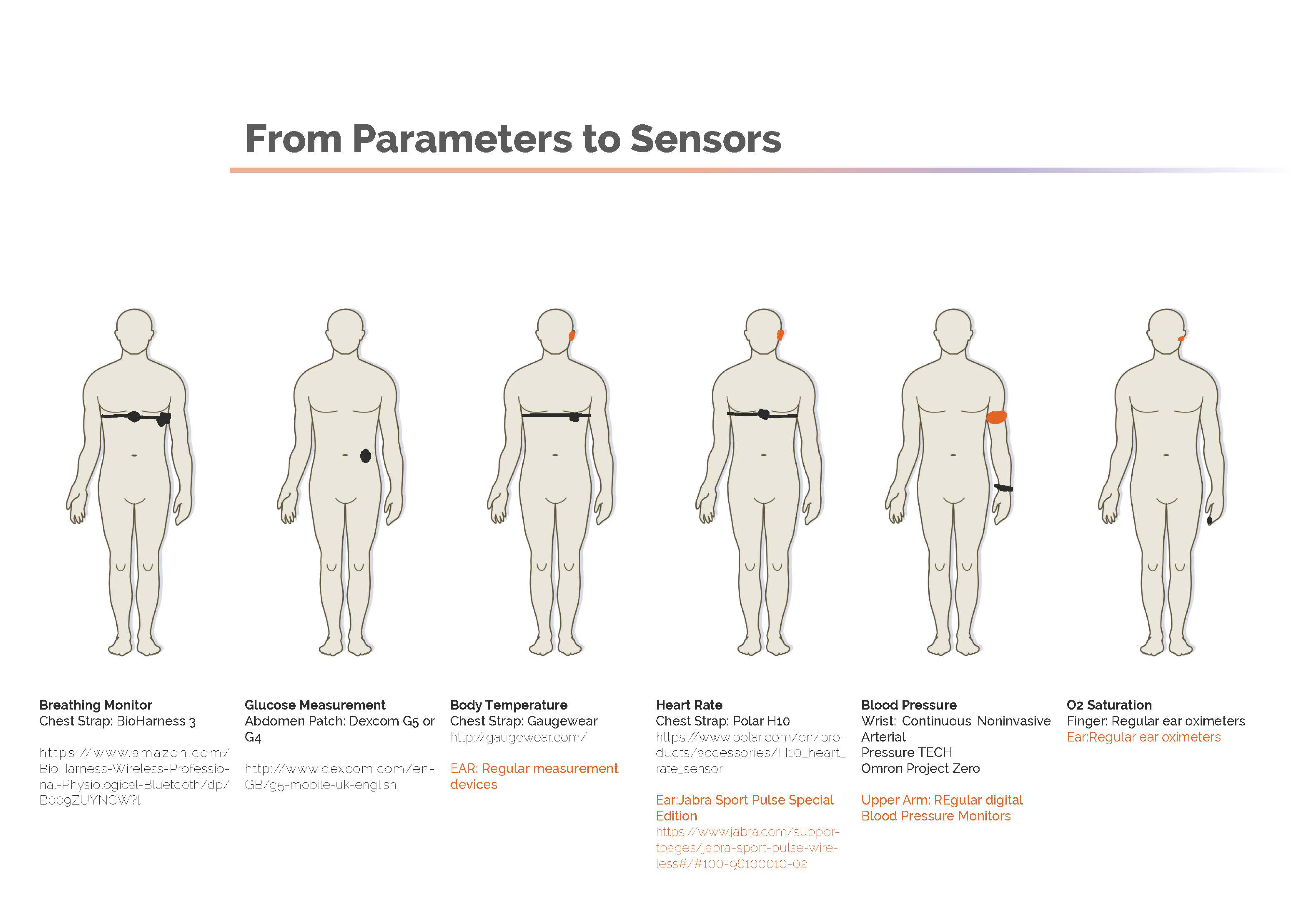
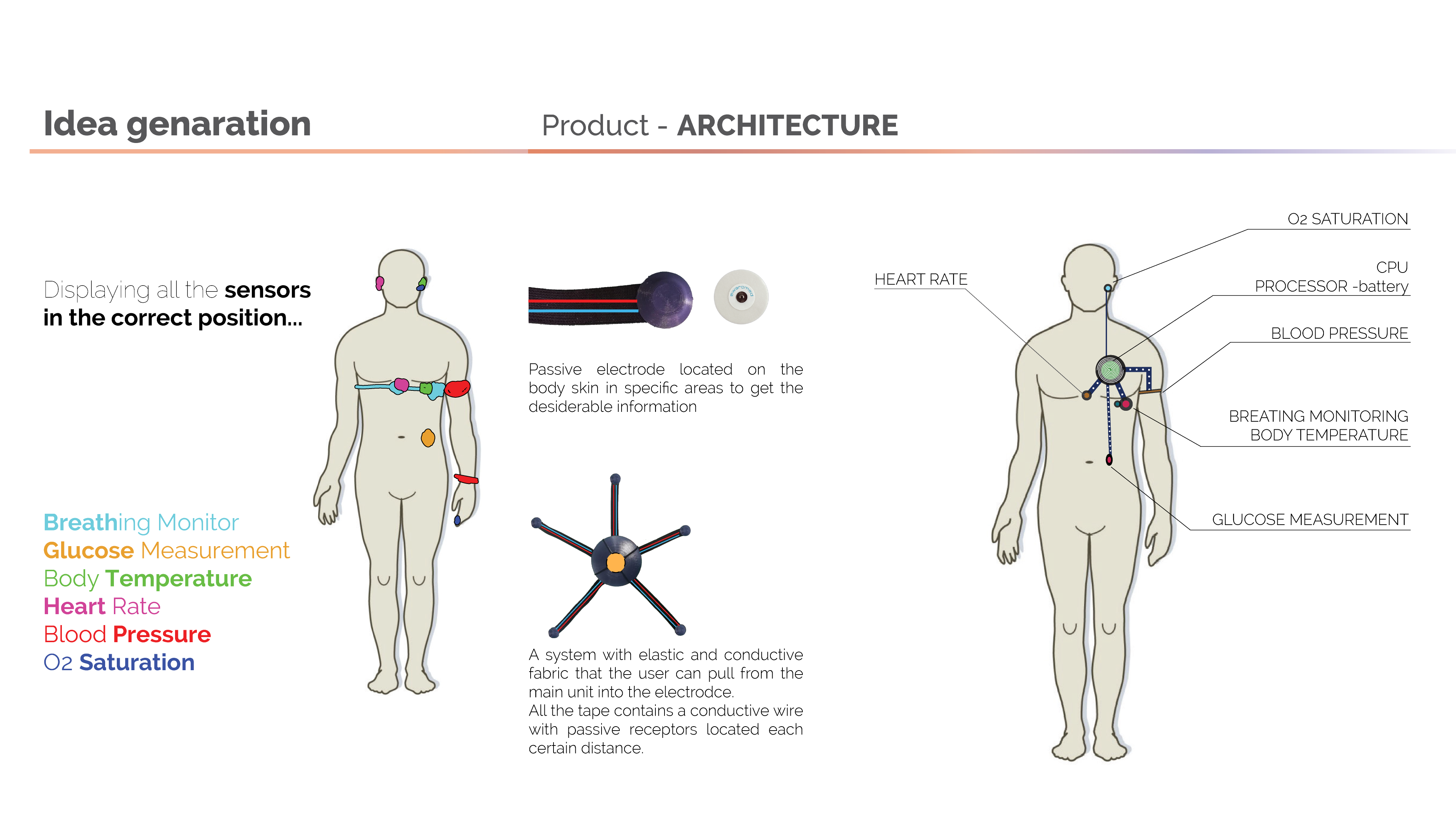
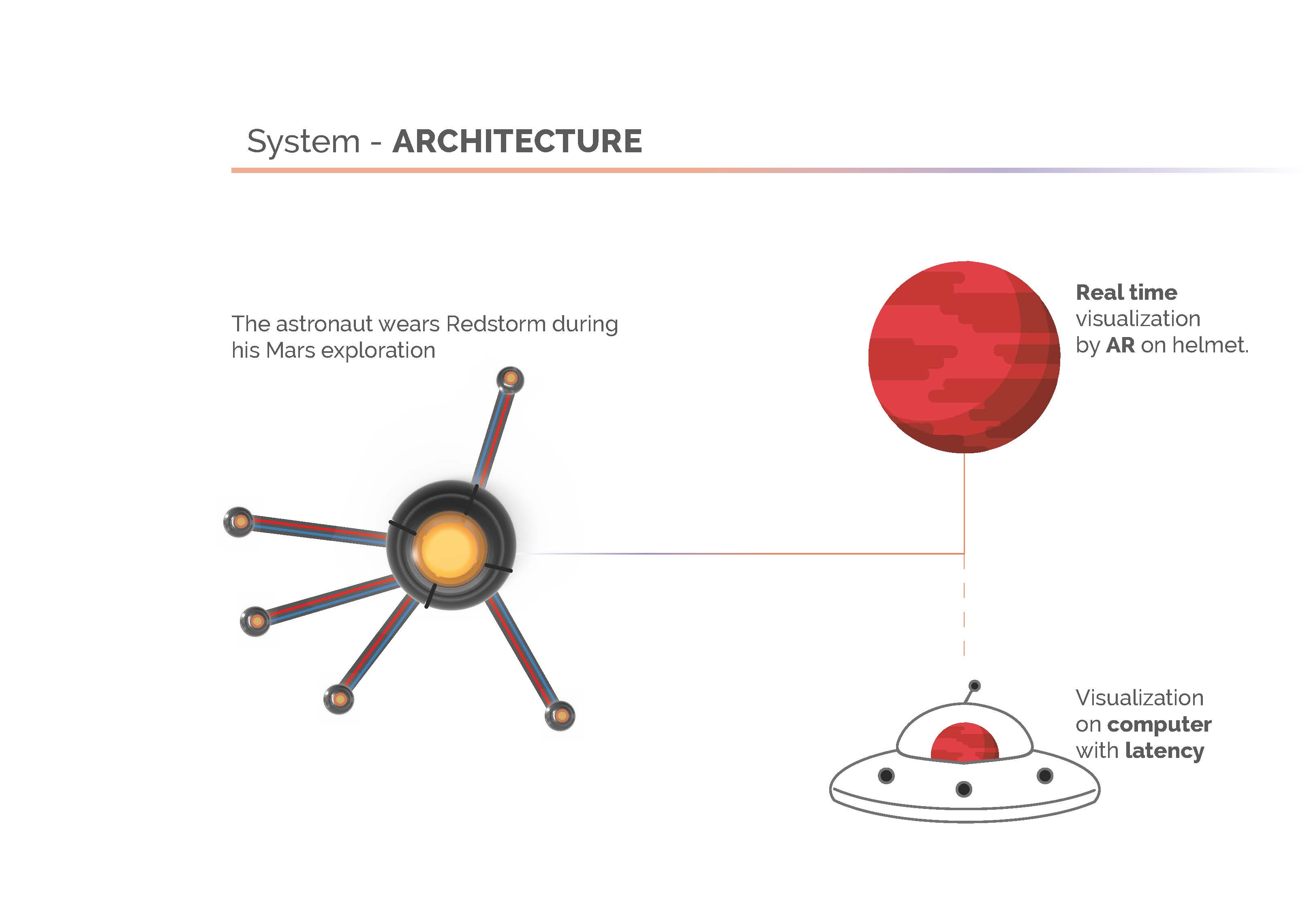
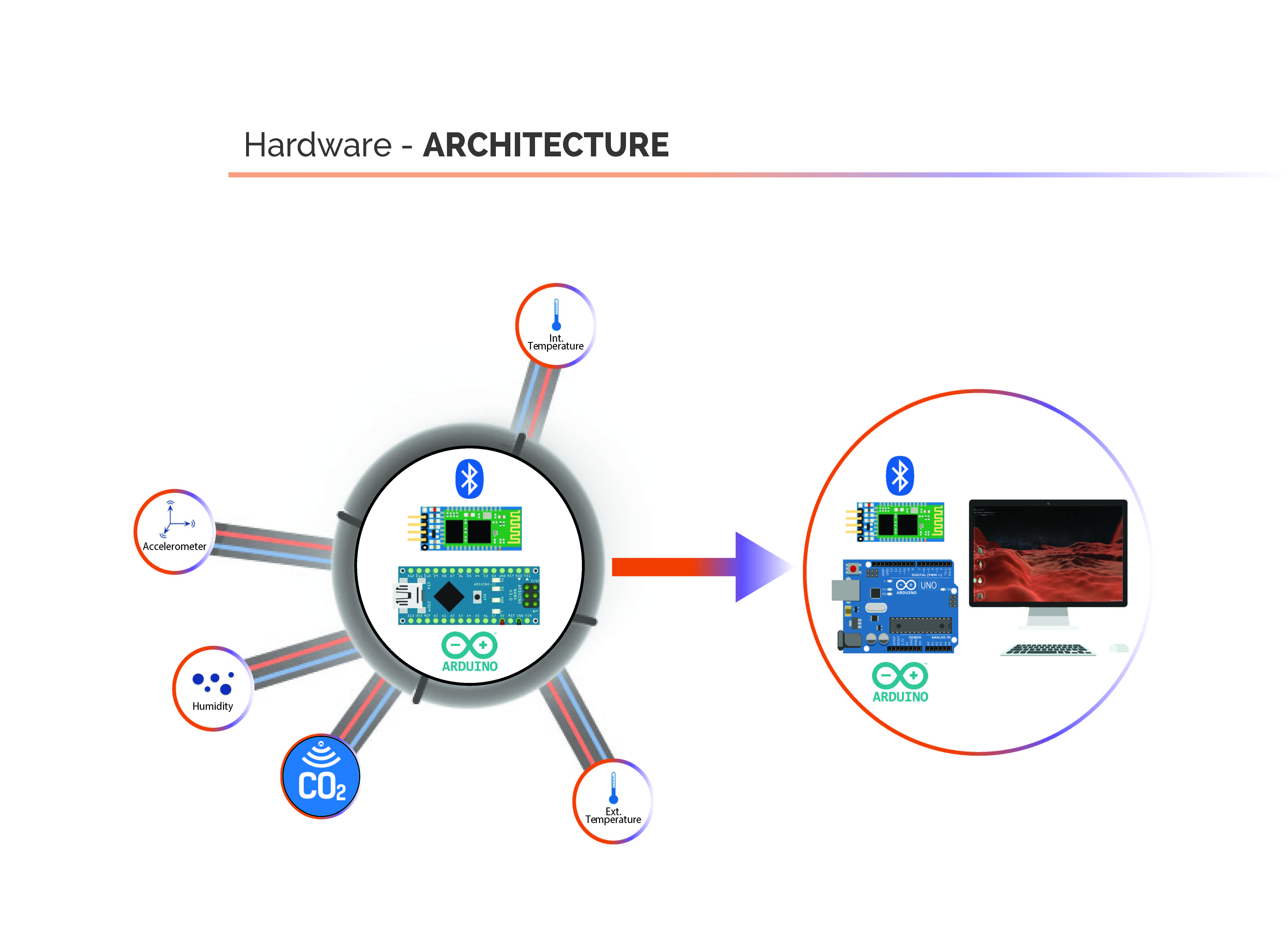
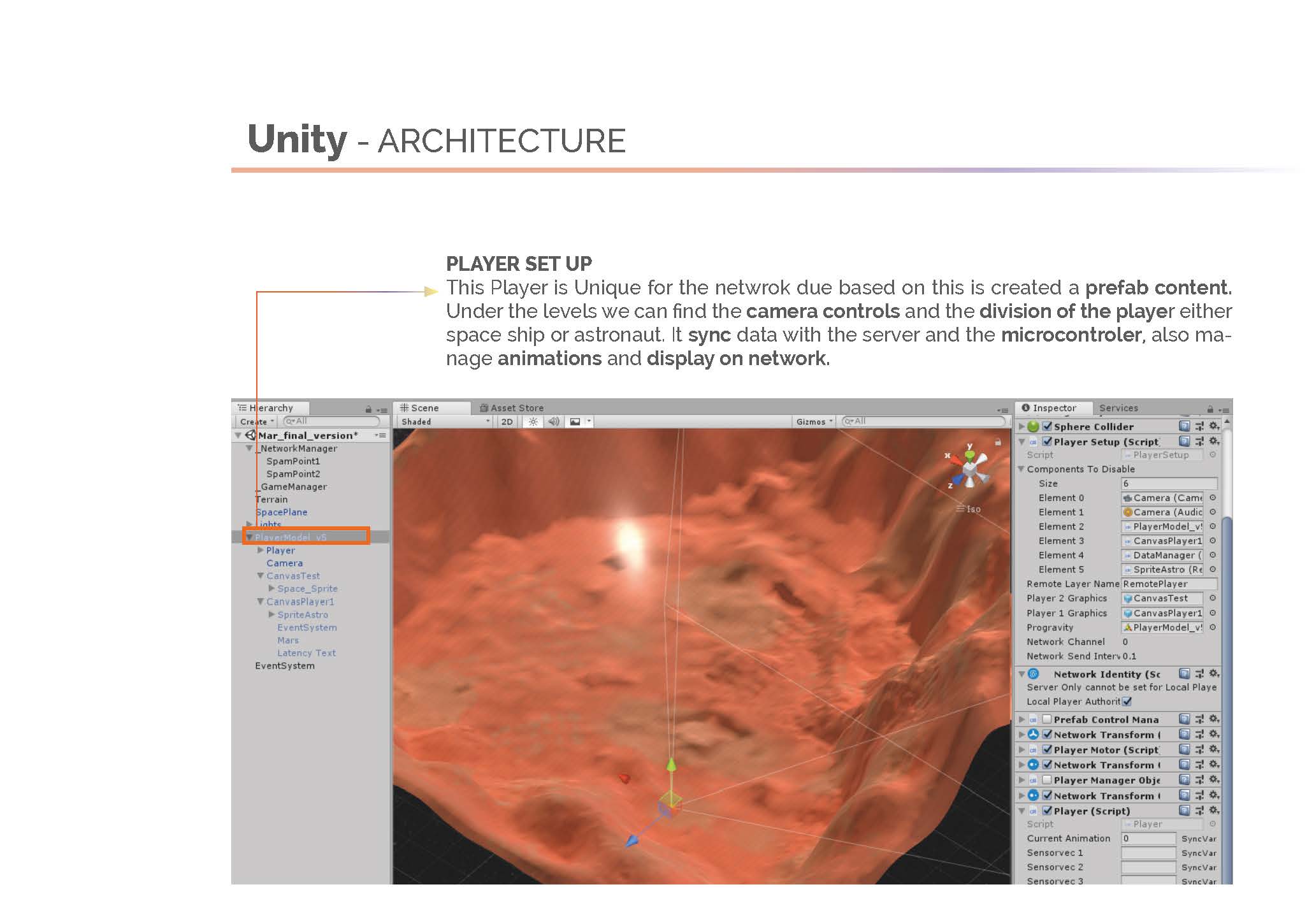
Redstorm consists of three core components: a wearable sensor array embedded in the undersuit, an augmented helmet interface powered by Unity, and a mission control dashboard for guidance and alerts.
The holds-inspired LED language from climbing translated into suit light cues, signaling oxygen levels, storm severity, and mission waypoints.
Wearable hardware
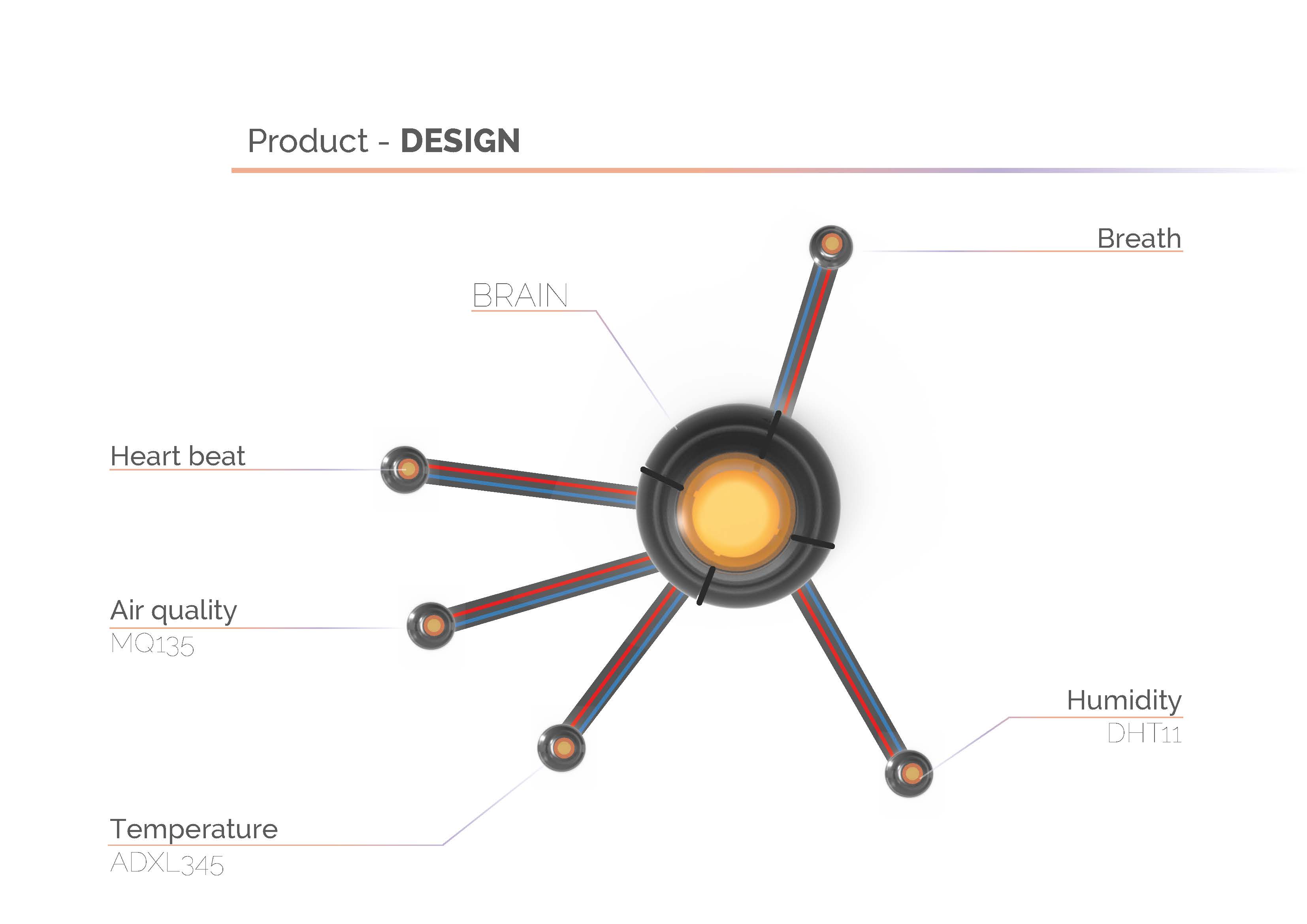
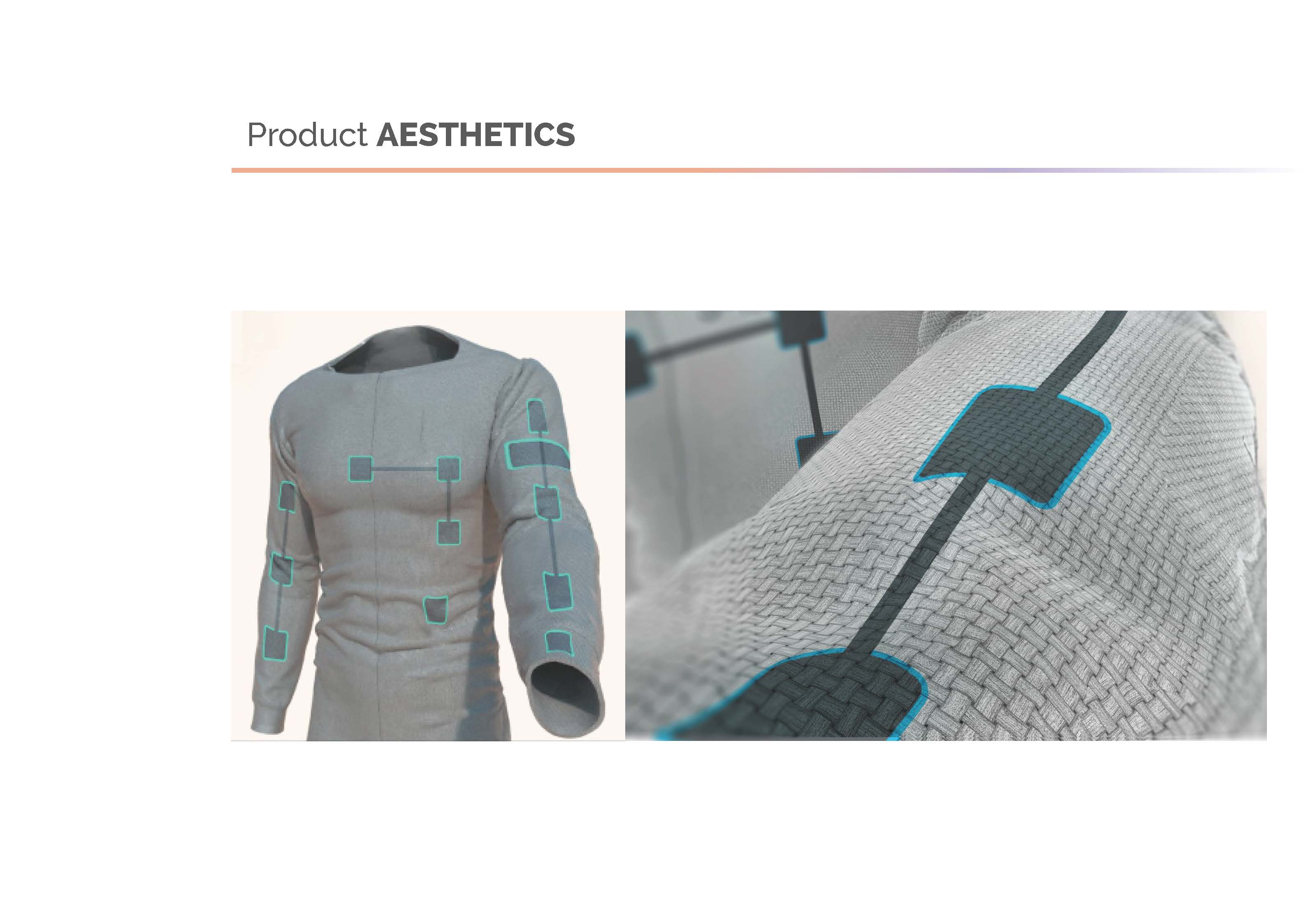
The undersuit integrates capacitive and pressure sensors to track motion, posture, and grip strength. Modules snap into a flexible lattice so astronauts can don or service the system quickly.
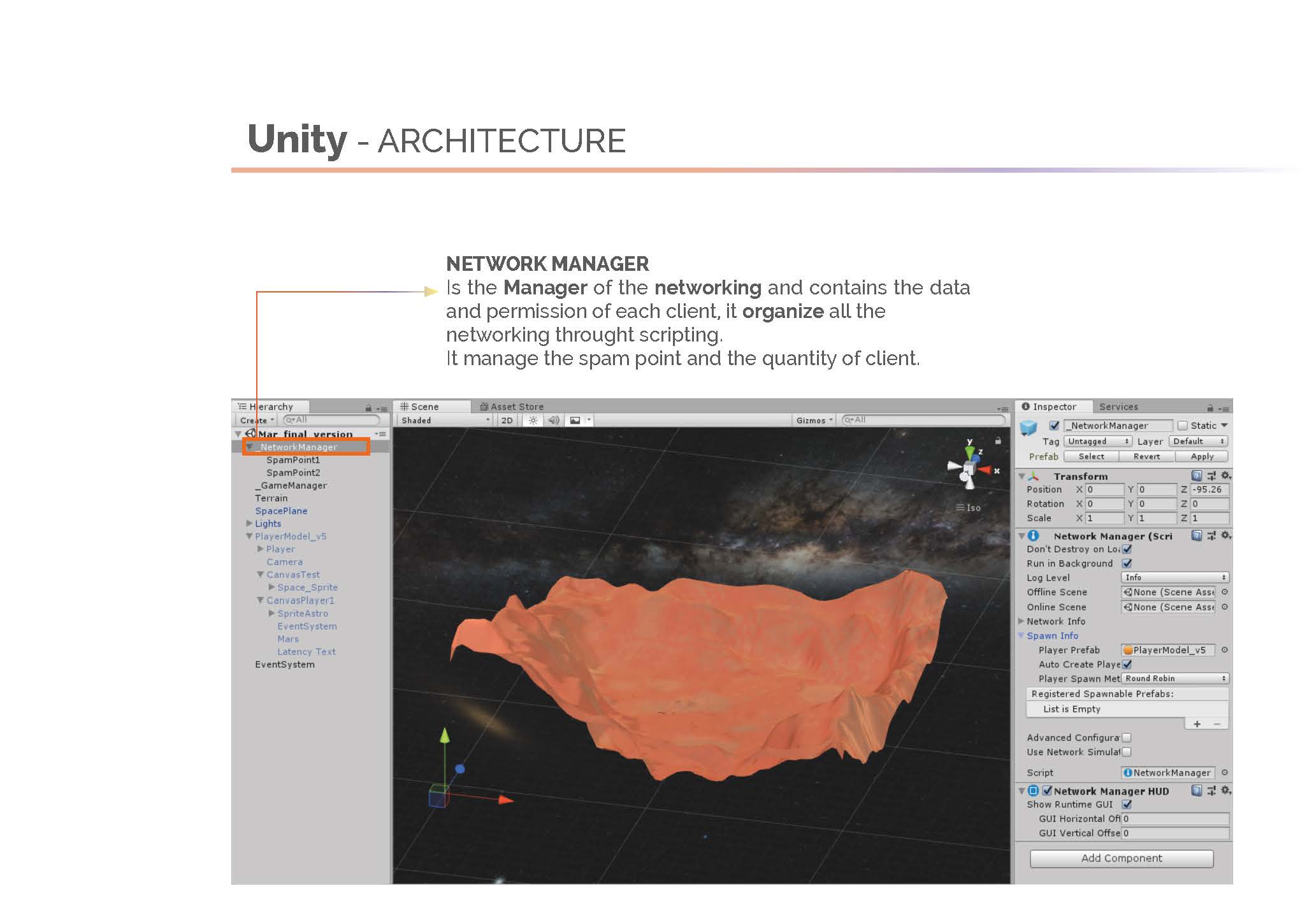
HUD & Unity interface
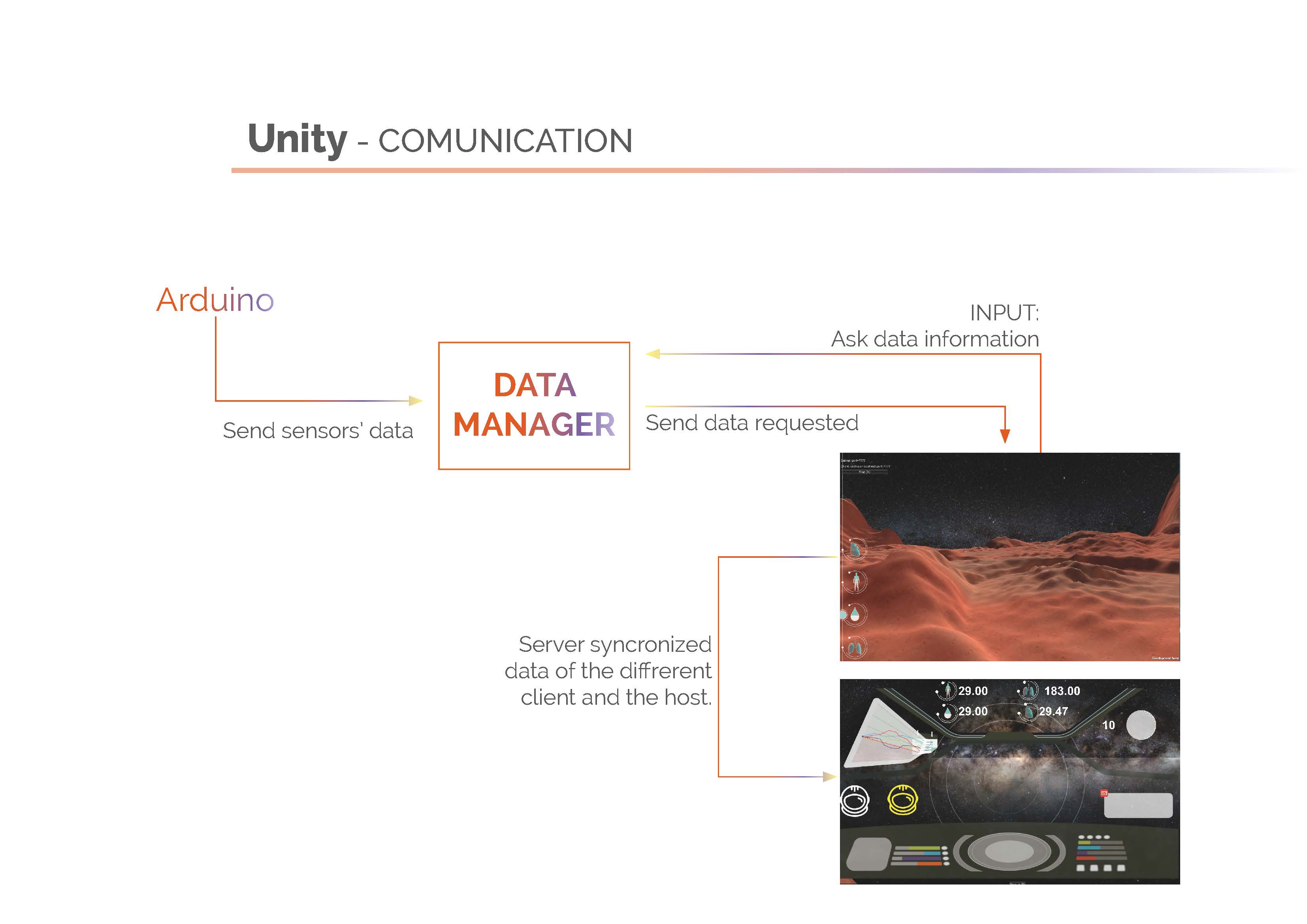
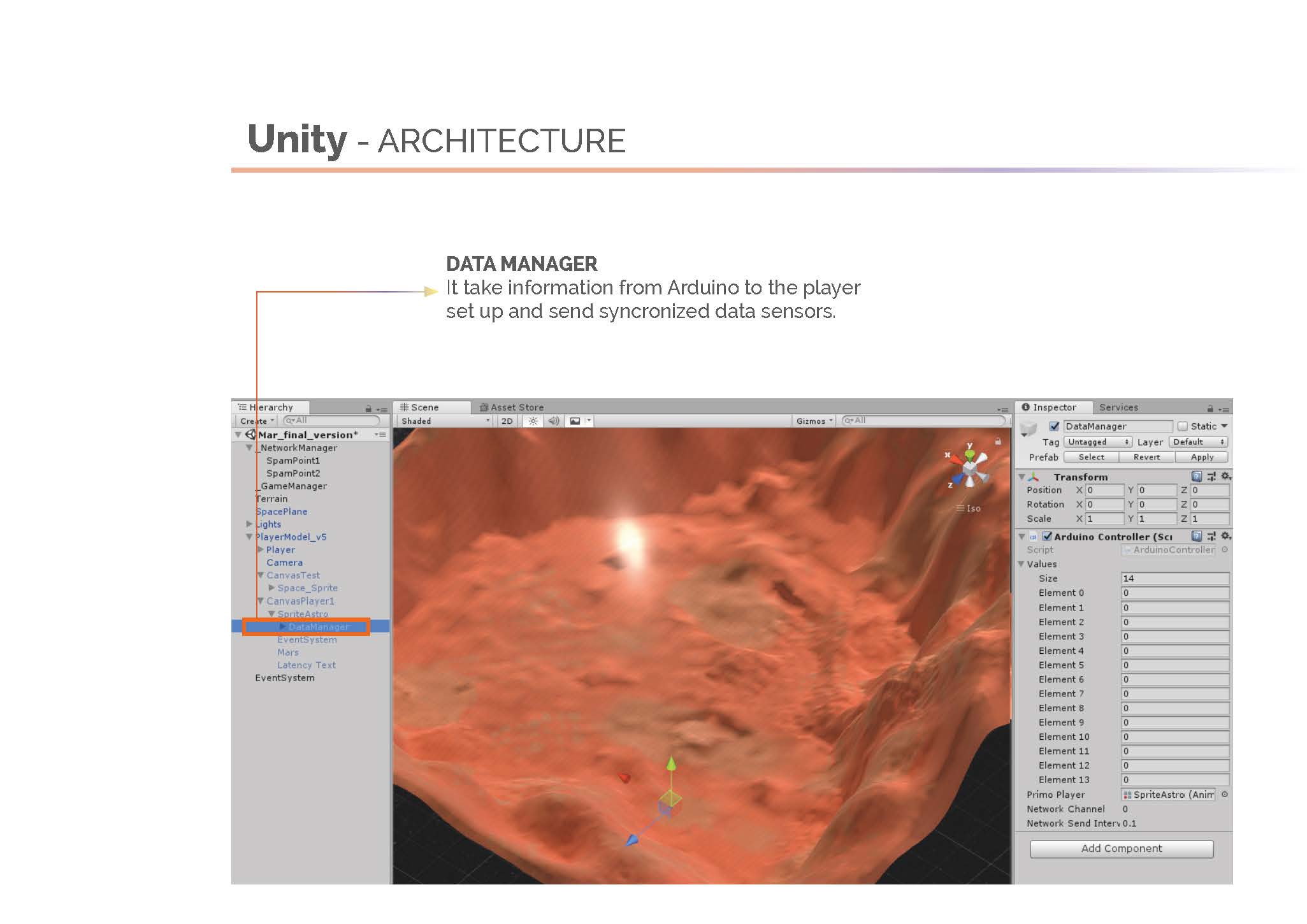
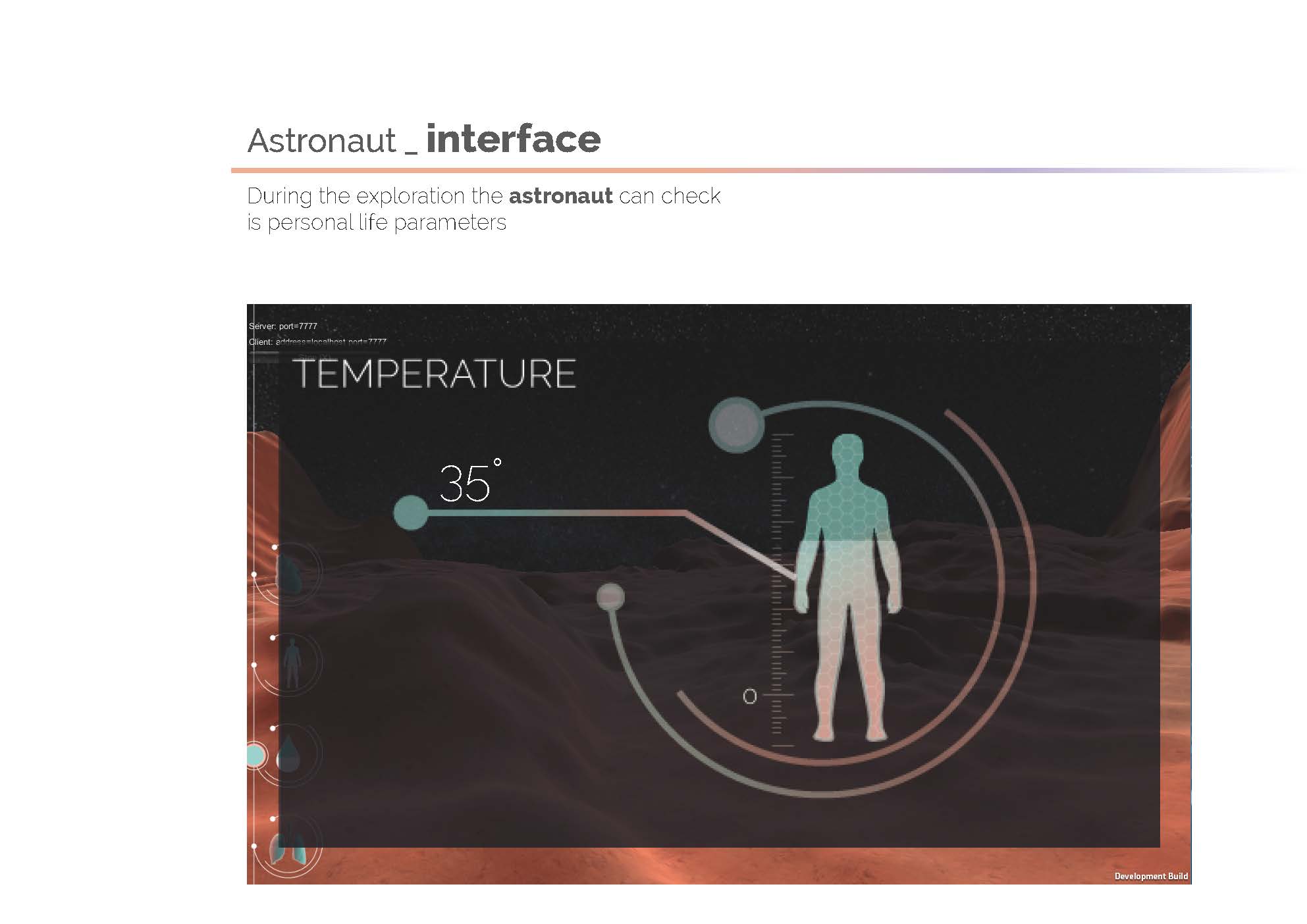
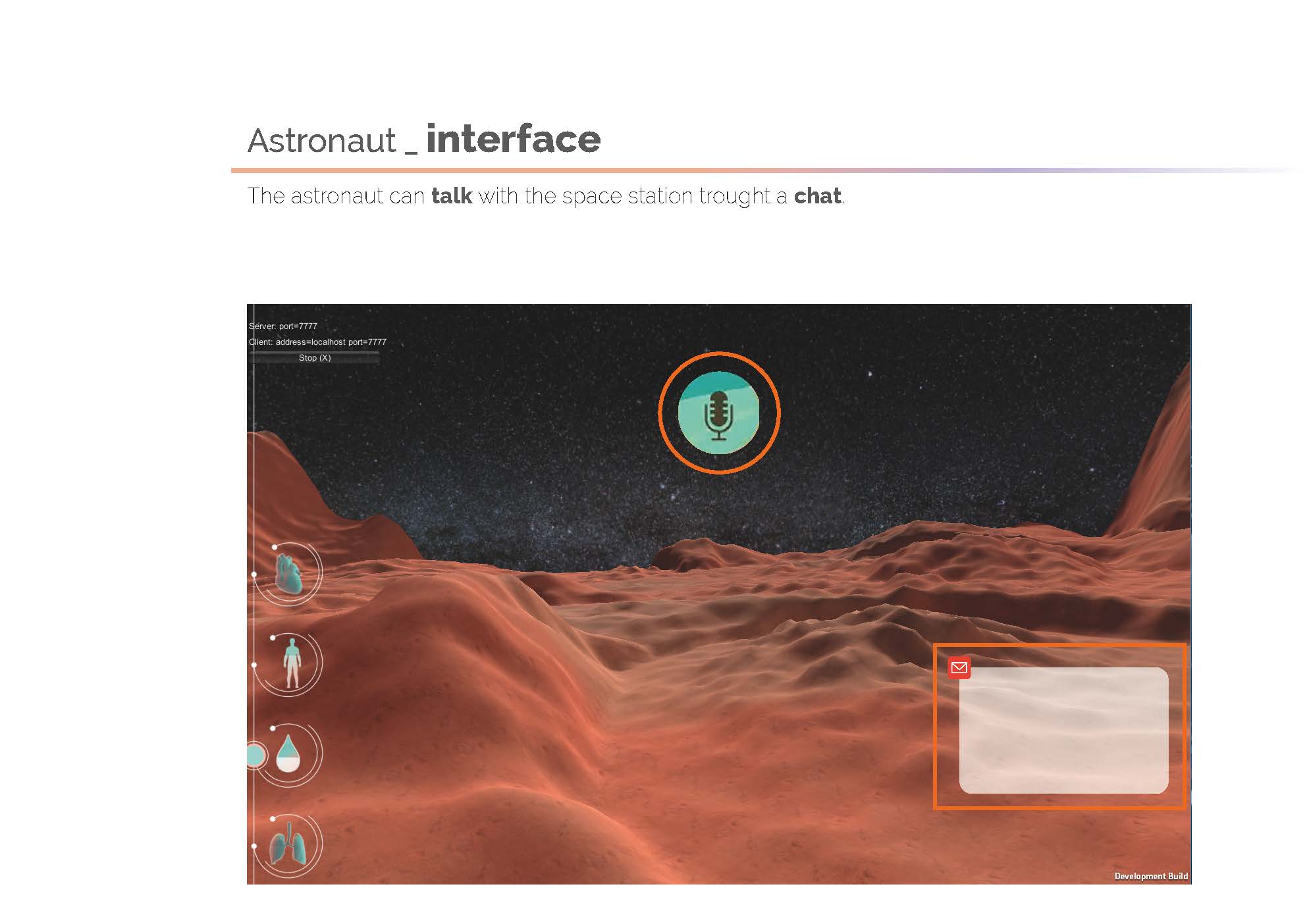
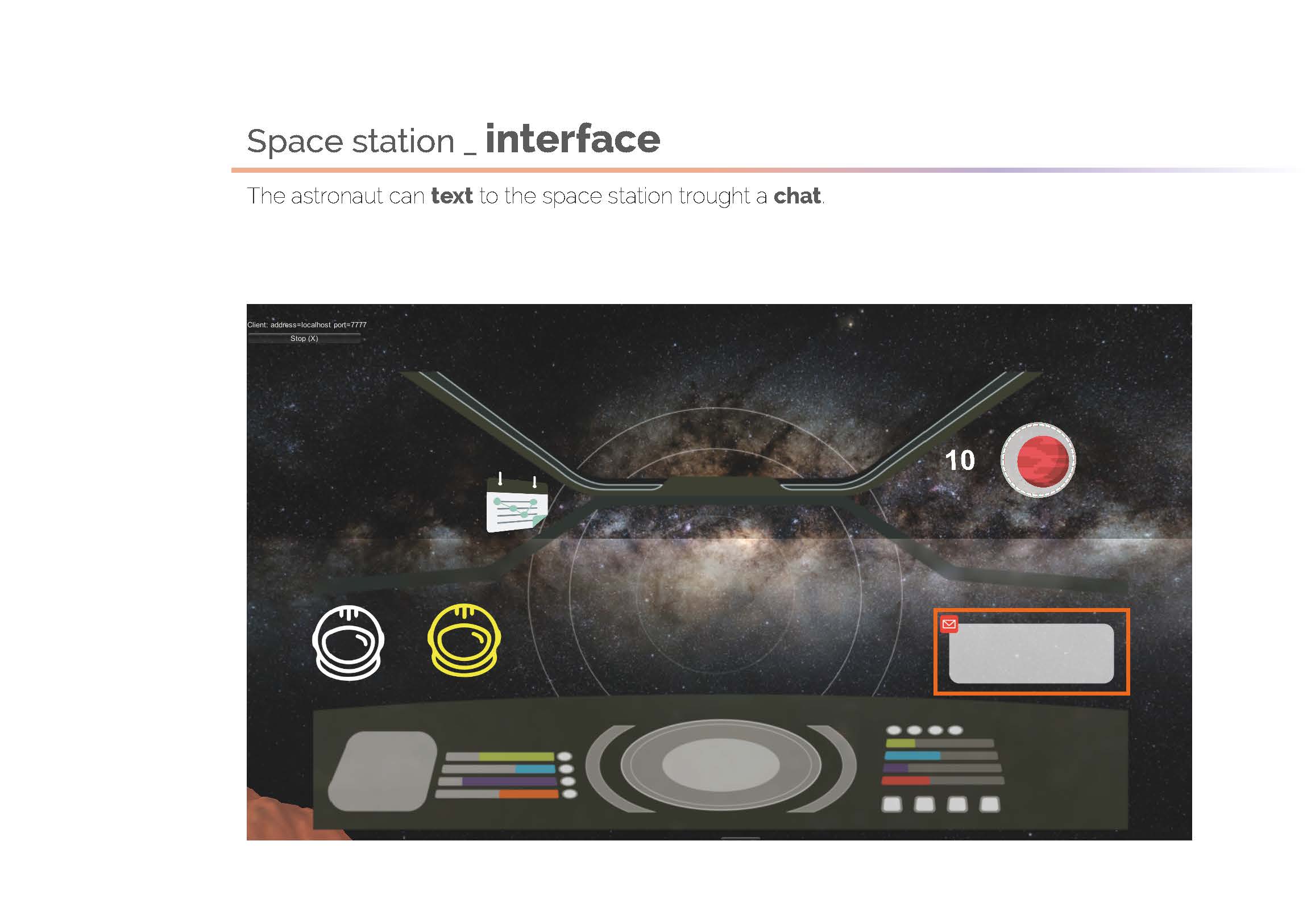
Unity renders the helmet HUD, mirroring how astronauts would see data overlays on their visor. Voice commands trigger panels, and environmental readings pulse with the same color language across suit and UI.
Prototyping & testing
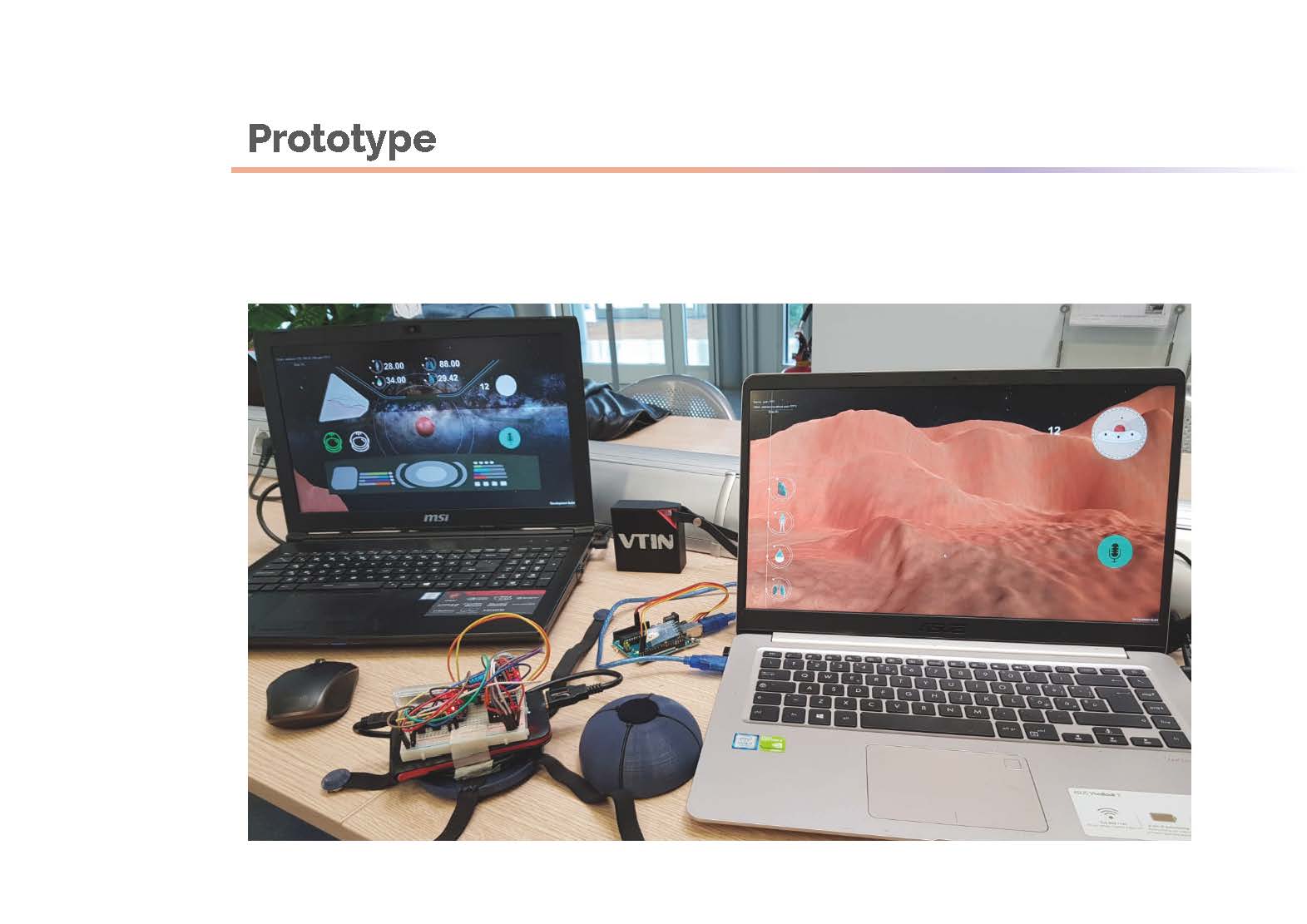
Rapid prototyping combined Arduino-powered sensors with fabricated undersuit panels. We stress-tested the system in fog chambers and dust simulations to validate sensor placement and communication stability.
Mission control tools
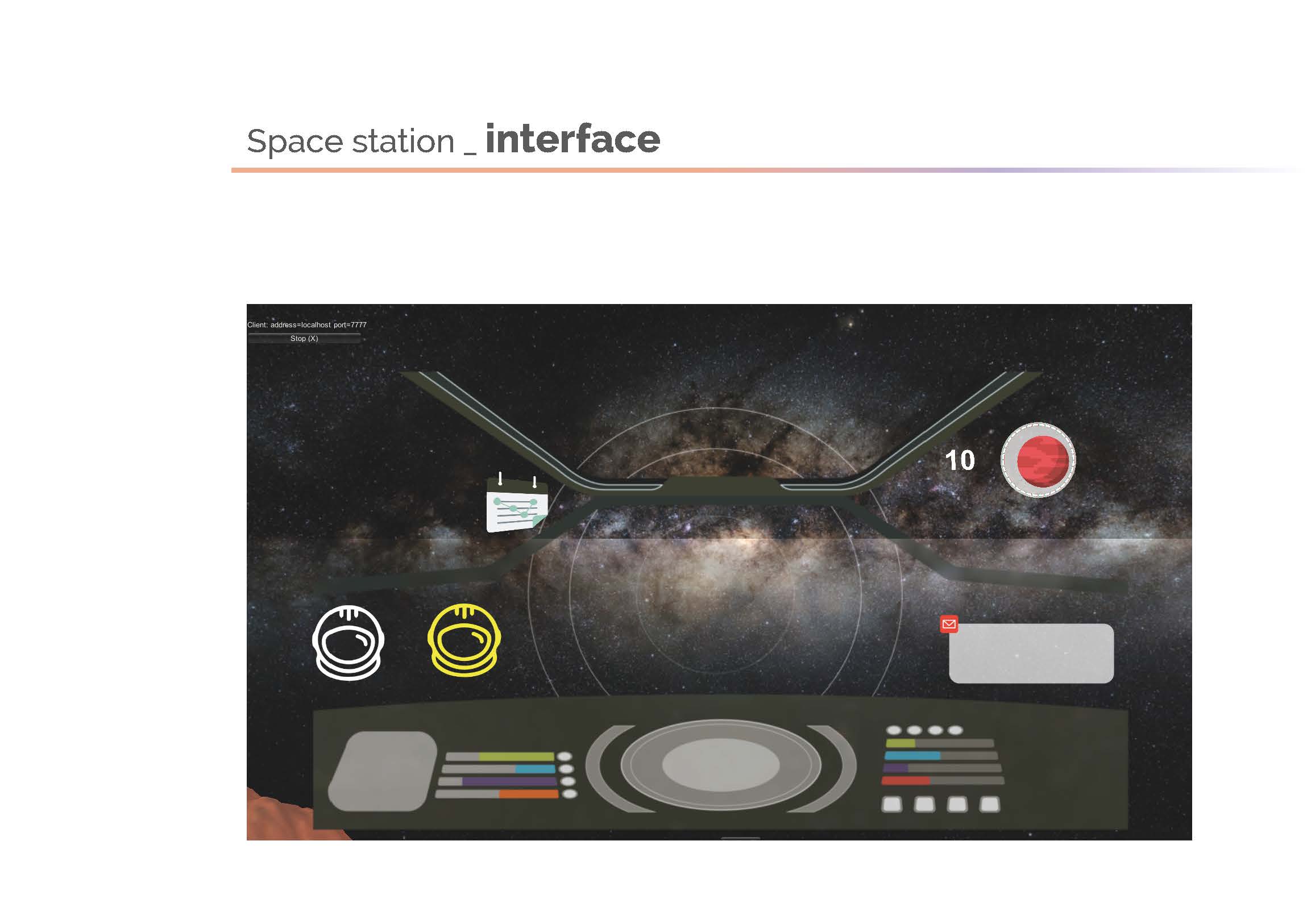
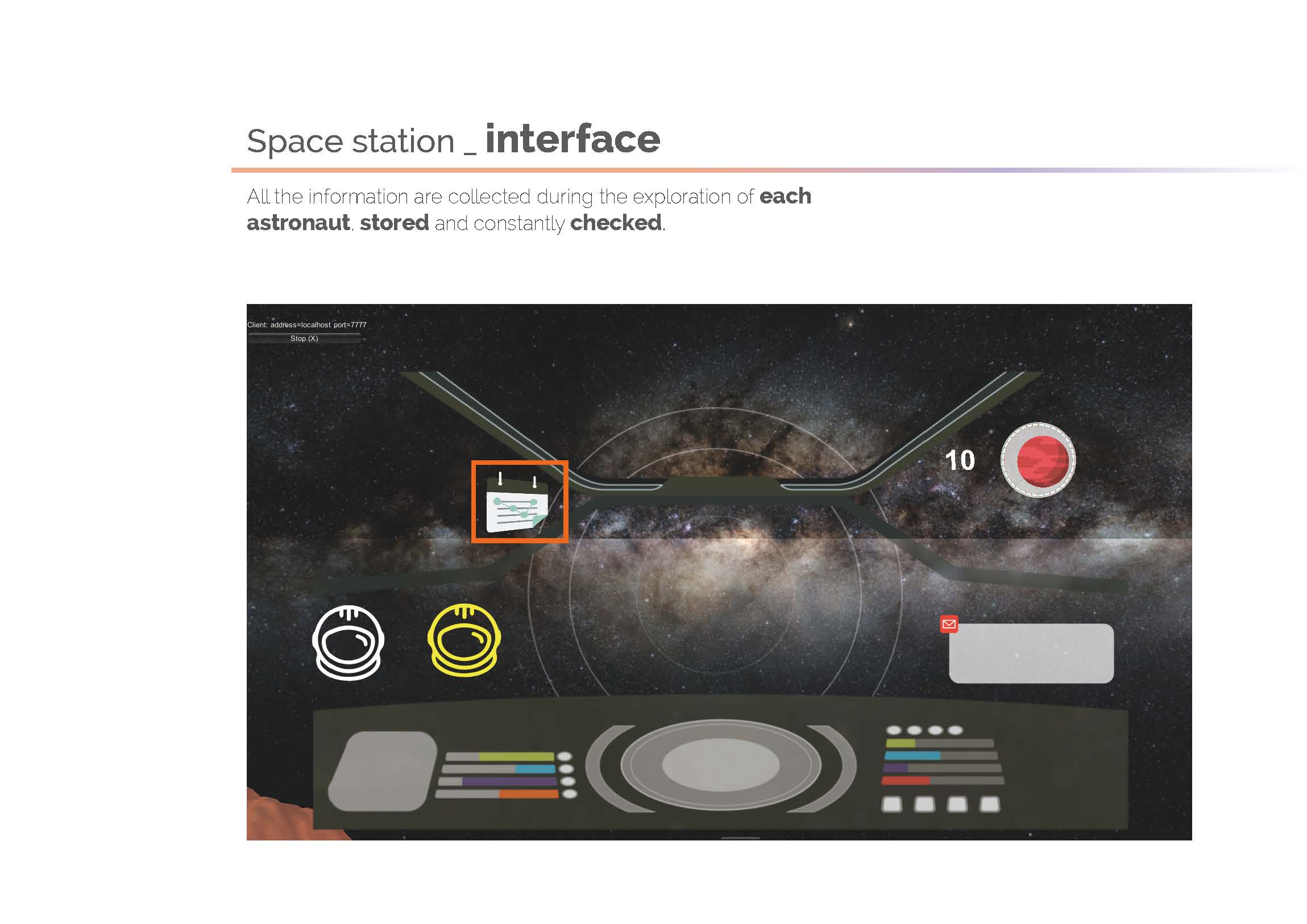
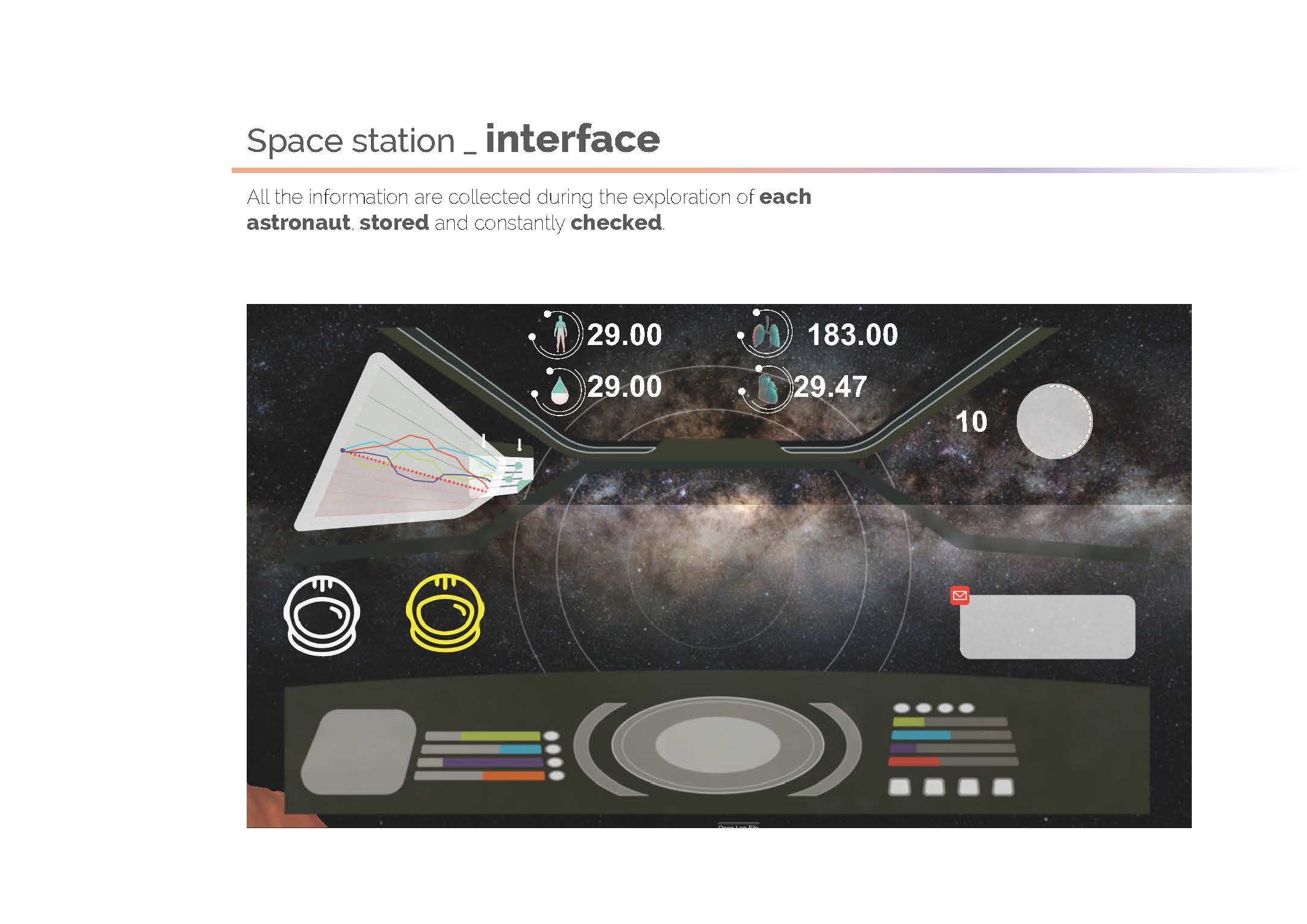
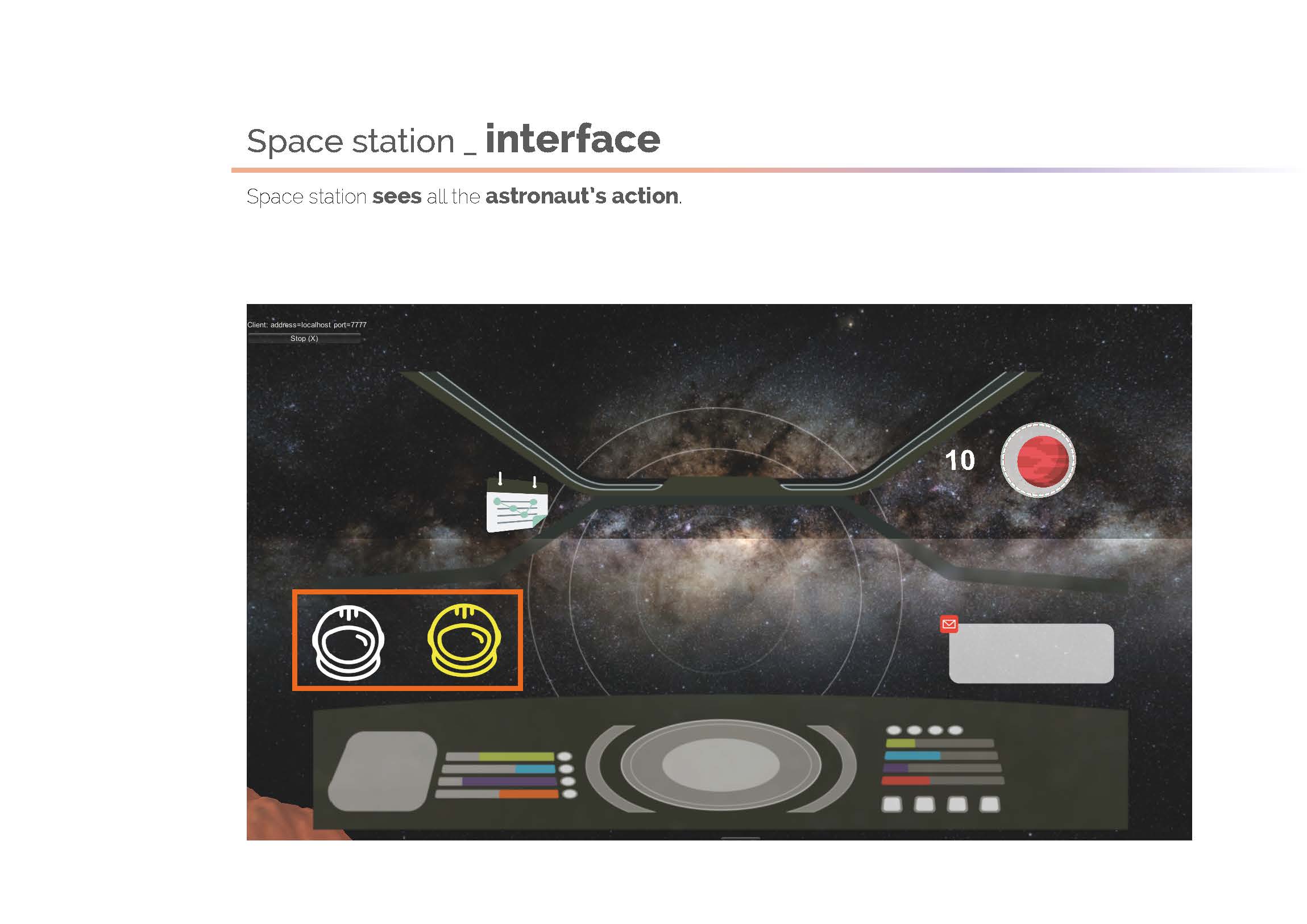
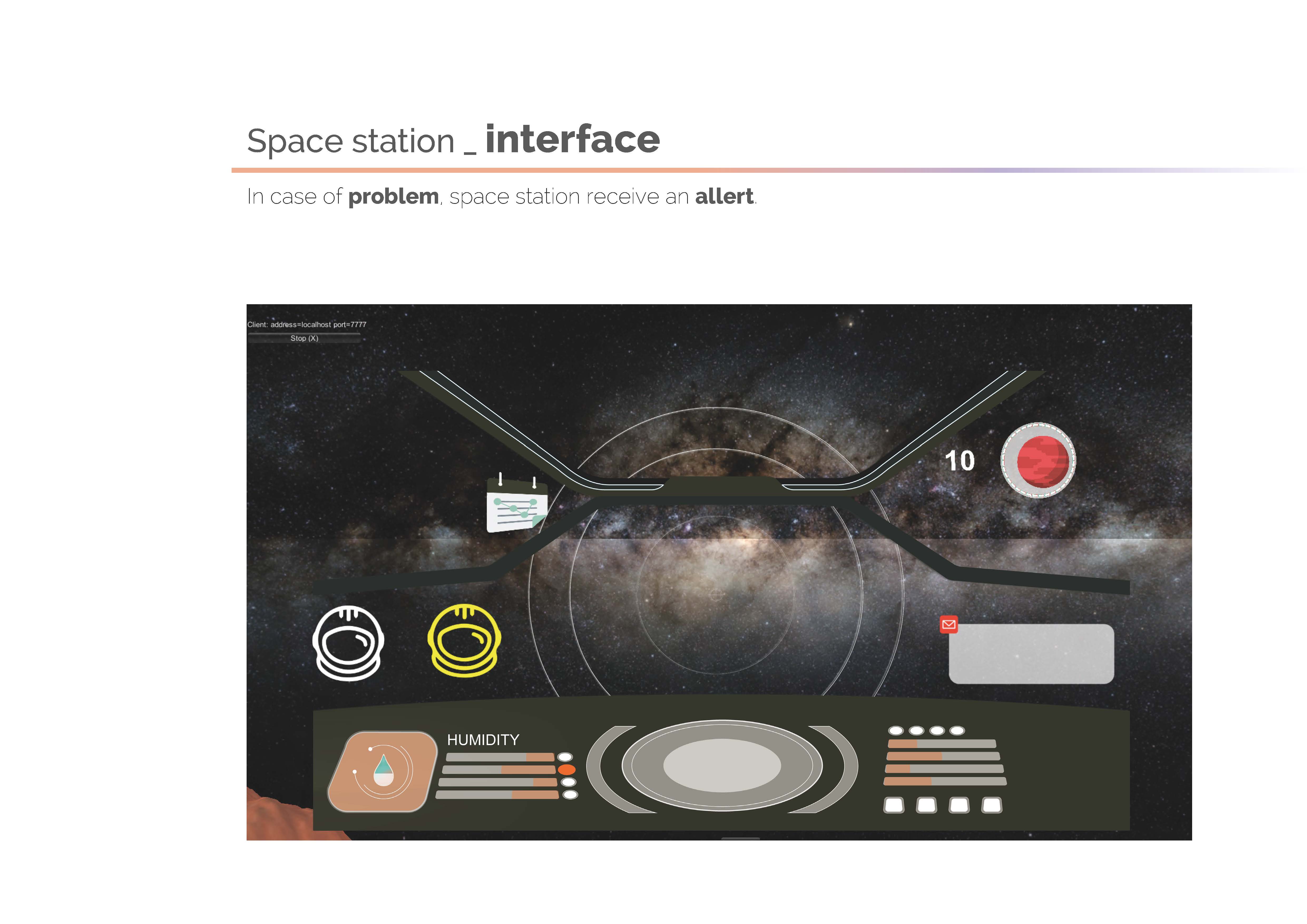
A complementary dashboard mirrored the astronaut HUD, showing vitals, location, and storm telemetry for mission operators. The same color coding ensures both parties interpret alerts instantly.
Experience film
The prototype film below captures how the suit, HUD, and mission control collaborate to keep astronauts safe in simulated storms.
Outcomes
- Won “Mars to Earth” conference award for best analog training concept.
- Documented hardware + Unity pipeline for future research partners.
- Delivered a reusable alert language now applied to other space analog prototypes.