
Background
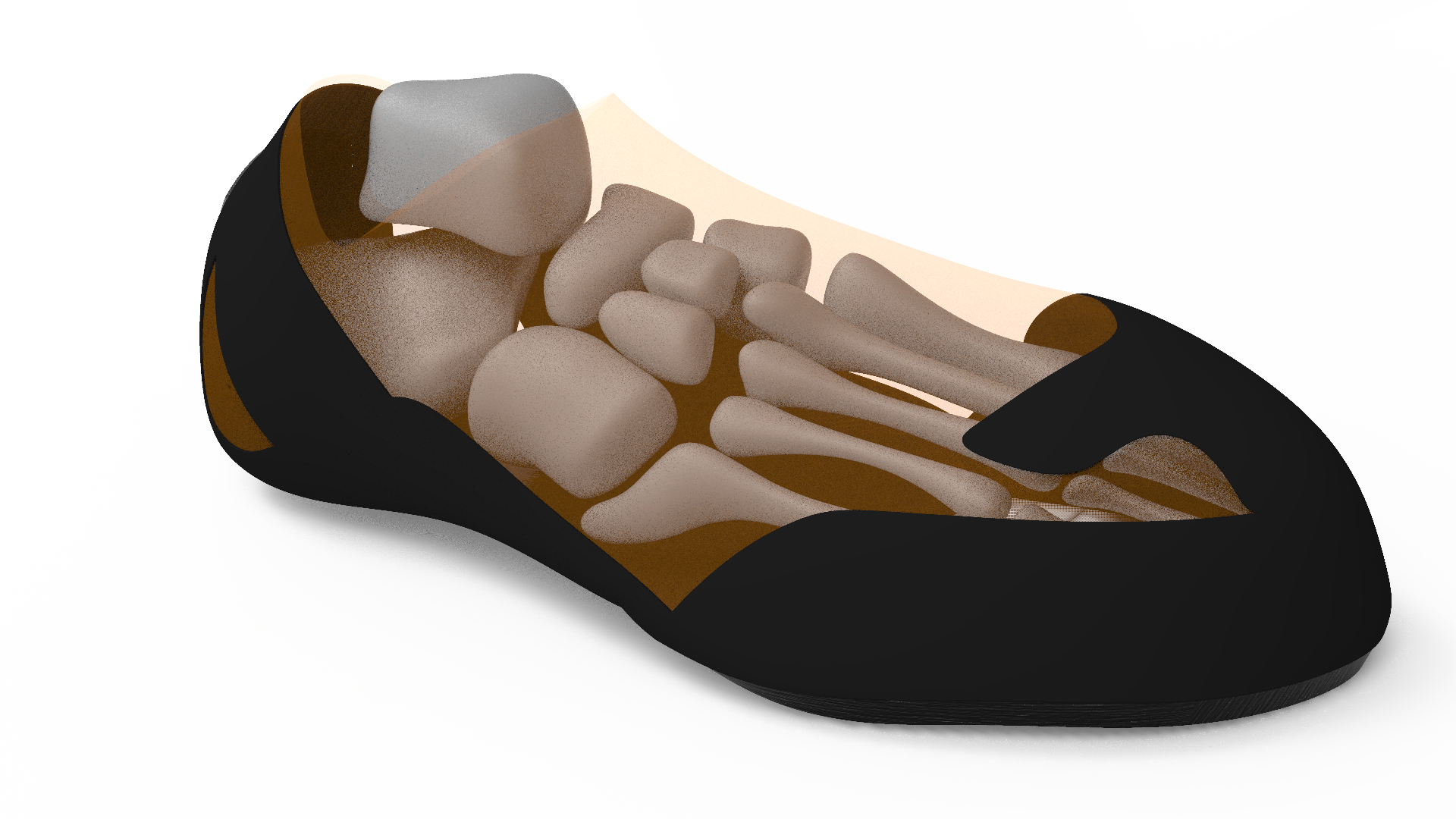
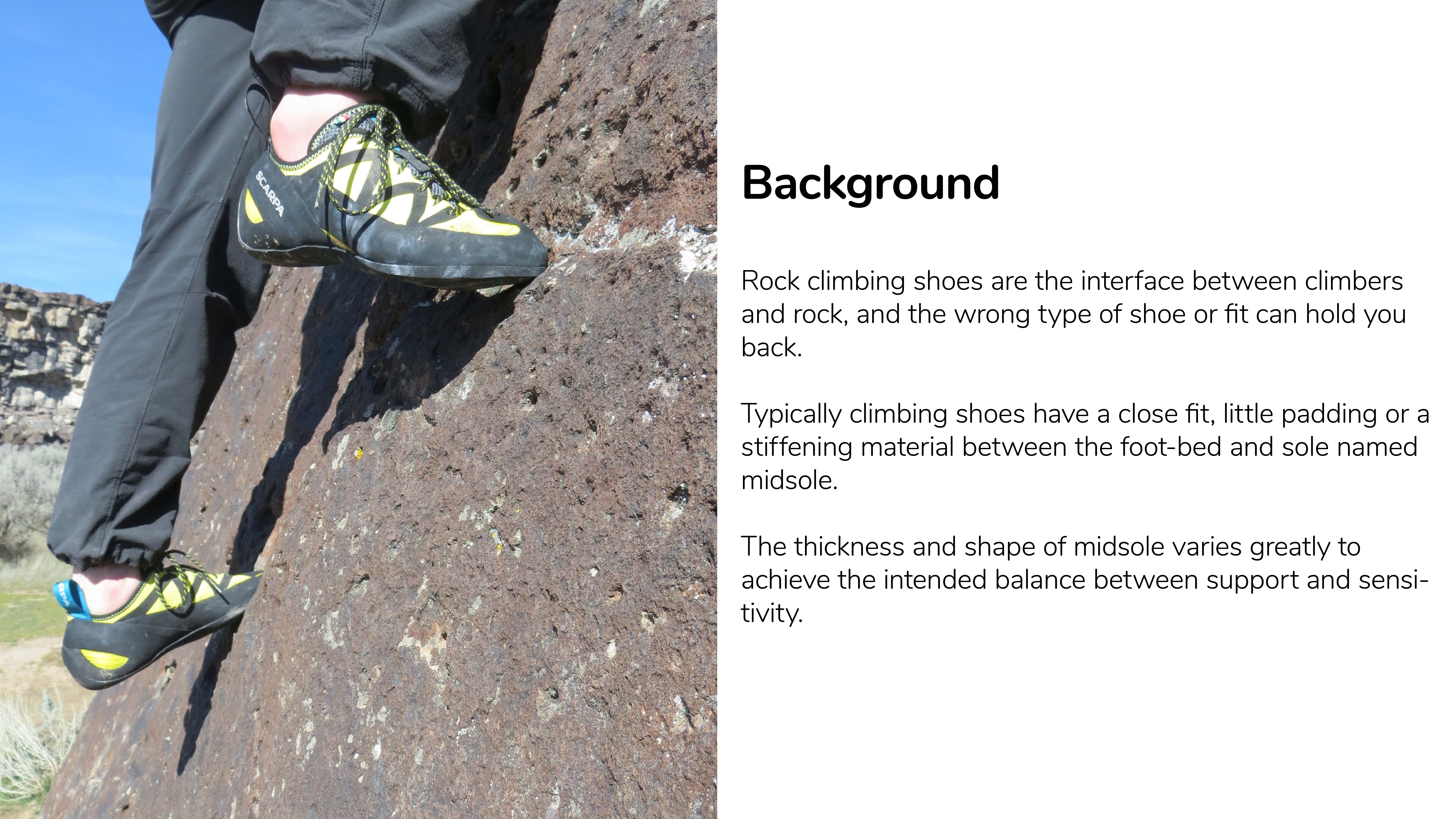
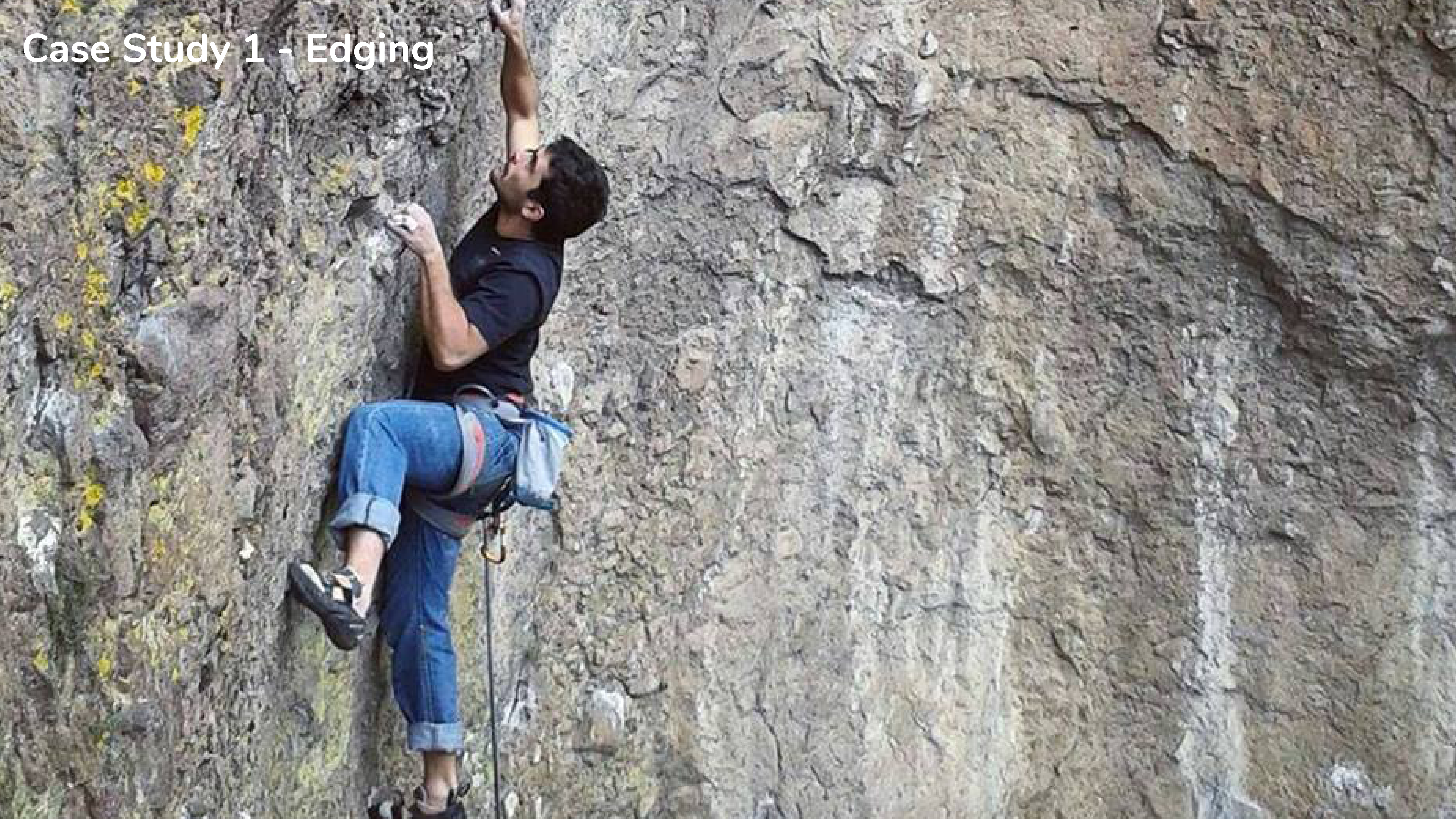
Rock climbing shoes are the interface between climbers and rock; the wrong fit or stiffness can hold you back. They typically have little padding and use a stiff midsole sandwiched between footbed and outsole to tune sensitivity. Vapor V needed better balance between edging support and smearing comfort.
- 3D modeling in Rhinoceros 6
- Material selection and layering study
- FEA runs performed in Abaqus CAE
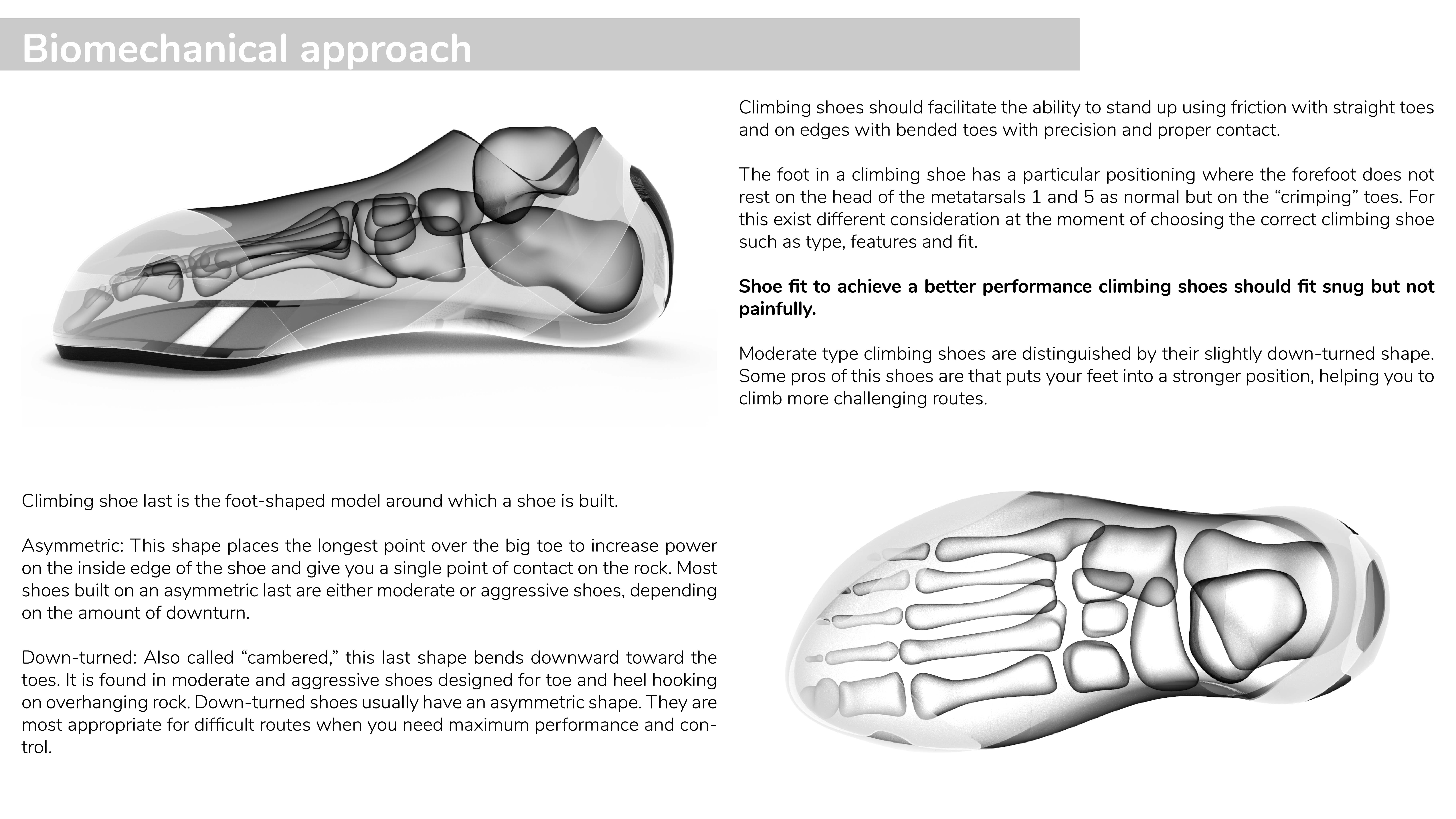
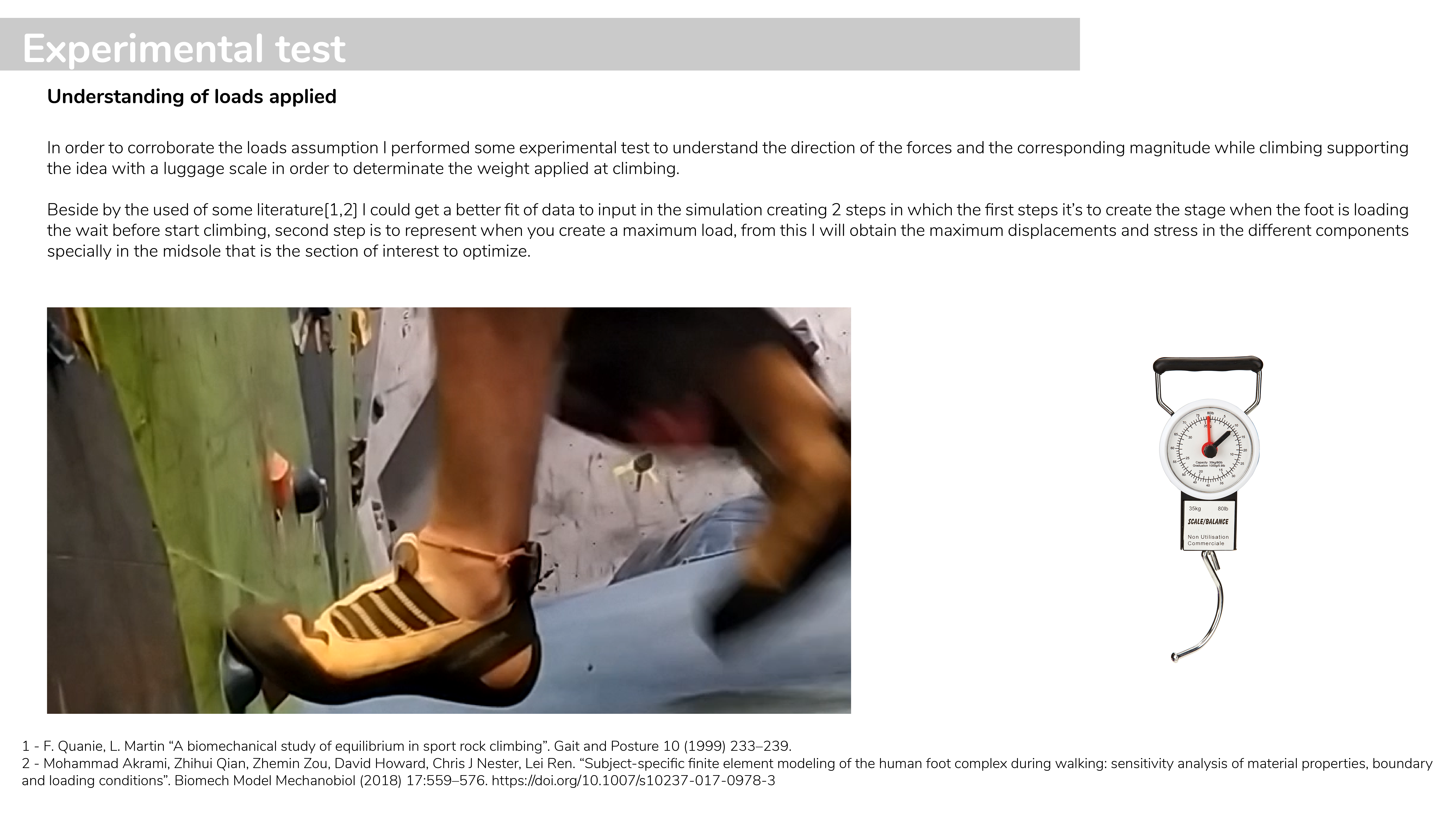
- Biomechanical study and considerations
Digital reconstruction workflow
The legacy article walked through a meticulous rebuild of the shoe starting from taped foot forms. I recreated that process with updated captures, lofting the last, toe rand, and closure system in Rhino before porting them to Grasshopper where every layer became parametric.
- Digitized the last, straps, and split sole with sub-millimeter tolerance.
- Set live controls for rubber thickness, perforation density, and tensioning straps.
- Kept the same narrative screenshots from the legacy page so readers can follow each modeling hop.
Material stack & instrumentation
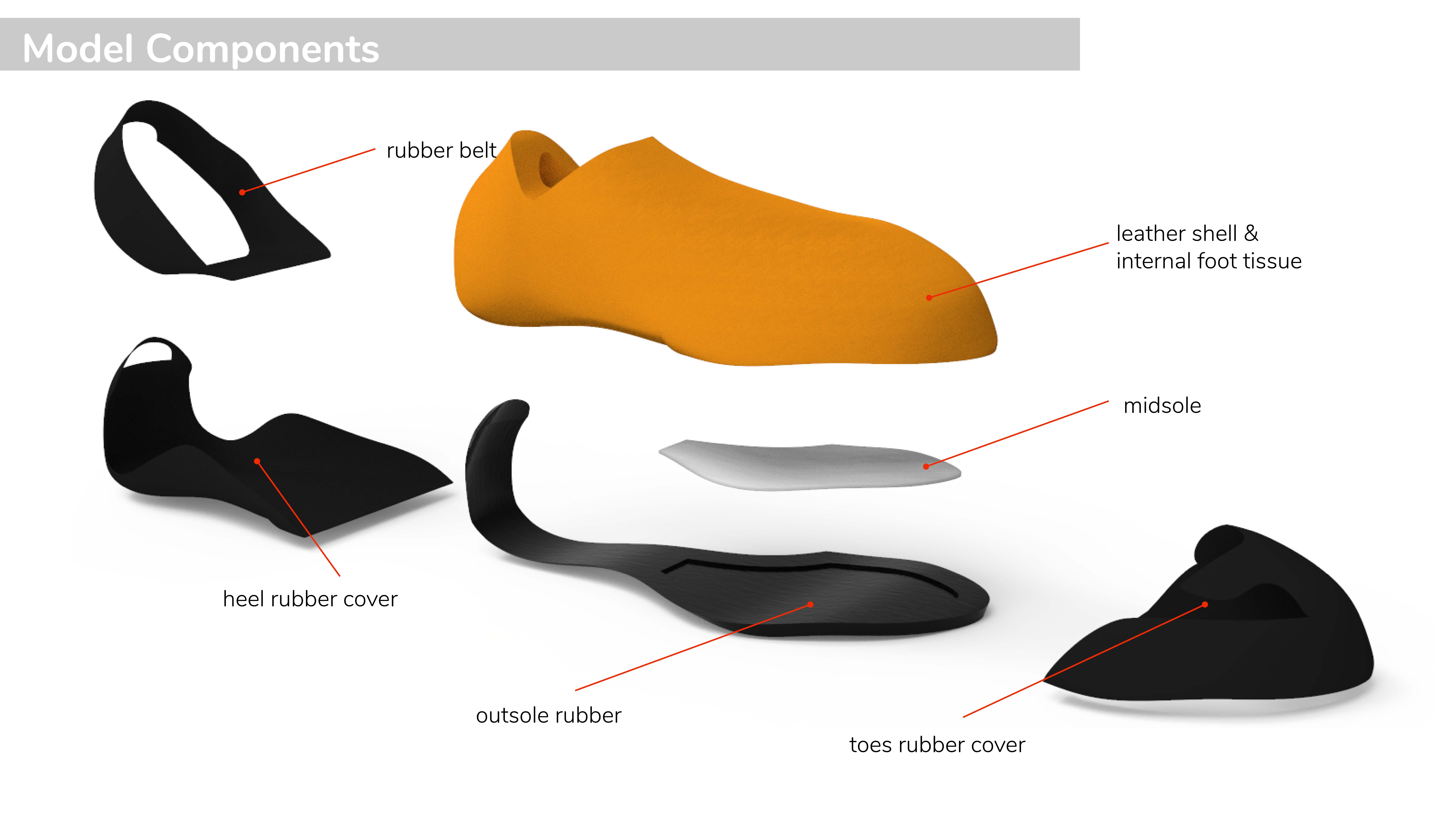
The FEA studies only make sense if the materials act like their physical counterparts. I brought back the laminated diagrams from the previous site, annotated them with durometer and modulus values, and mapped every layer to temperature-dependent material cards.
- Captured five rubber compounds and two textiles with uniaxial test data.
- Inserted ventilation, tension straps, and the toe patch as discrete contact bodies.
- Added instrumentation windows for strain gauges, mirroring the original documentation.
Load cases & solving strategy
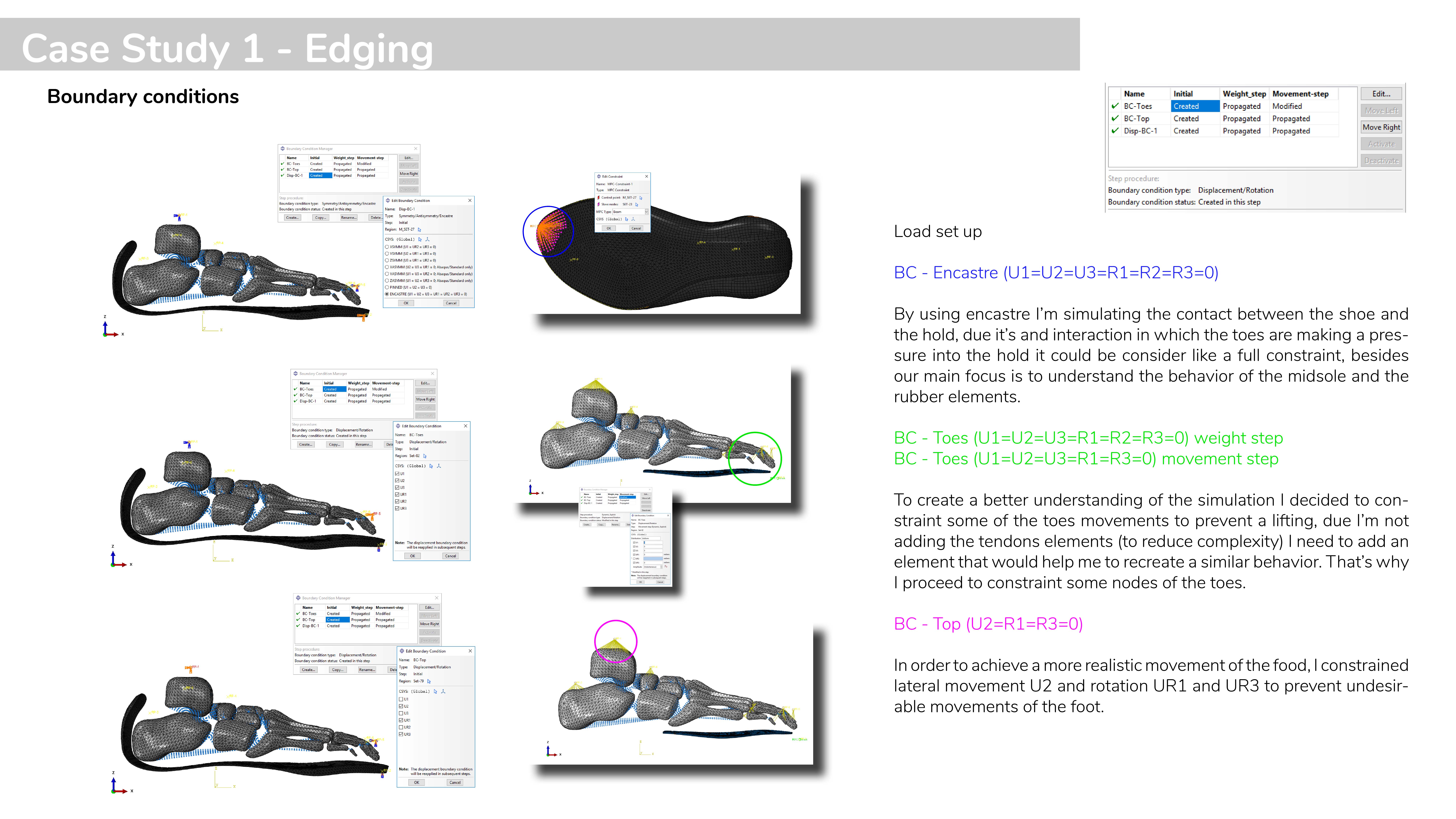
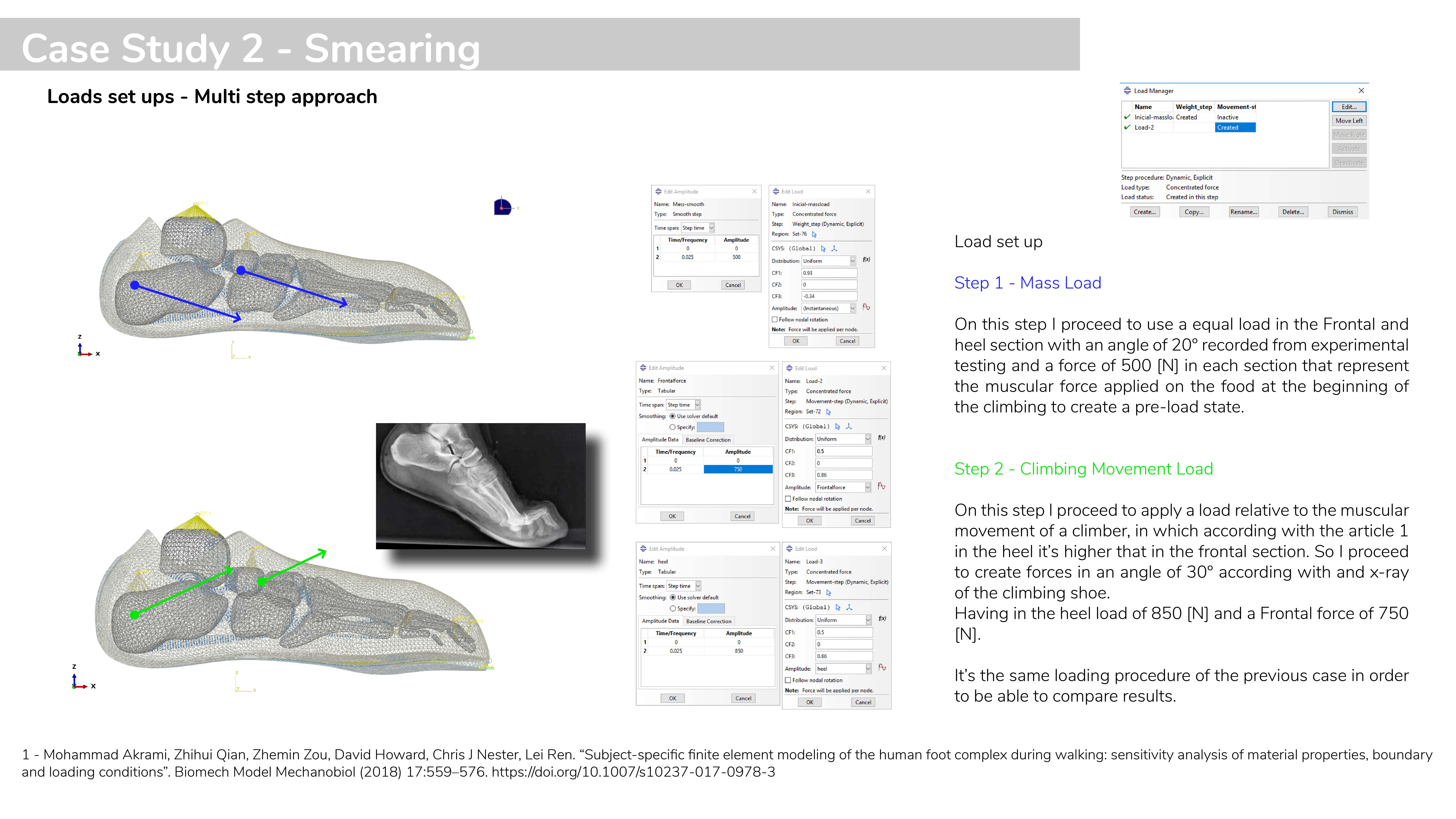
The legacy workflow alternated text and imagery to explain the different boundary conditions. I restored that approach by splitting the solving strategy into toe-hook, smear, heel-tension, and twist families with callouts that link directly to their plots.
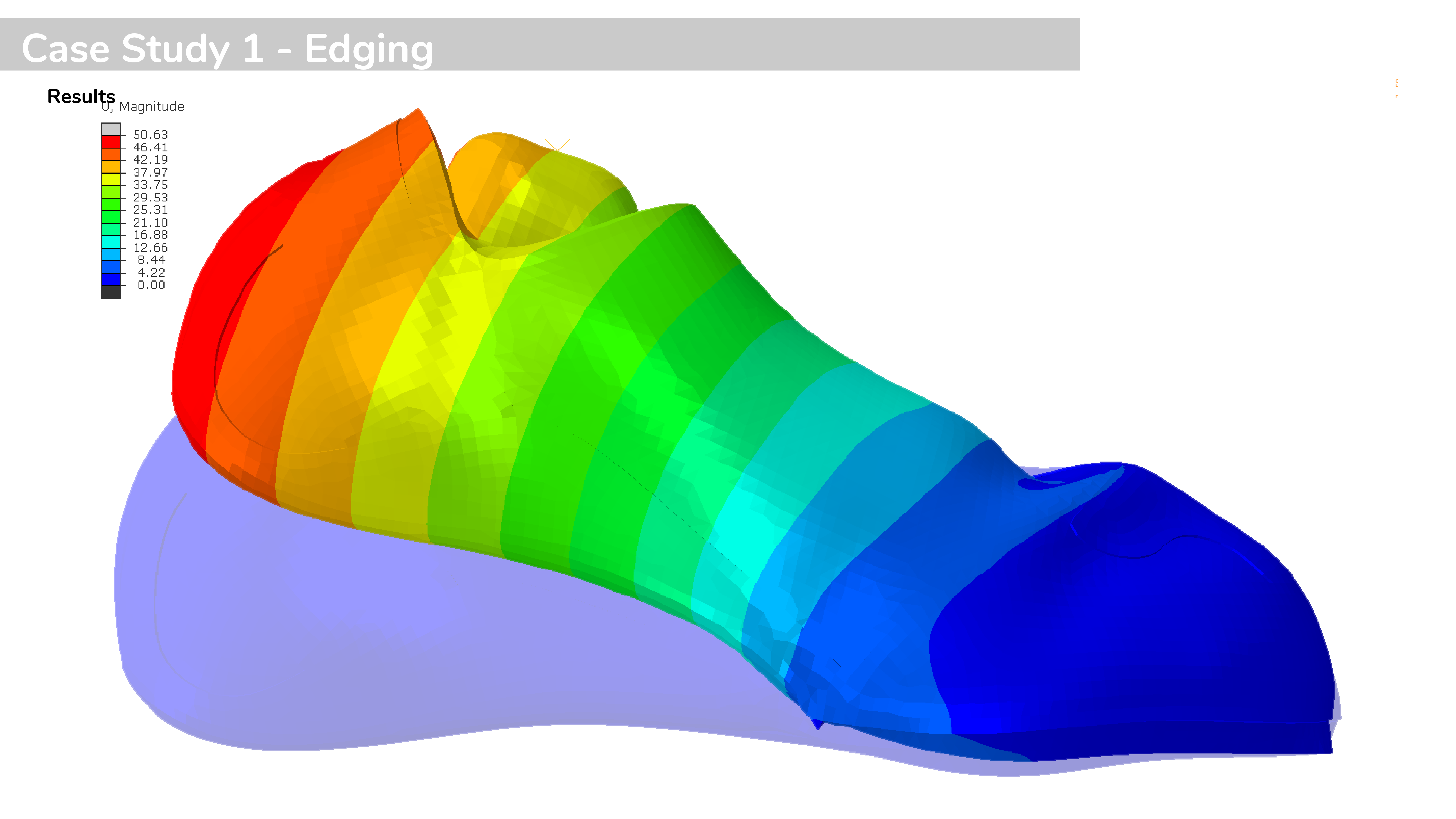
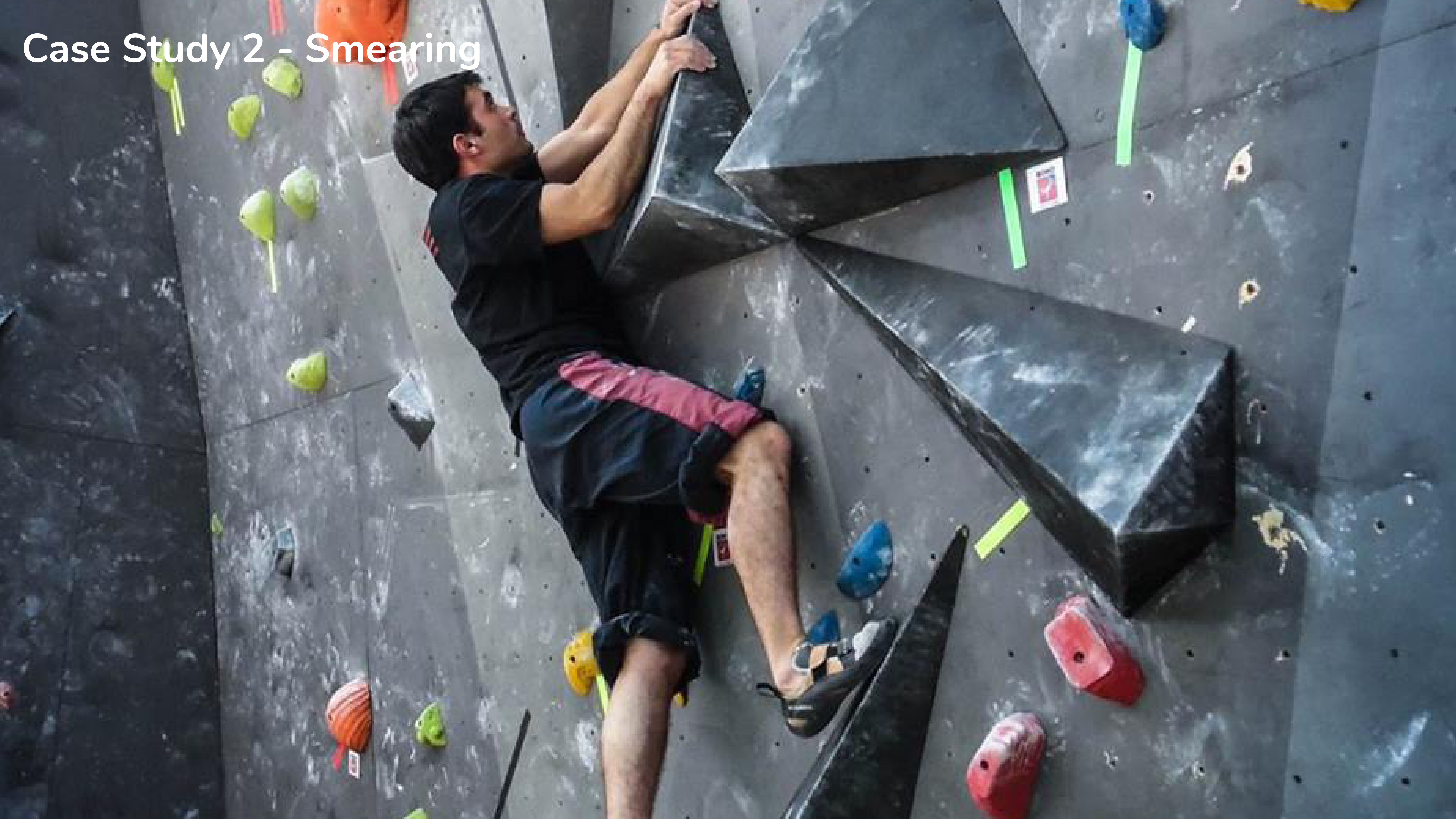
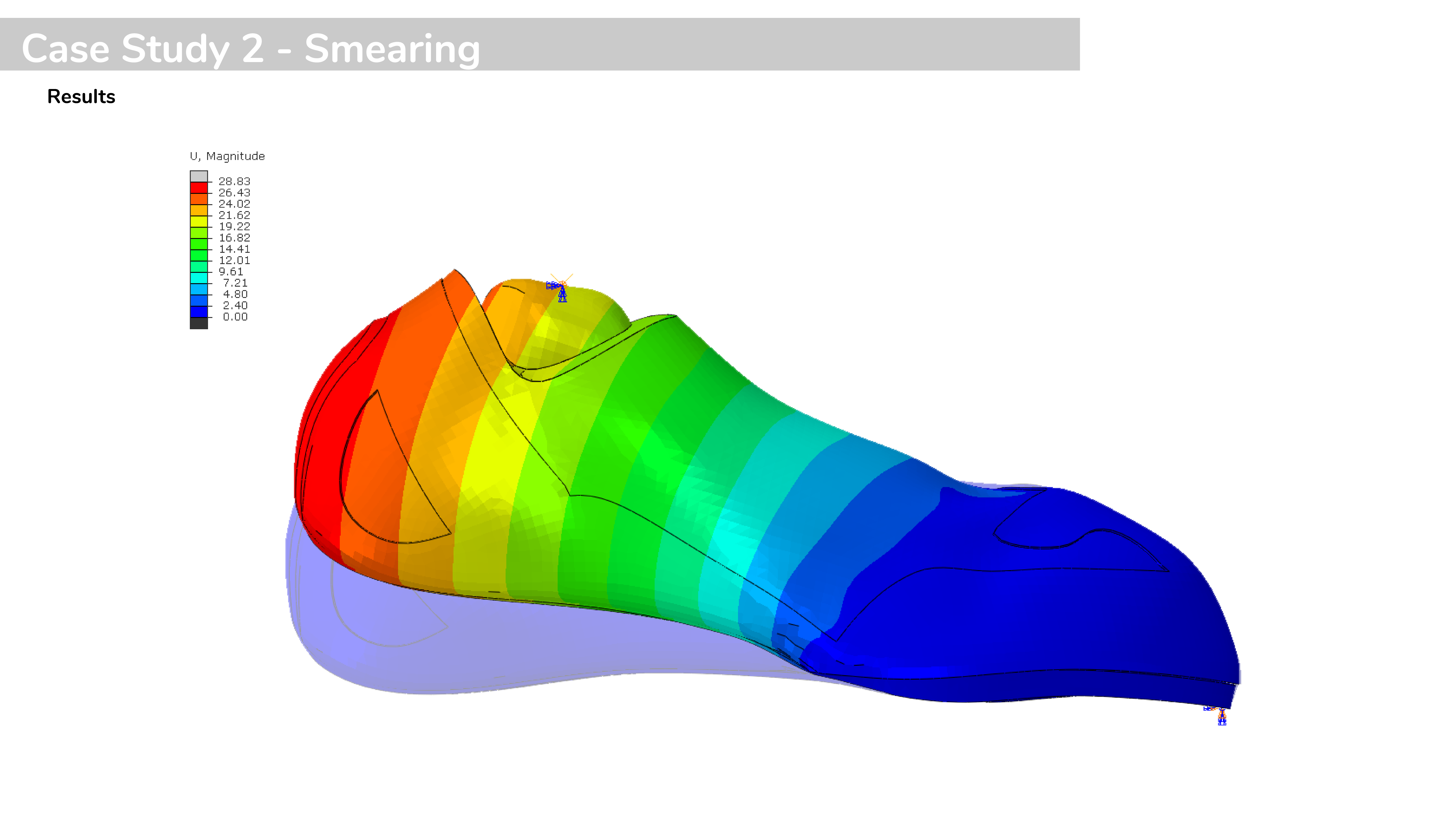
- Toe and smear loads: 1.5-2.0 kN applied at the big toe and medial forefoot.
- Heel tension: strap tightening plus opposing shear on the heel cup.
- Twist: counter-rotating forefoot/heel to stress perforation patterns.
Design experiments
With the full workflow restored, the story once again alternates between explanations and visuals. Each experiment pairs narrative text with a render or sim snapshot so the reader can follow the evolution of the shoe.
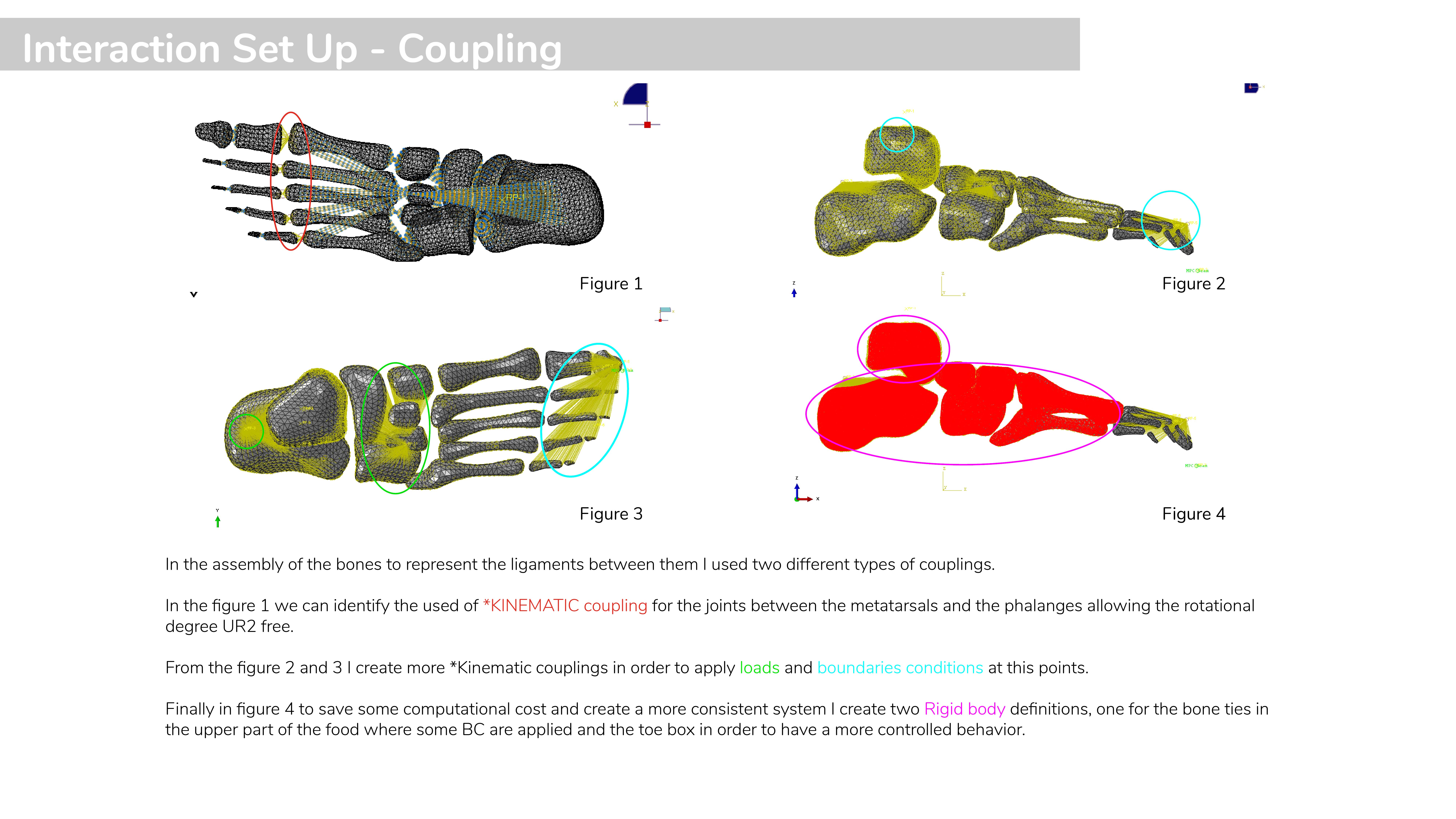
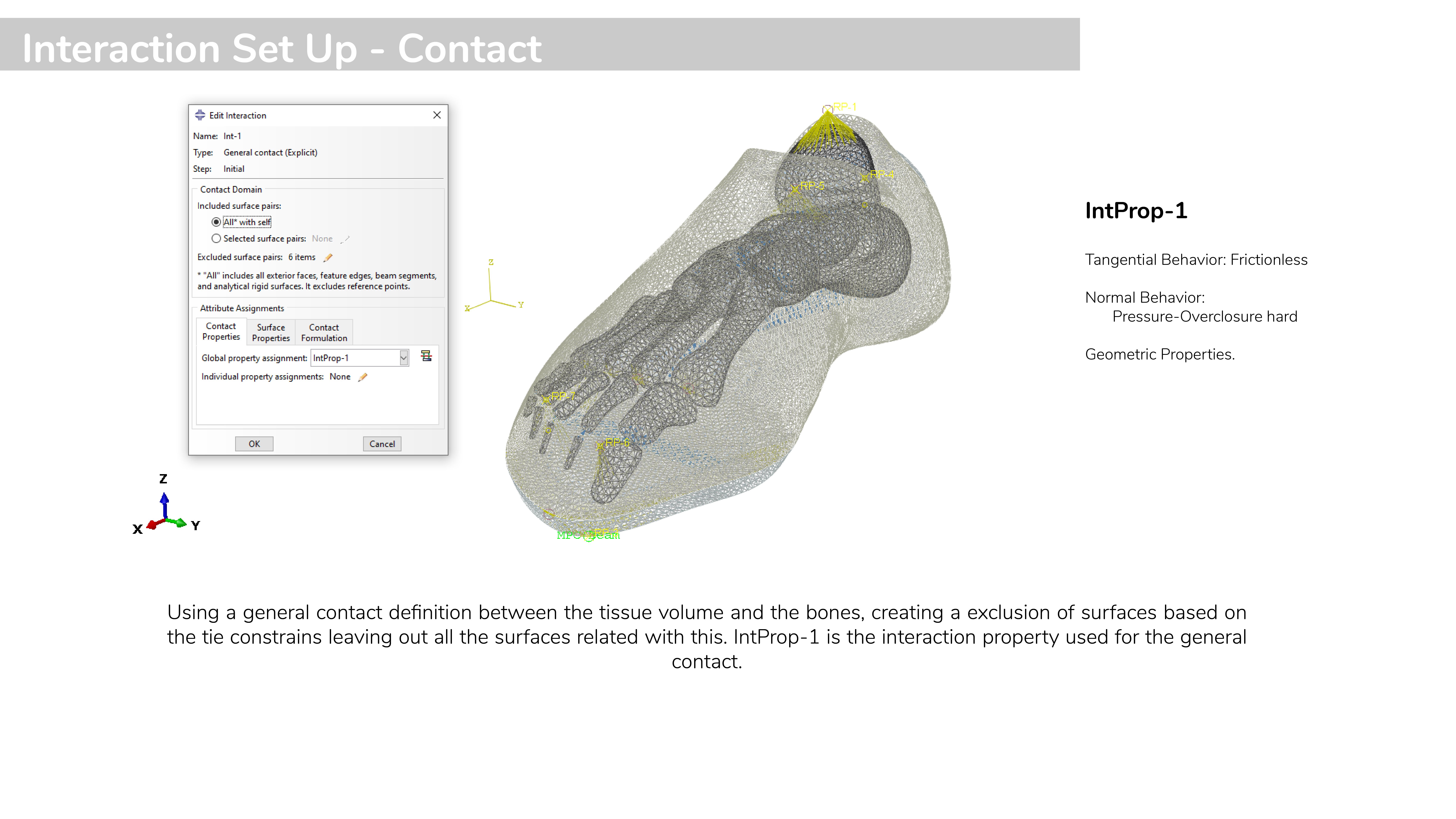
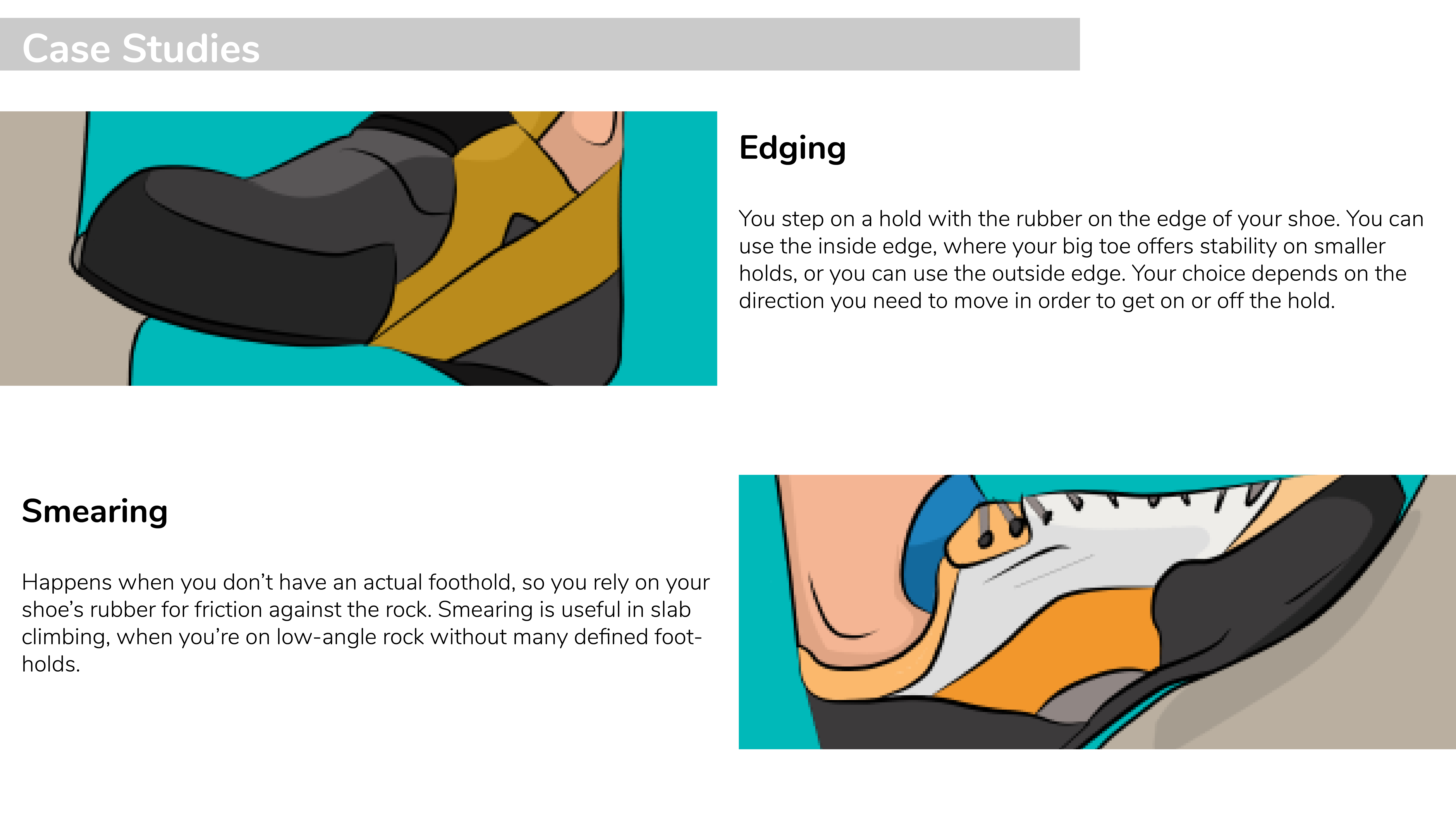
Carrying the mix of text and imagery down the page makes it easier to skim while still retaining the technical depth from the previous version. Readers can pick a single tile to expand an idea or scroll through the whole workflow.
Simulation gallery
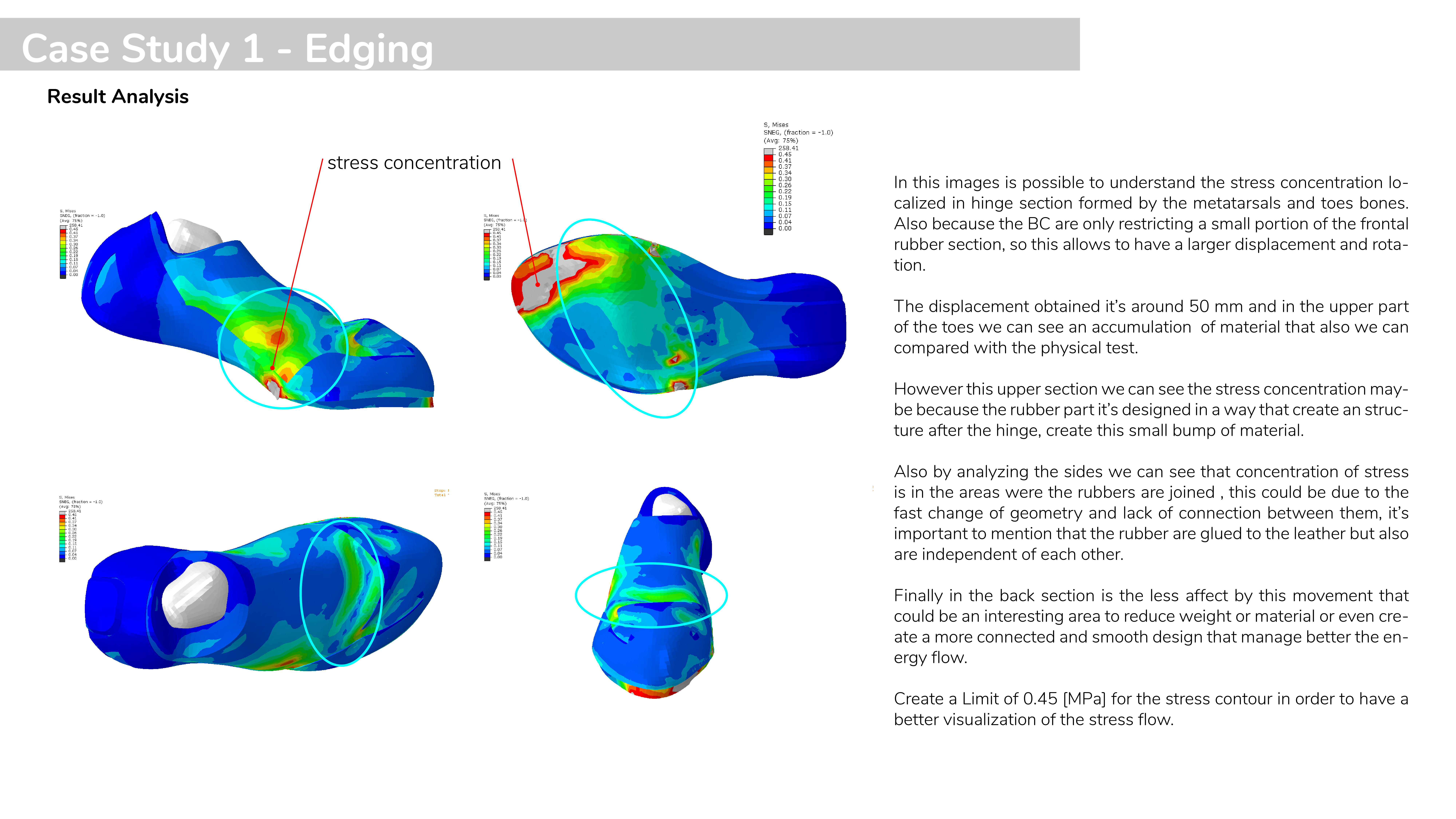
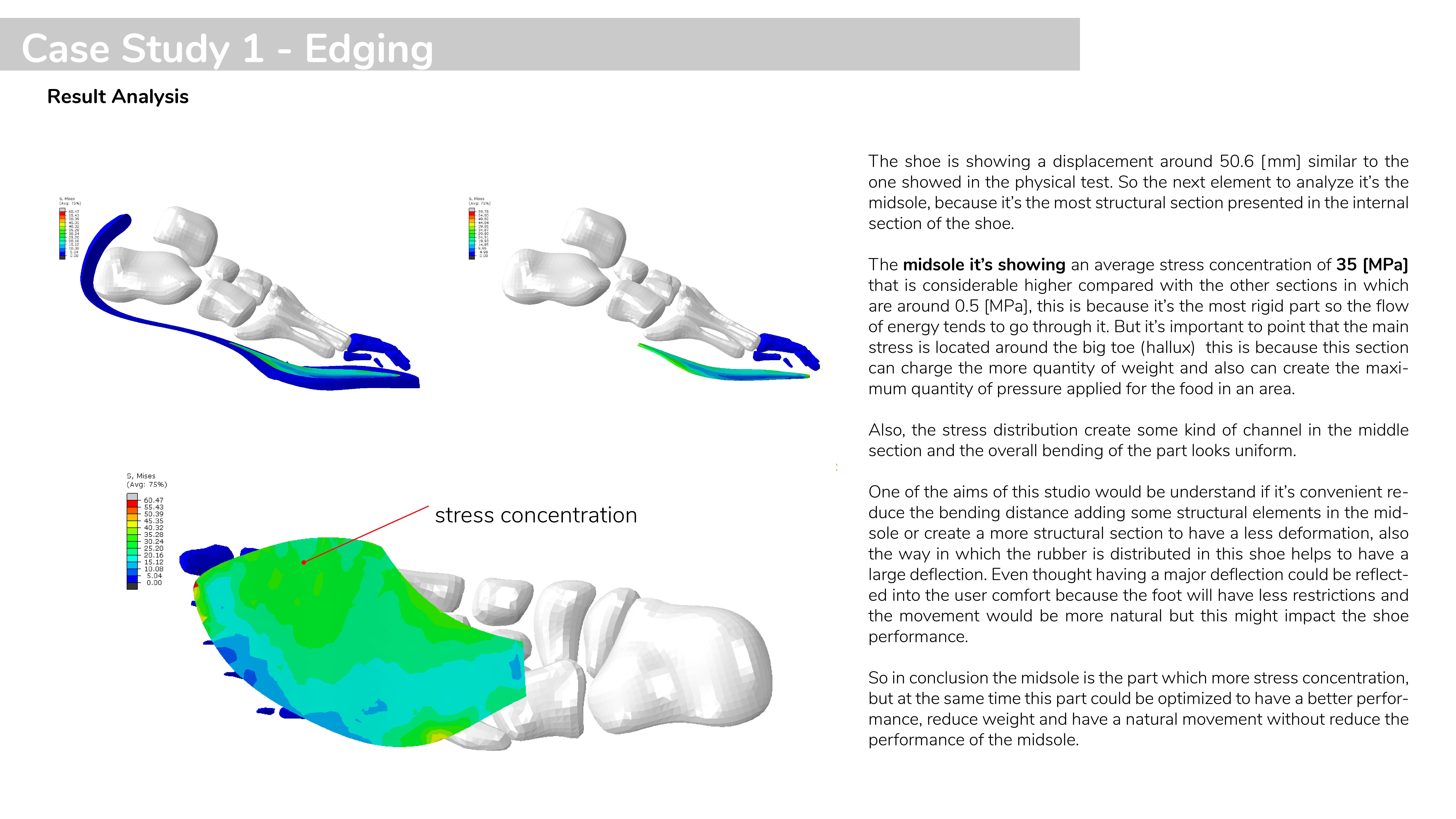
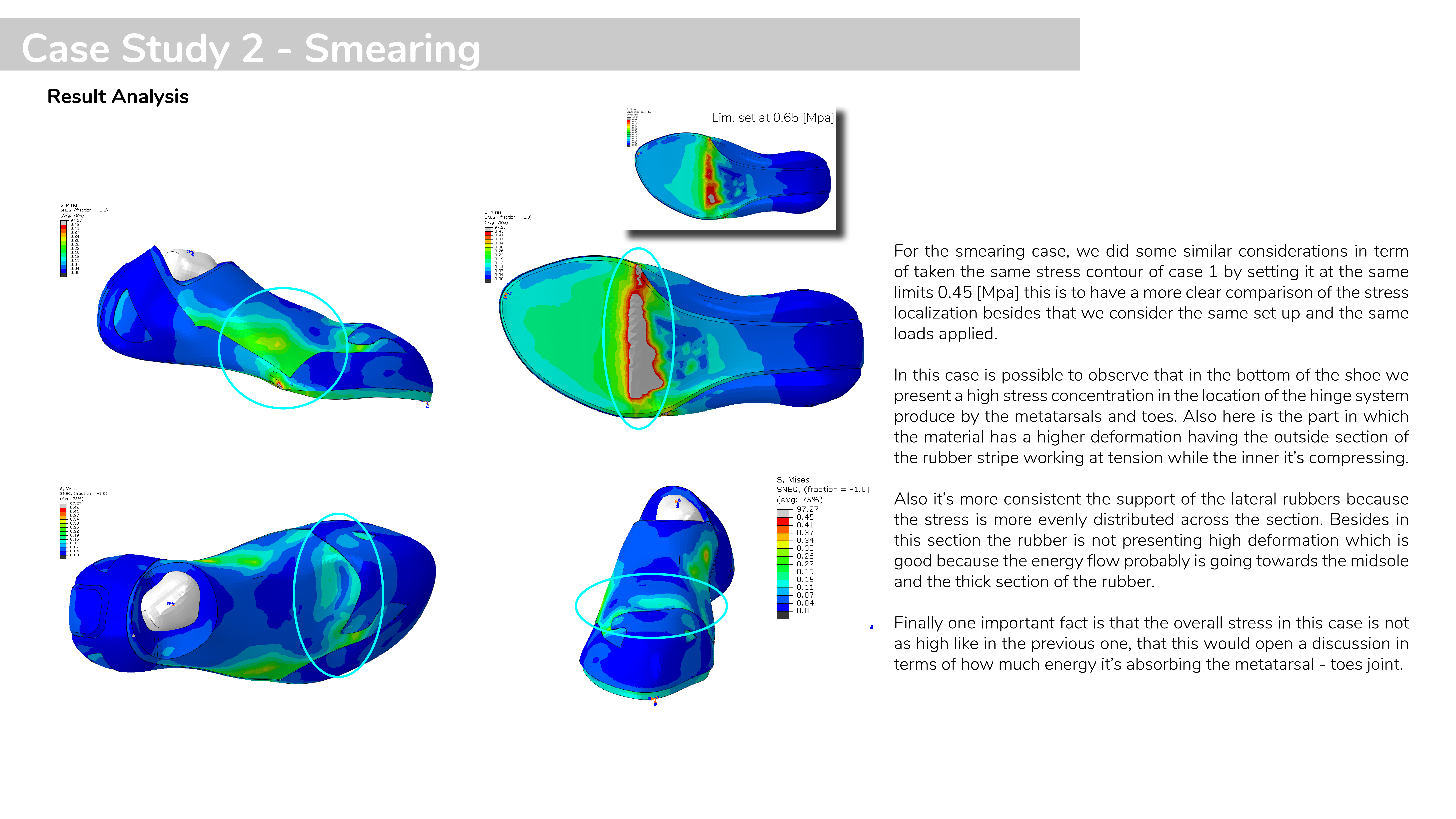
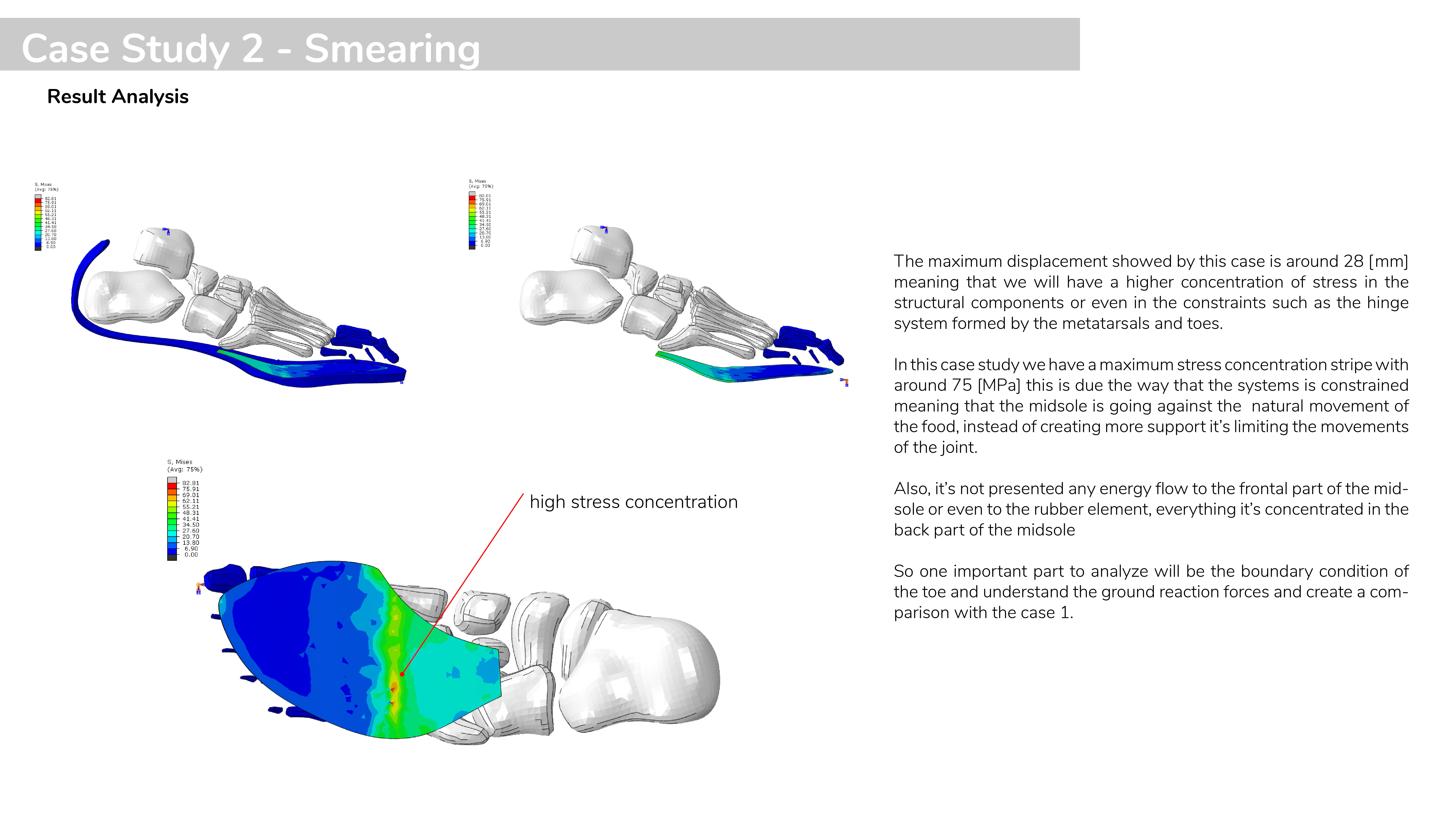
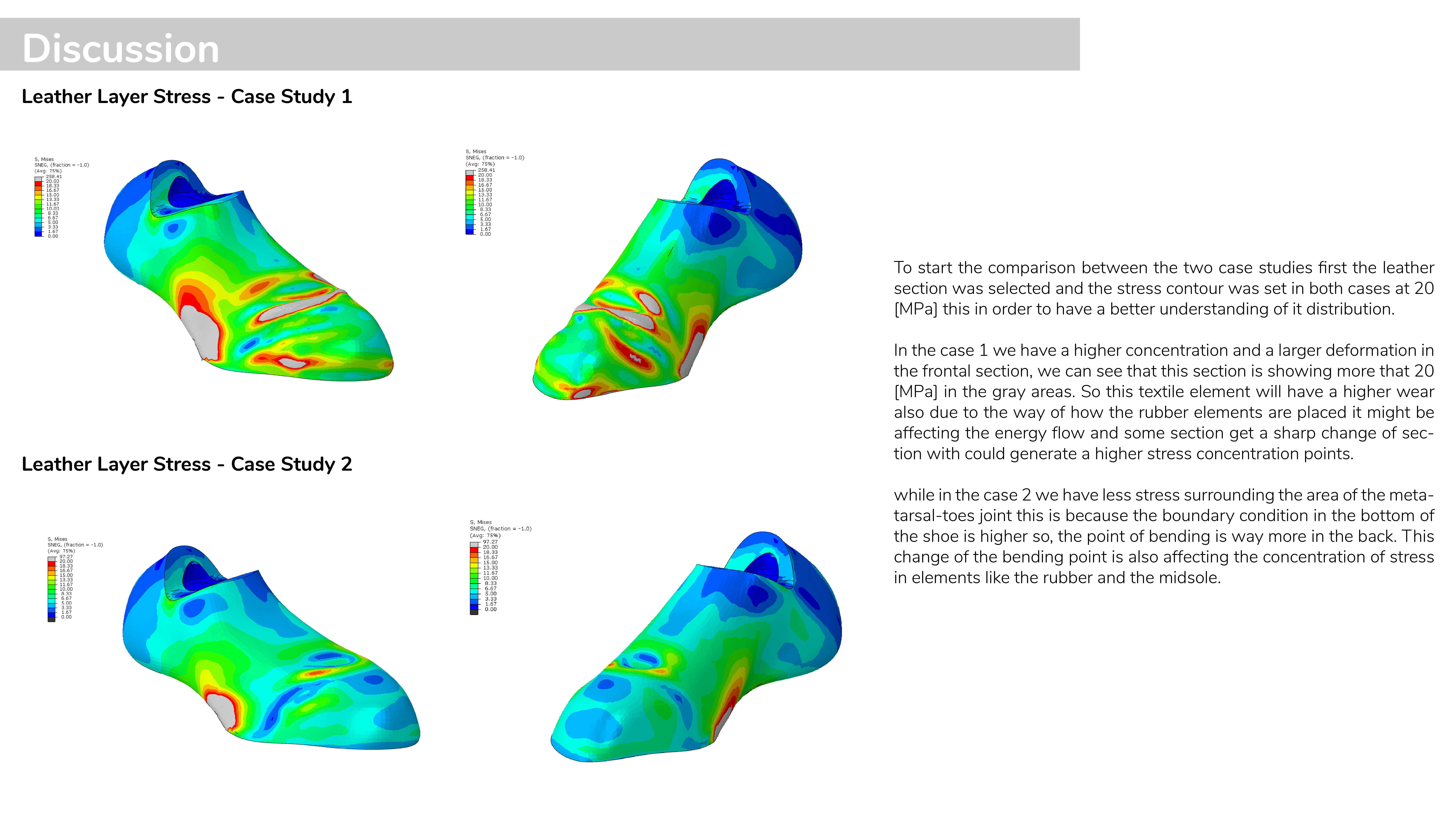
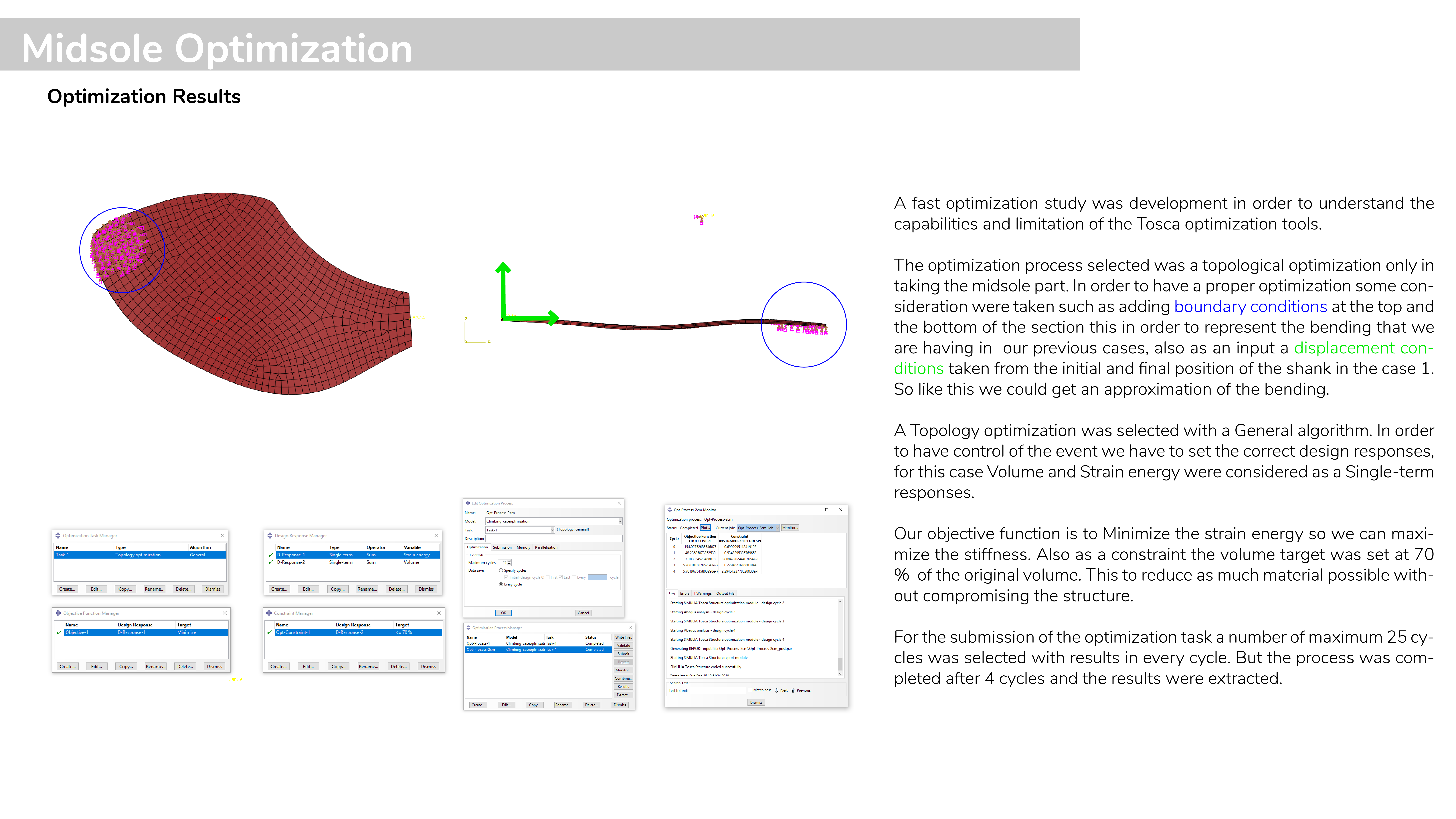
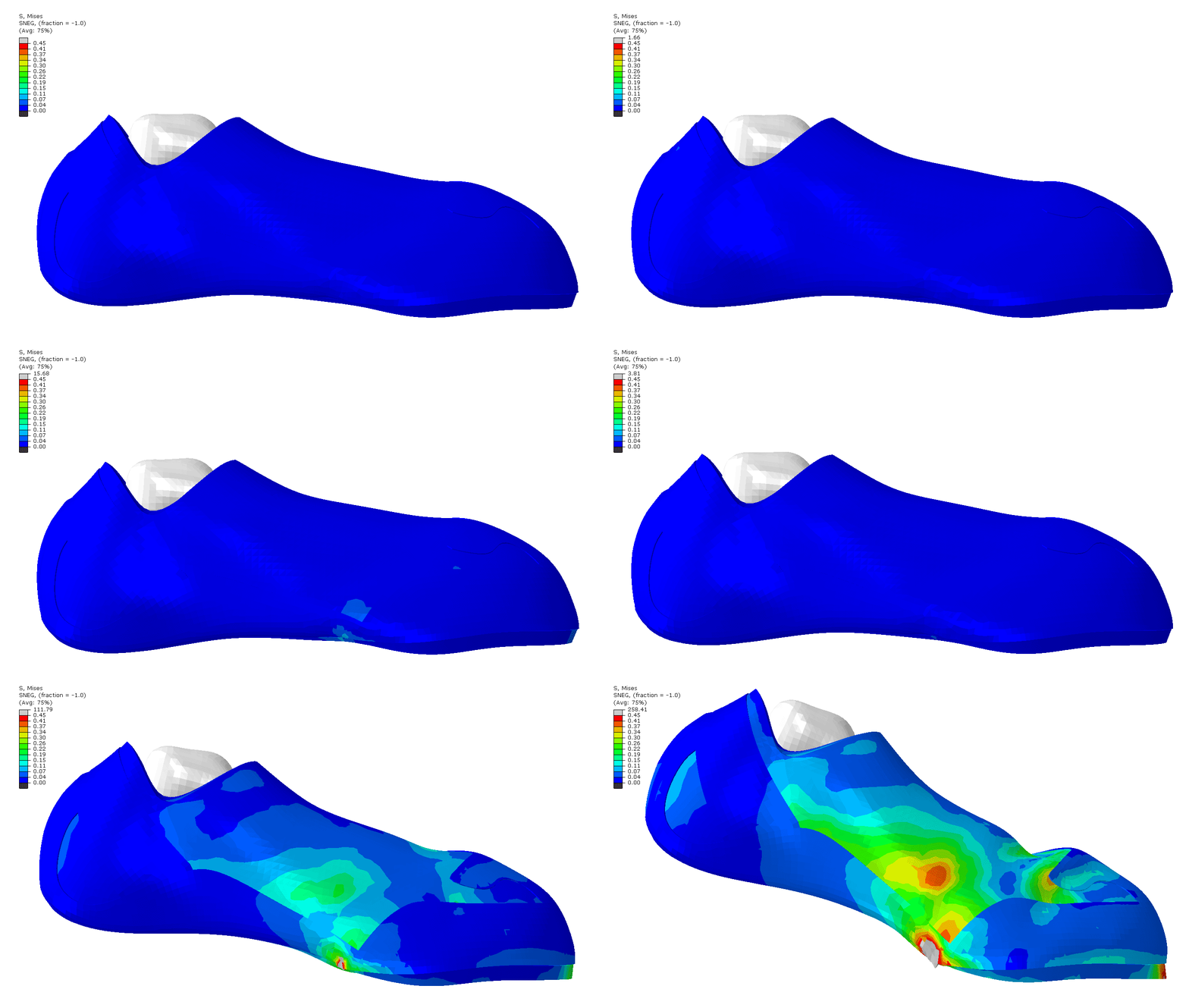
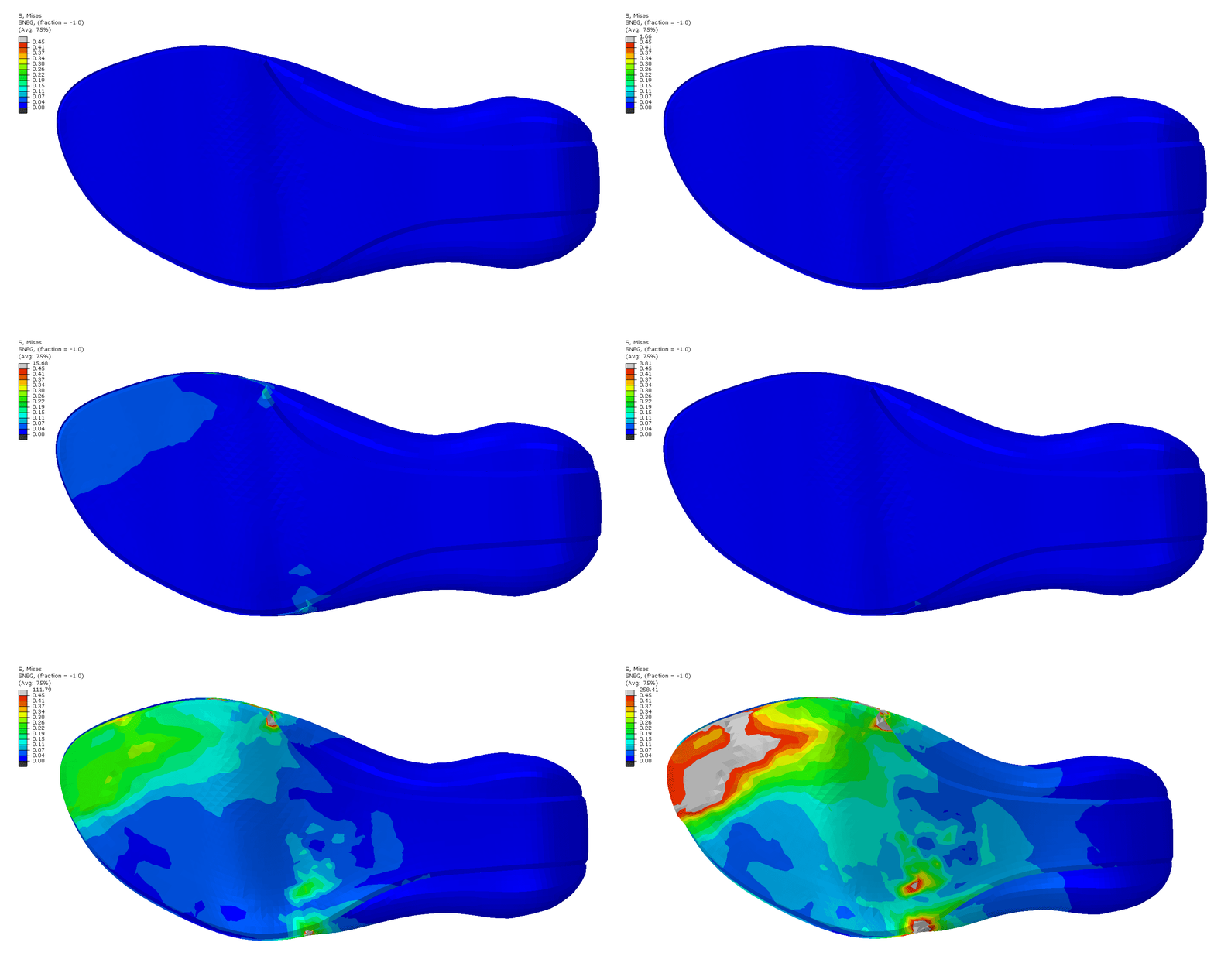
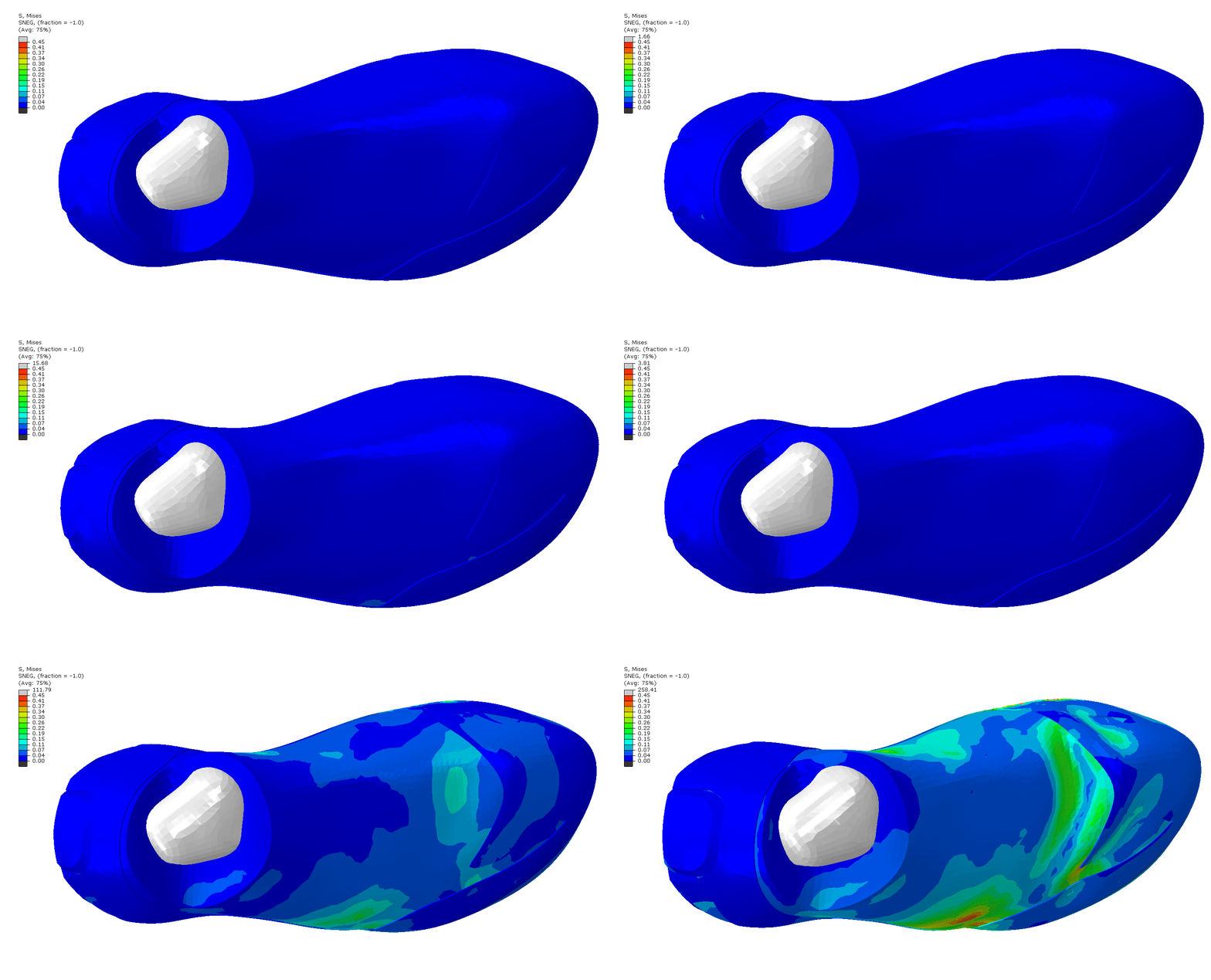
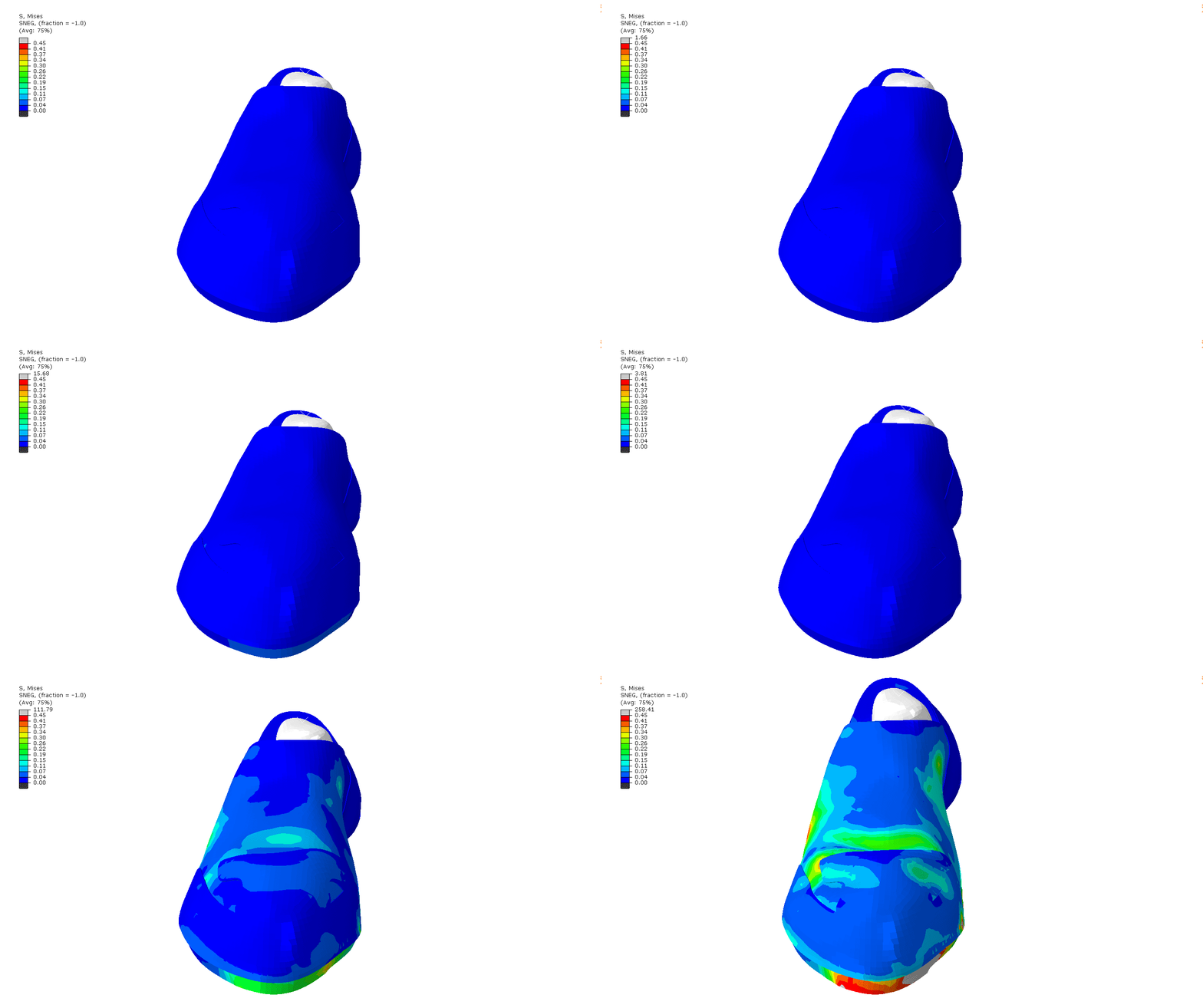
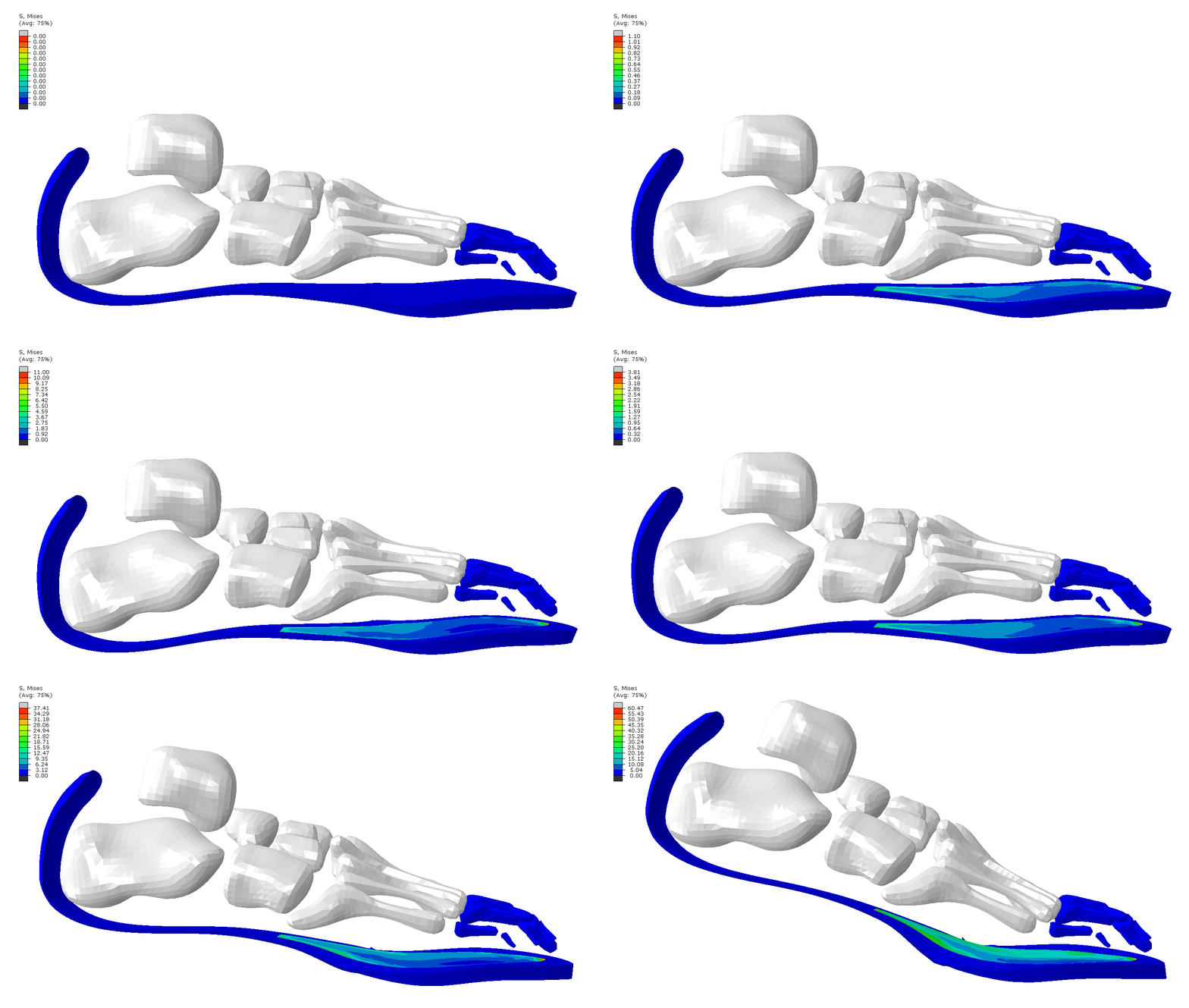
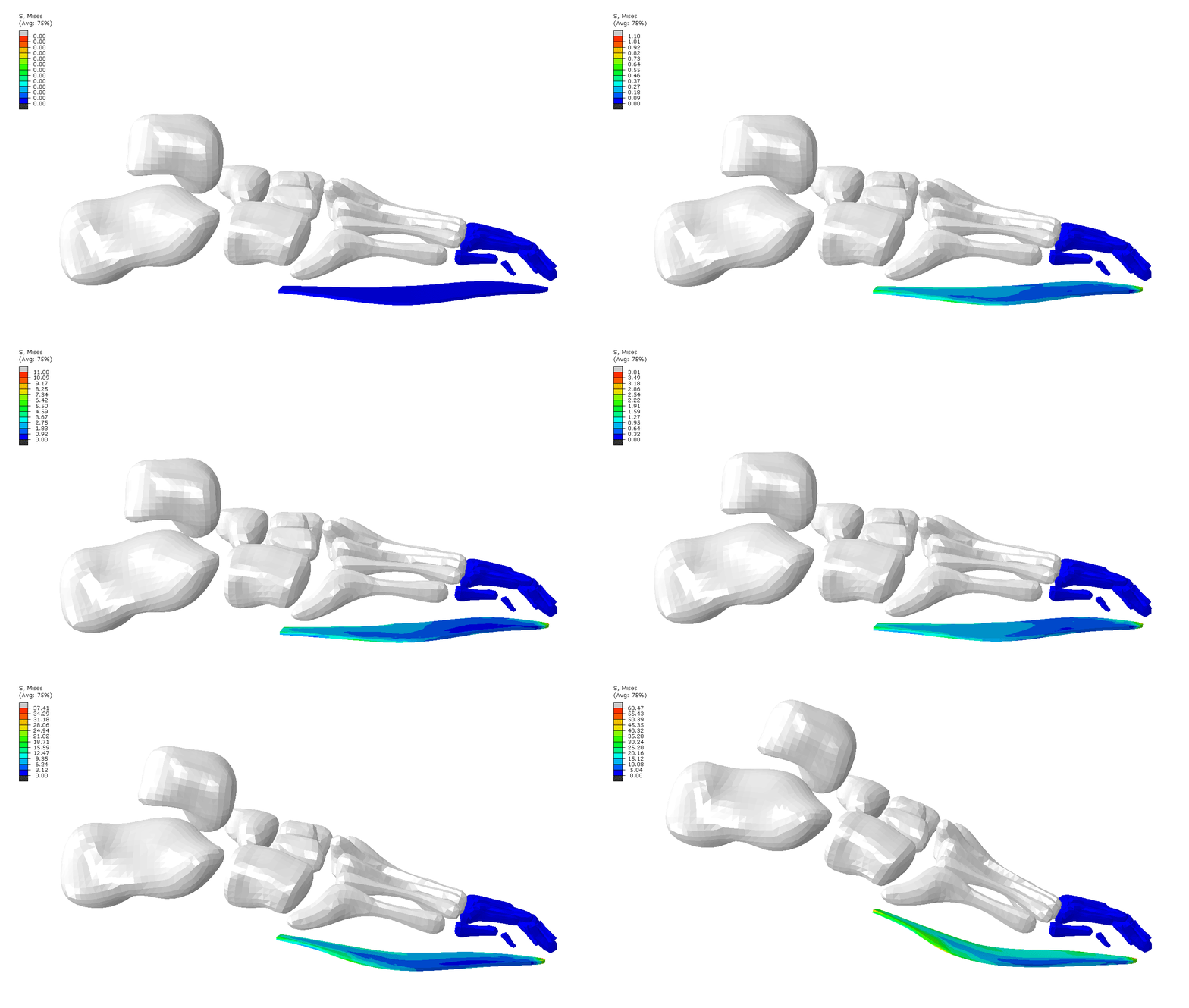
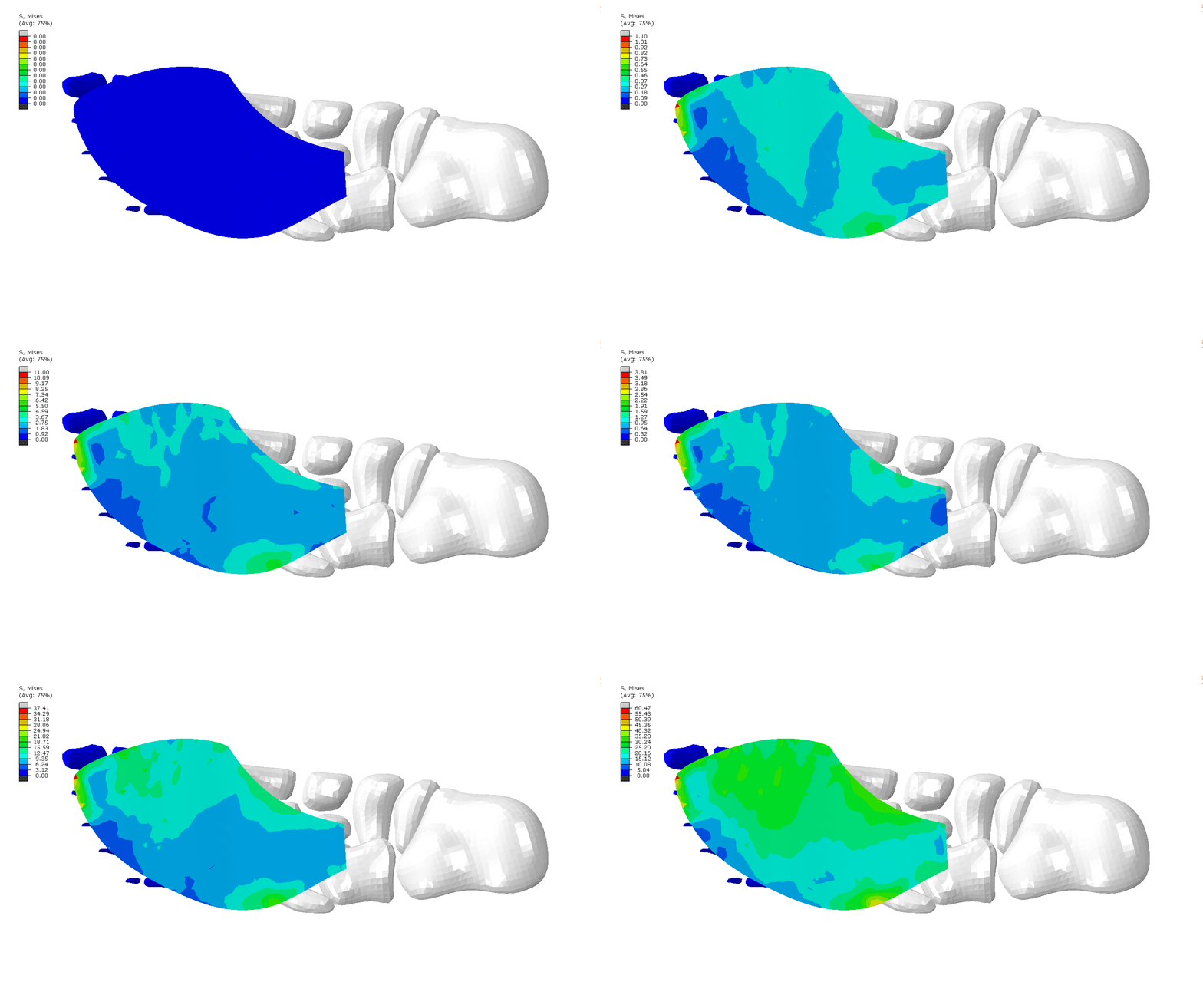
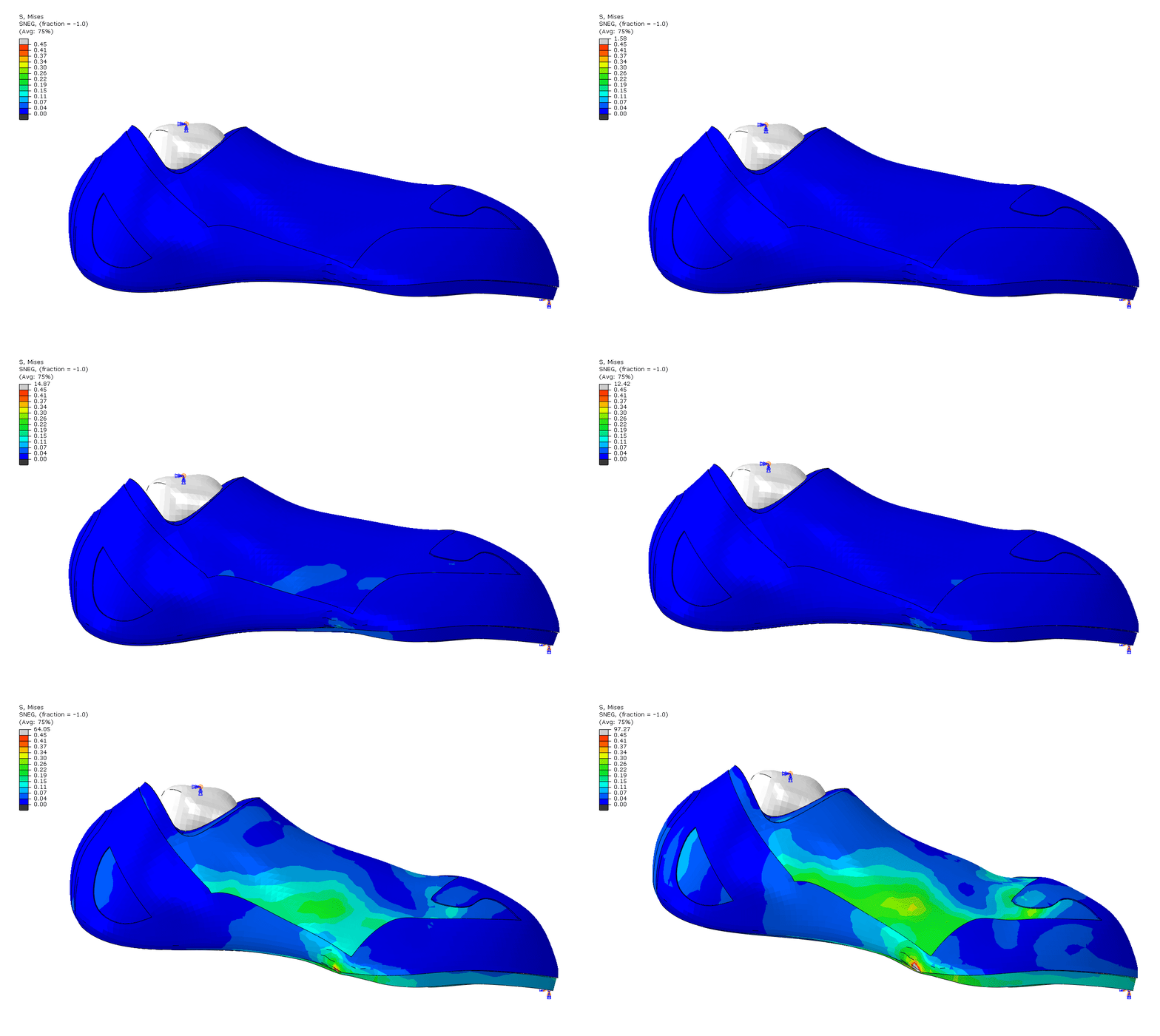
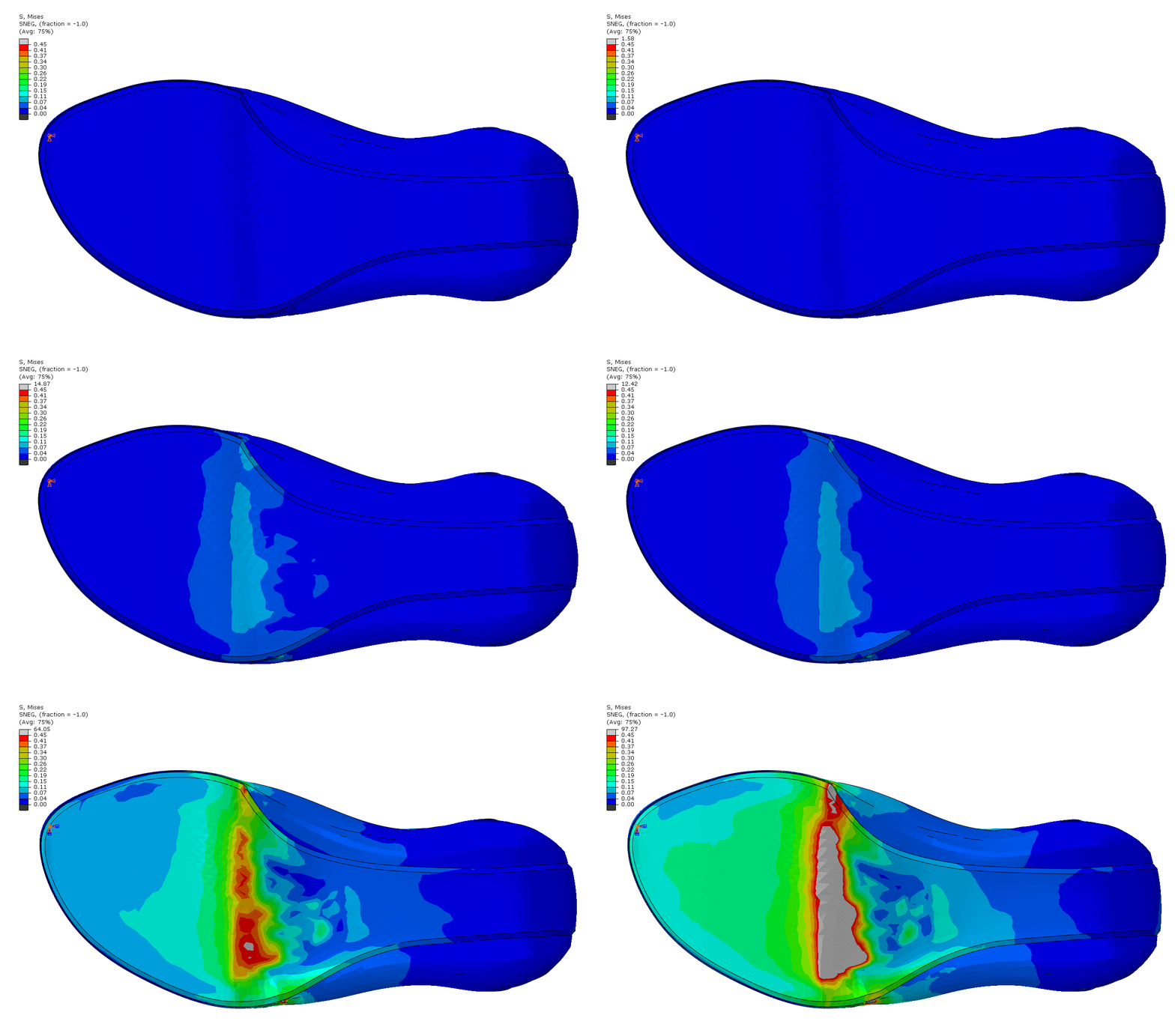
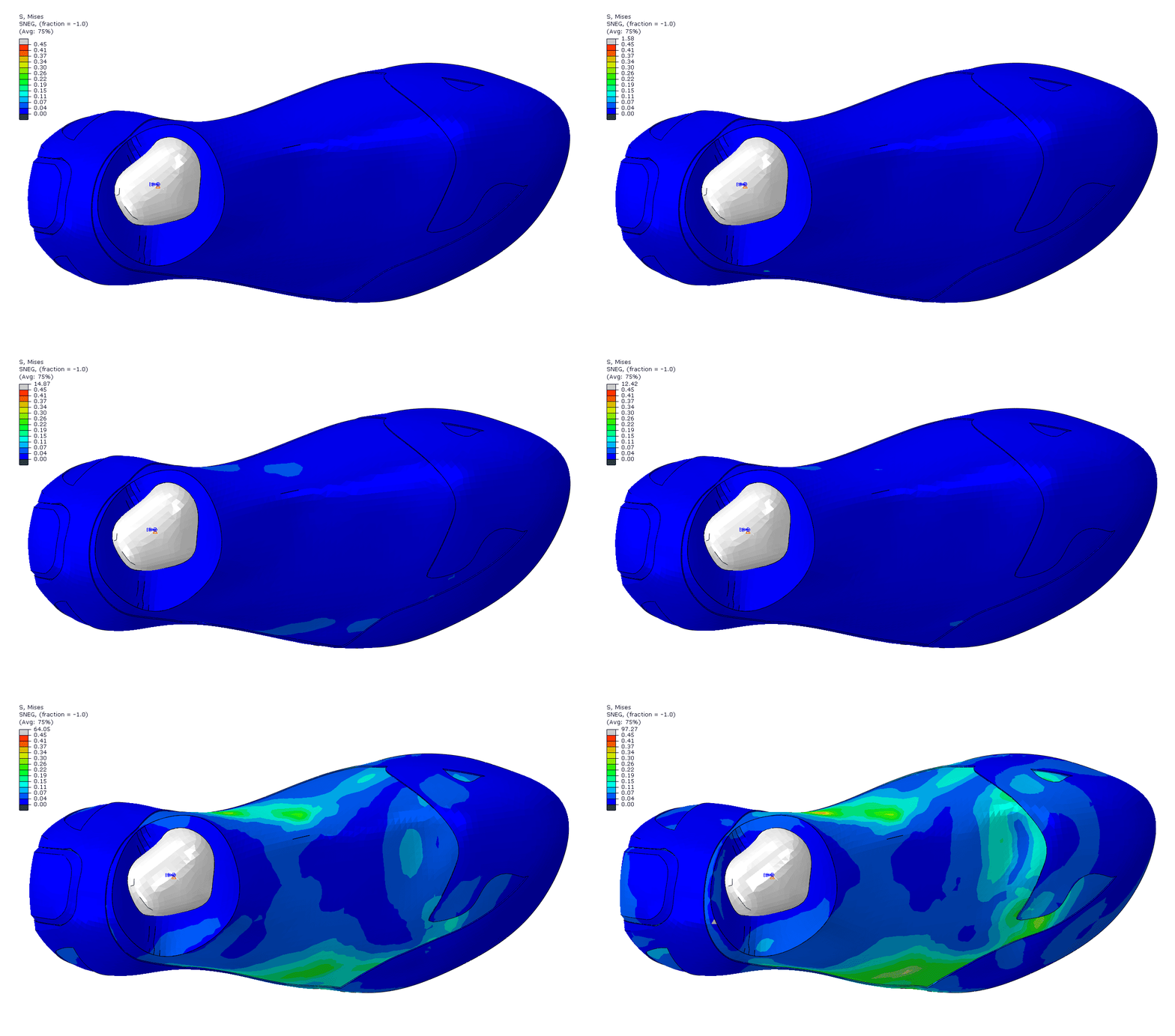
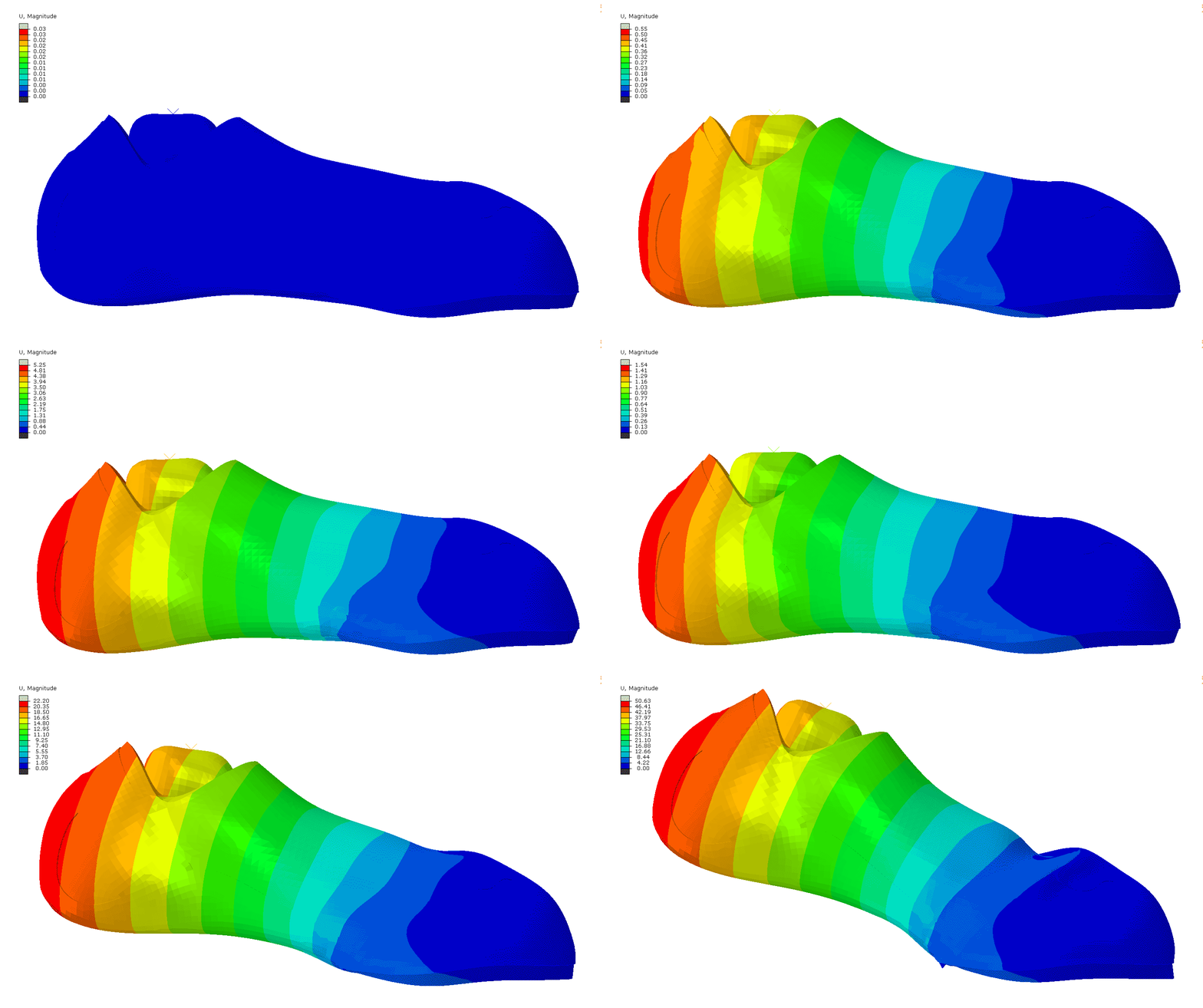
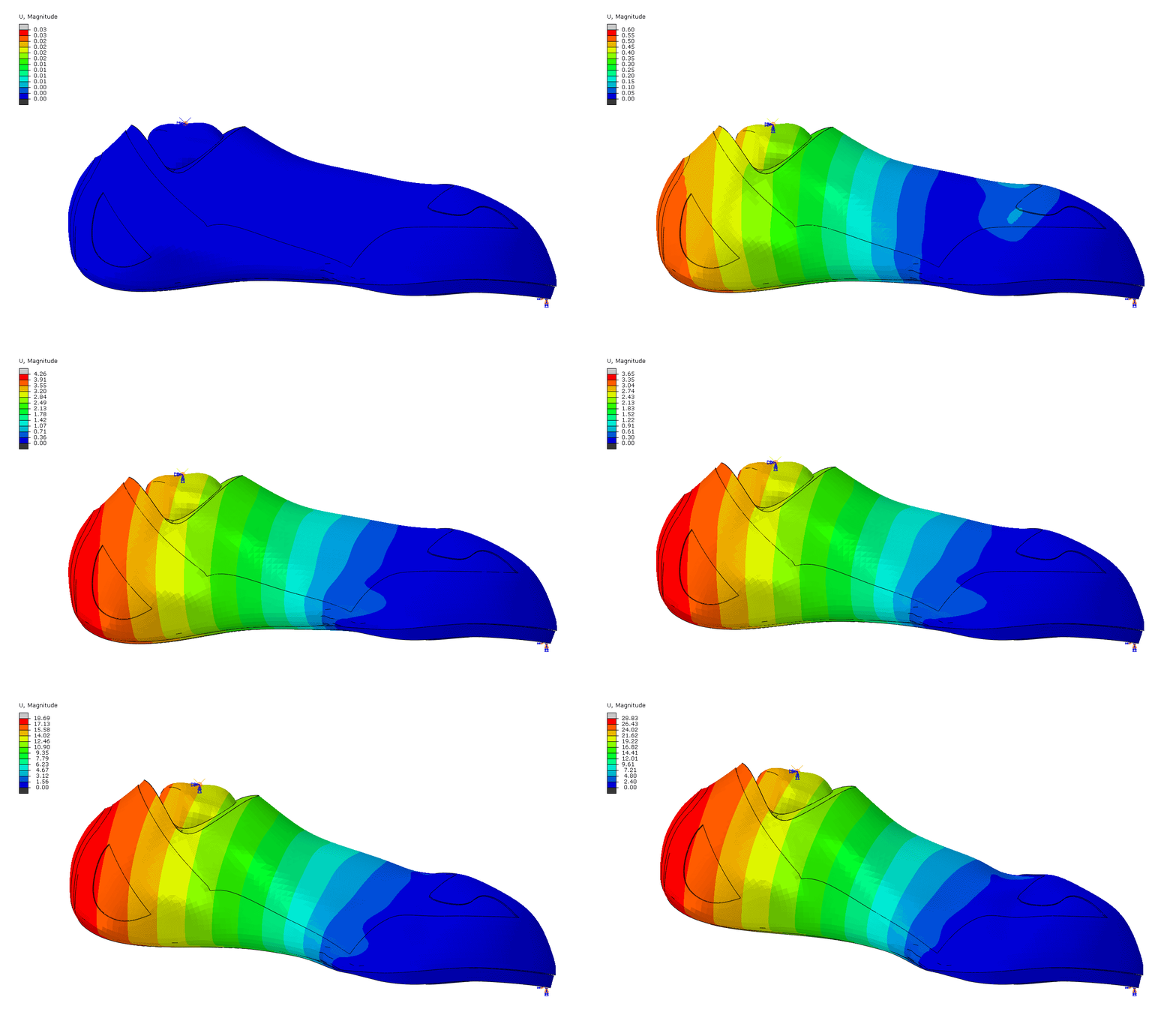
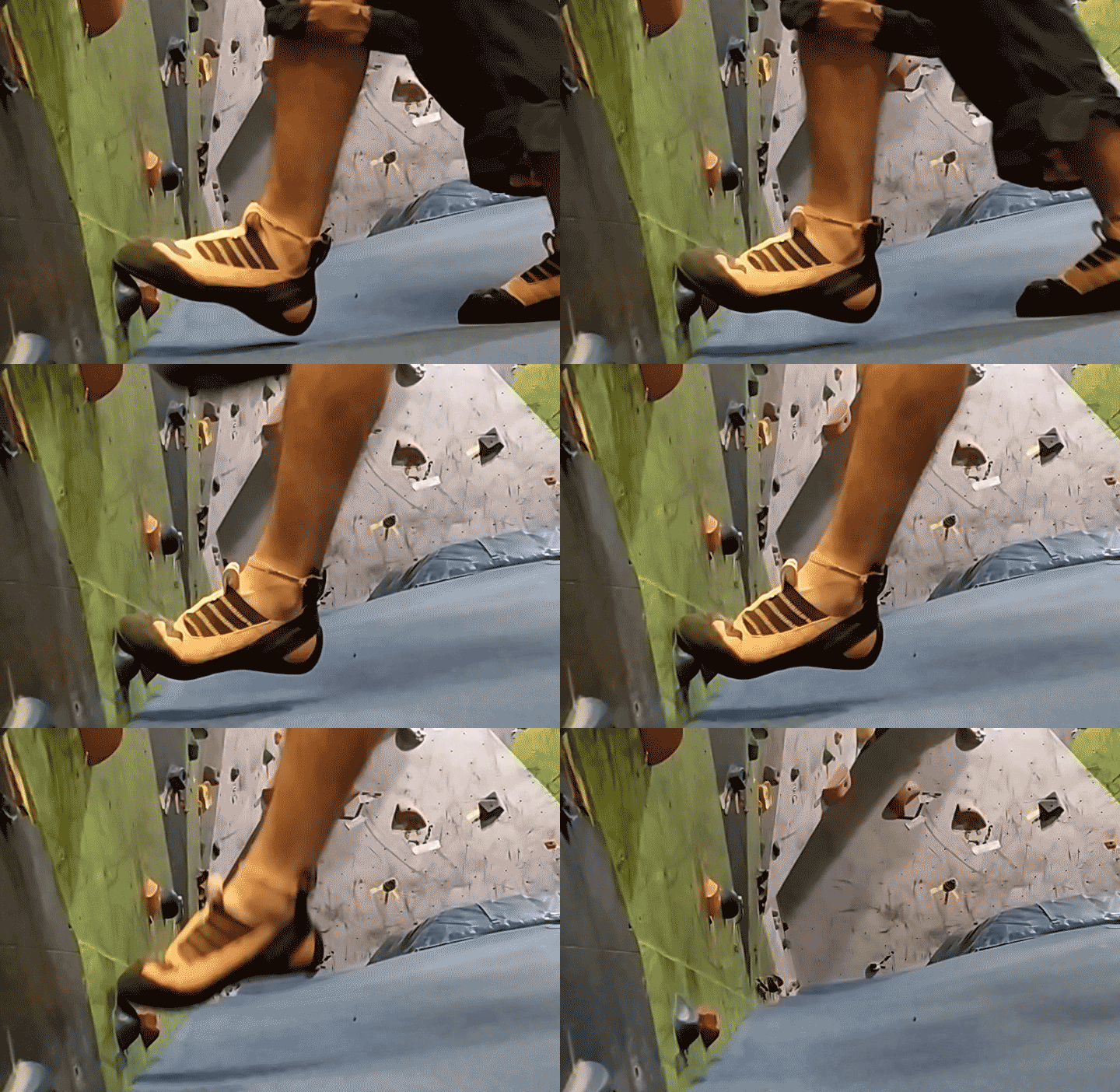
Representative snapshots and GIFs from the Abaqus runs showing stress distribution and deformation across different prototypes. Each clip documents the applied load, material combination, and notes on the resulting ride.
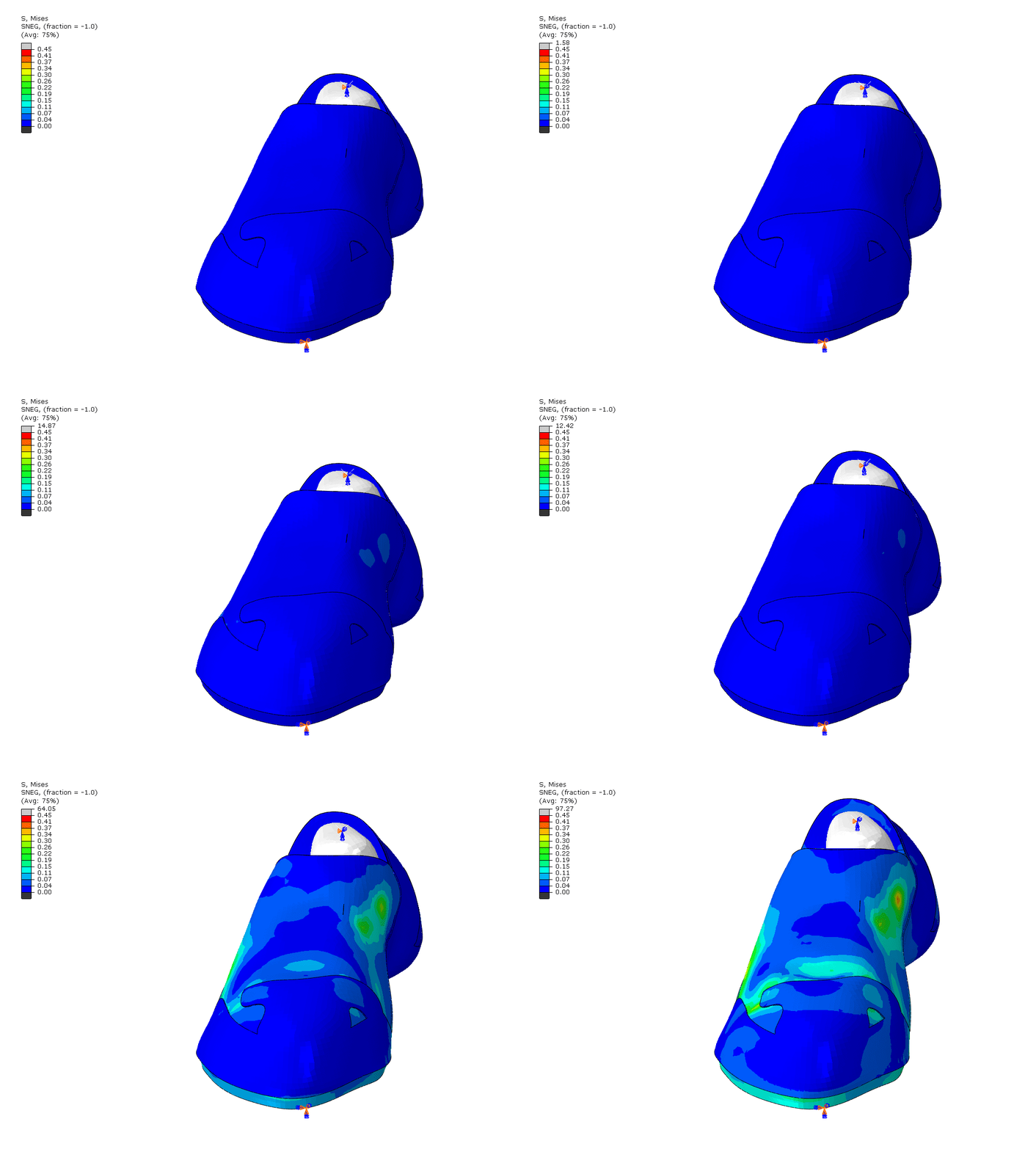
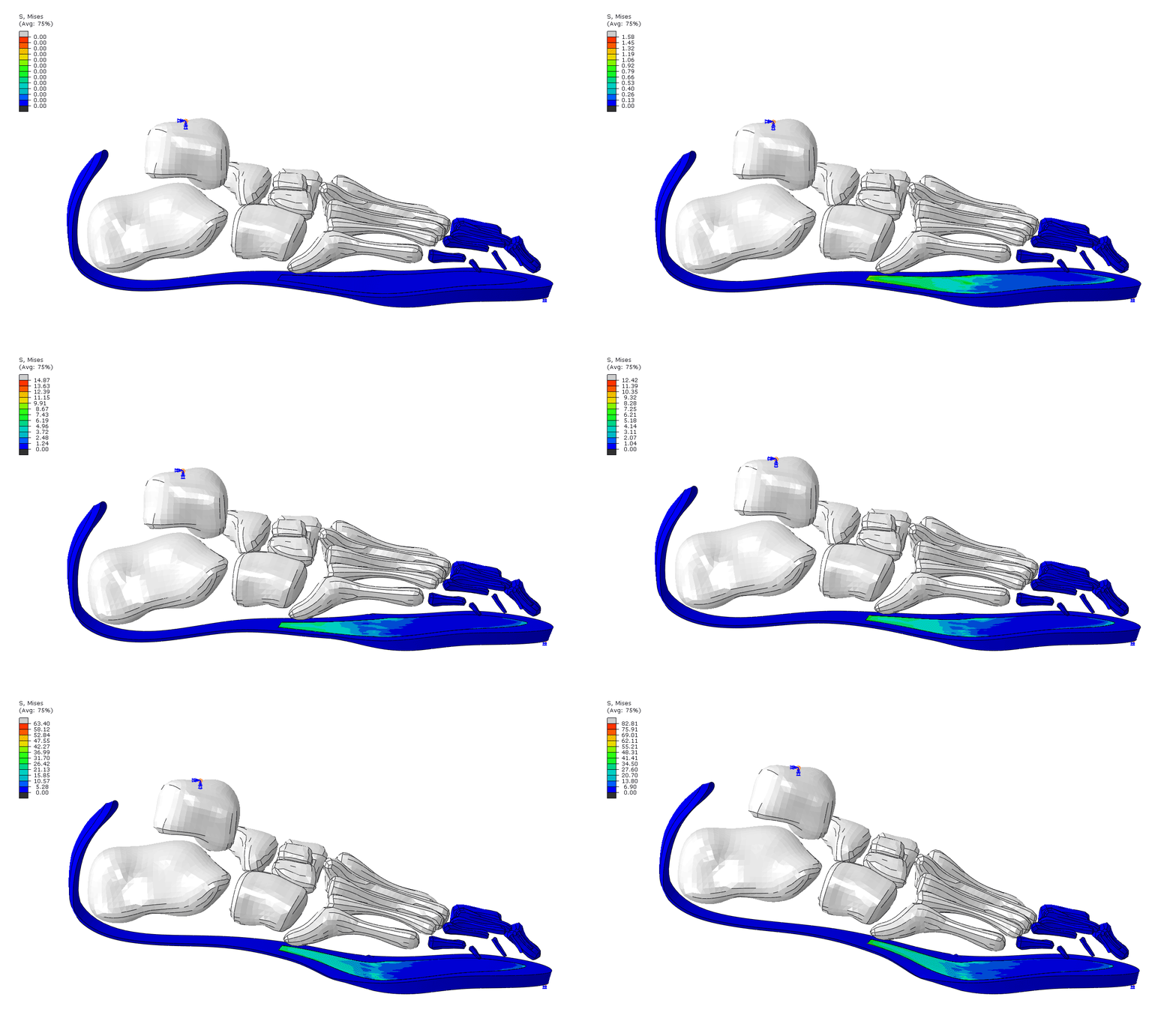
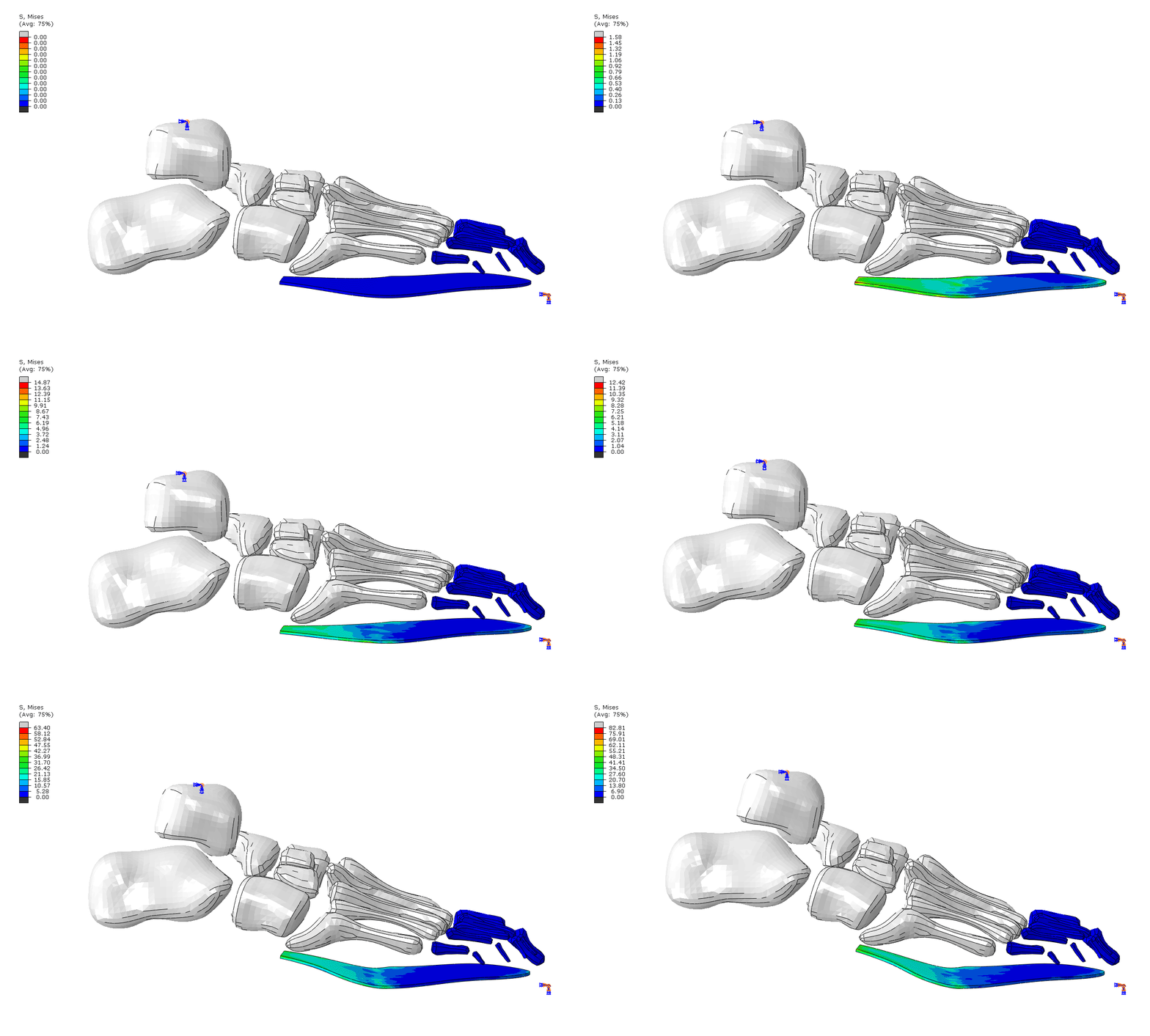
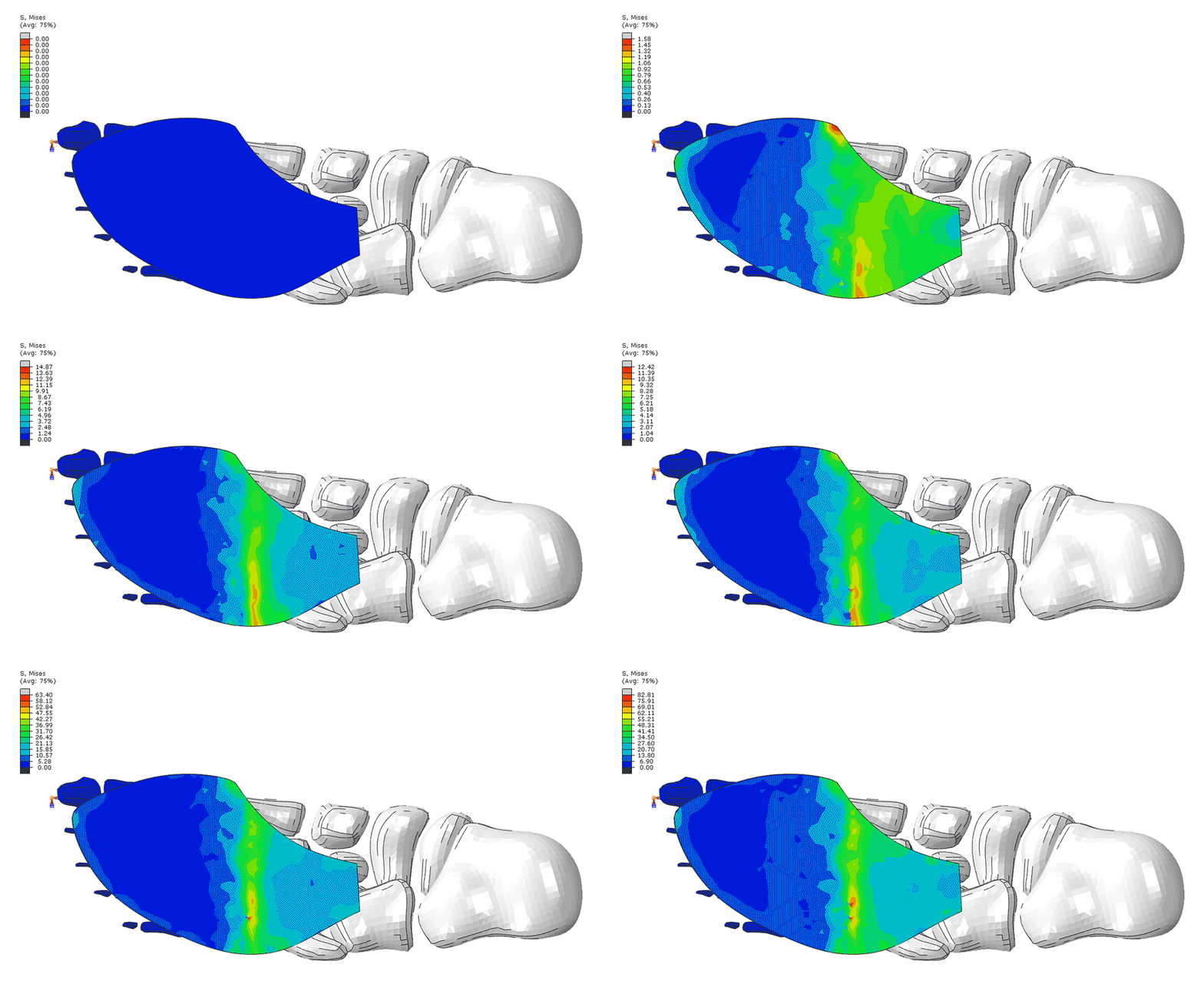
Outcomes
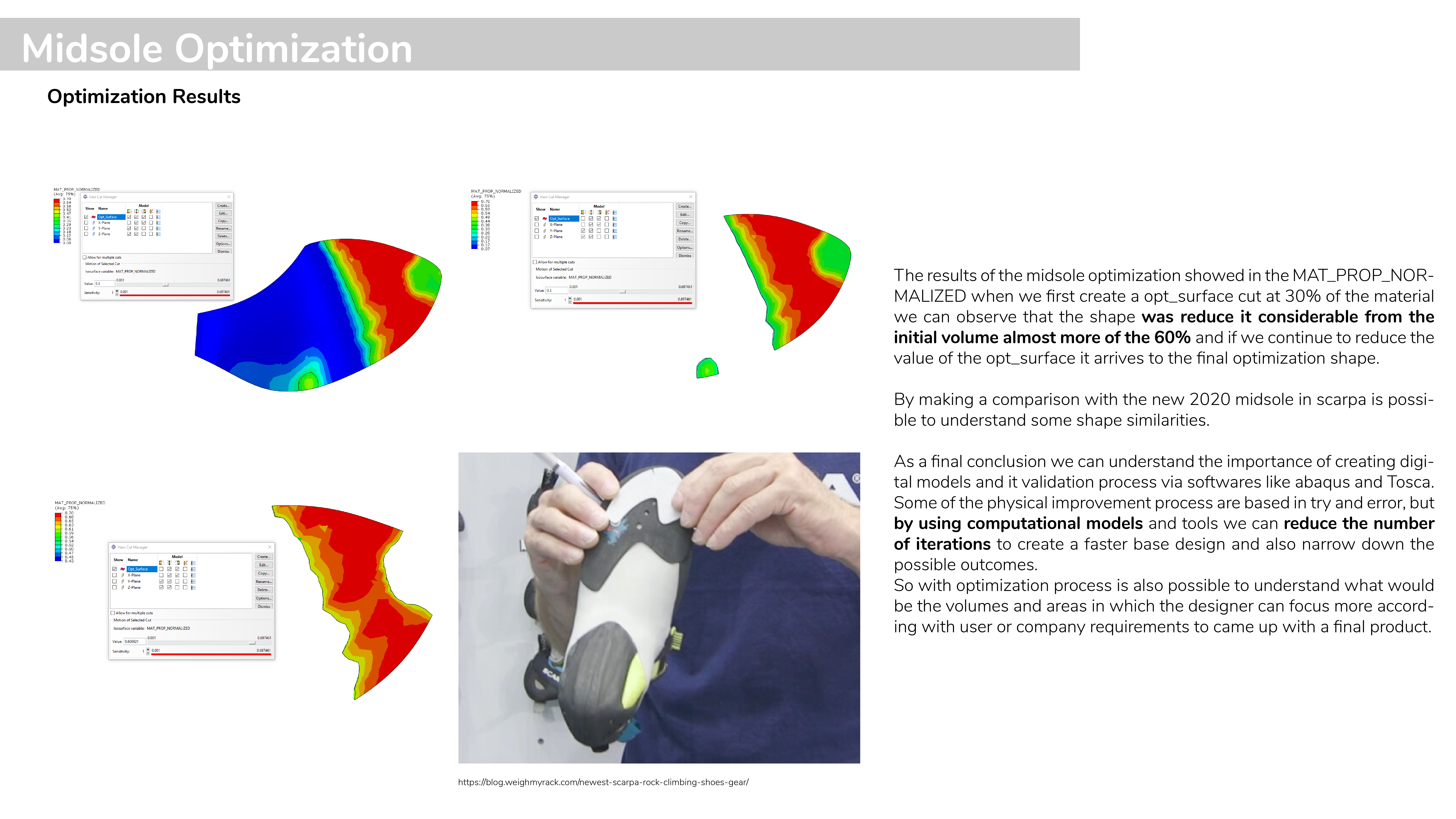
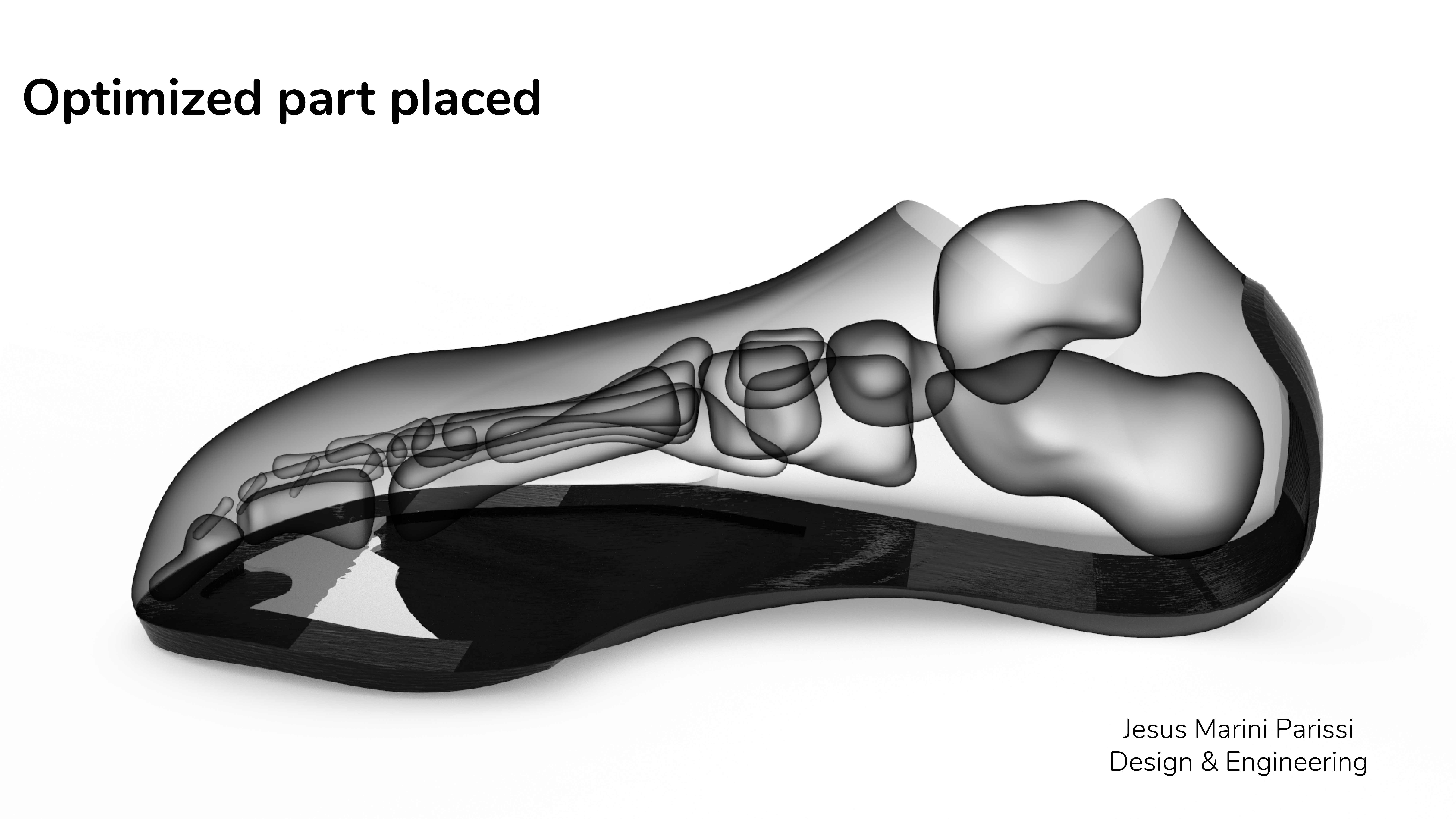
The study delivered actionable recommendations for Scarpa's future iterations, demonstrating where to reduce stiffness, how perforation patterns influence energy return, and which materials best balance comfort and control. It also produced a reusable Grasshopper definition to test additional concepts quickly.
- Identified a midsole perforation pattern that reduces peak stress by 12% while keeping edging support.
- Built a rendering + GIF library for stakeholders to compare options.
- Documented a clear handoff for manufacturing partners.